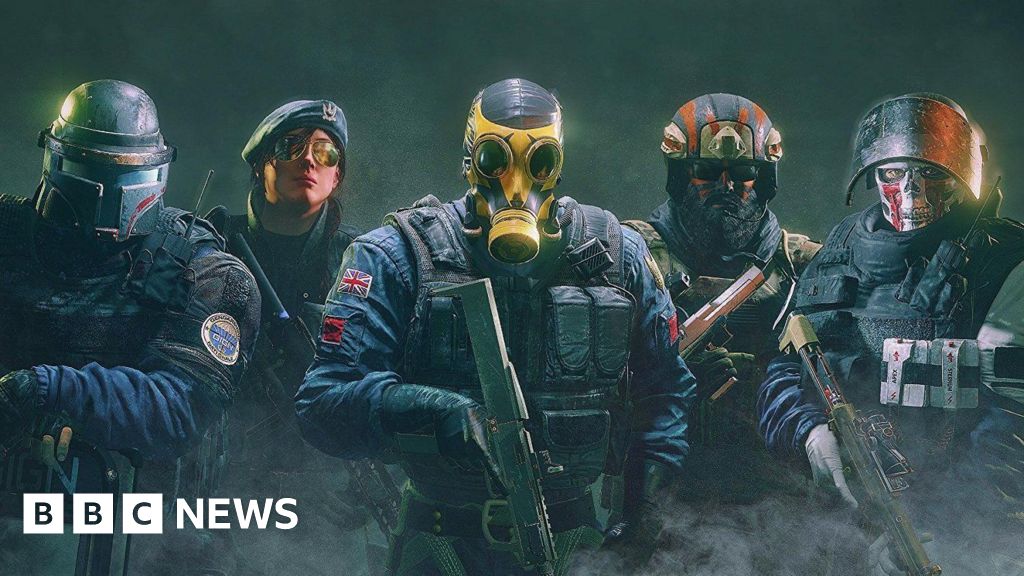
Ubisoft took Rainbow Six Siege servers offline after an apparent breach that credited players with 2 billion in-game credits each (reported as roughly $13.3m/£9.9m if bought legitimately). Service has been restored but the in-game marketplace is suspended while Ubisoft performs a rollback and a two-week investigation; the outage during the Christmas period creates near-term risk to digital purchase revenue and reputational damage, though the company has stated affected users will not be banned for spending the credited funds.
Market structure: Winners are cybersecurity vendors and cloud/backup providers (CrowdStrike CRWD, Palo Alto PANW, Check Point CHKP, ETF HACK) who should see near-term demand and sentiment bid; losers are live-service game operators with heavy marketplace dependency (Ubisoft — UBI.PA — and to a lesser extent Sony SONY) because holiday microtransaction flows can be paused and deferred. Competitive dynamics: a 1–2 week marketplace outage mostly defers revenue (pent-up demand) but a >4 week outage or confirmed backend compromise shifts pricing power toward platforms that can credibly guarantee security, accelerating customer migration to better-secured titles.
Risk assessment: Tail risks include a large personal-data breach triggering regulatory fines (~€10–100m), class actions and a multi-quarter revenue hit; operational tail would be marketplace offline >4 weeks producing an estimated €20–50m hit to Ubisoft holiday revenue (scale with market cap). Time horizons: immediate (days) — login friction and vol spikes; short-term (weeks) — revenue recognition and guidance risk around next quarter; long-term (quarters) — trust/monetization erosion and higher security capex. Hidden dependencies include third-party backend vendors, payment partners and esports sponsorship contracts; catalysts: forensic report, regulatory notices, rollback success or extended outage.
Trade implications: Direct: consider a tactical 2–3% short position in UBI.PA if outage persists >7 days or if management delays rollback beyond 14 days; alternatively buy a 30–60d put spread sized to 1–2% notional. Defensive longs: establish 2–4% positions in CRWD or HACK ETF via 3-month call spreads (buy ATM, sell 15–25% OTM) to express higher cybersecurity demand; pair: long CRWD (or PANW) and short UBI.PA to isolate sector cyber-risk repricing. Entry/exit: enter within 5 trading days, re-assess at 14-day catalyst or after quarterly guidance; trim positions if marketplace reopens within two weeks.
Contrarian angle: The market may over-penalize Ubisoft — if rollback succeeds and no PII leak is confirmed, lost holiday spend is likely recovered within 1–2 quarters; historical precedent (PSN 2011) shows operational outages produce deep but temporary drawdowns. Mispricing: only escalate short exposure if share price drops >15% or independent forensic proves data exfiltration. Unintended consequence: aggressive compensation/crediting to users could accelerate in-game spending post-reopening, producing a revenue rebound greater than the immediate hit.
AI-powered research, real-time alerts, and portfolio analytics for institutional investors.
Request DemoOverall Sentiment
moderately negative
Sentiment Score
-0.35
Ticker Sentiment
