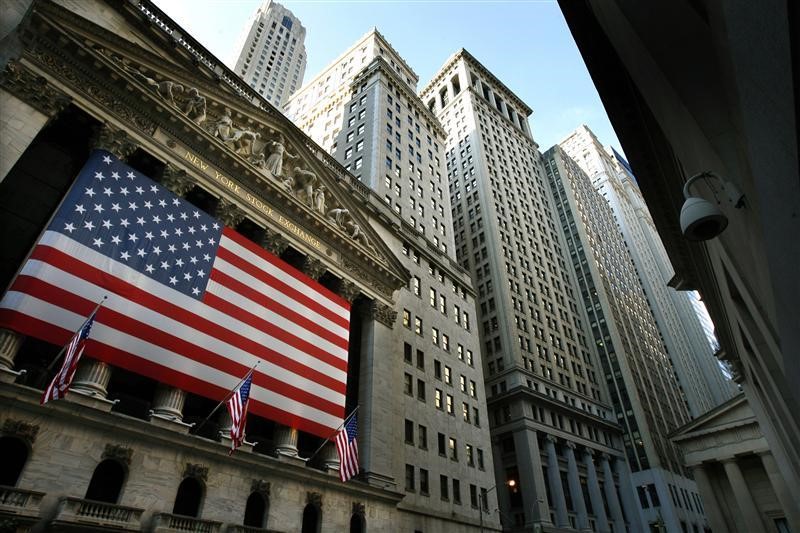
U.S. stock futures were little changed, with S&P 500 futures up 0.06%, Nasdaq 100 futures down 0.05%, and Dow futures up 0.1% as investors balanced strong recent earnings against Middle East geopolitical risk. Trump’s planned 'Project Freedom' to escort commercial vessels through the Strait of Hormuz keeps the Iran war in focus, while this week’s catalysts include earnings from Palantir, AMD, Disney, Uber, CVS, and more than 100 S&P 500 firms. Friday’s April nonfarm payrolls report will be watched for Fed rate implications amid growing inflation concerns tied to higher energy prices.
The market is treating Hormuz risk as a headline, but the investable issue is the premium it adds to delivery reliability rather than the absolute oil move. Any sustained escort regime effectively reprices marine insurance, bunker costs, and voyage timing, which flows first into rates-sensitive logistics and then into broader goods inflation with a lag of several weeks. That creates a staggered impact: shippers and import-heavy retailers absorb margin pressure before consumers see it, while defense-adjacent and domestic infrastructure names get a cleaner relative bid. The more interesting second-order effect is on the earnings setup. Companies with high revenue sensitivity to discretionary demand but low direct energy exposure—especially ad-supported internet and consumer travel—are vulnerable if the conflict extends into the next 30-60 days and forward guidance becomes more cautious. By contrast, firms tied to AI infrastructure and defense analytics can still trade well if investors keep separating secular capex from macro noise; the risk is that a rate-reset from sticky energy inflation compresses long-duration multiples across the entire high-growth complex. Nonfarm payrolls now matter less for growth than for the Fed reaction function under a geopolitically inflationary backdrop. A soft labor print would normally help duration and high-beta tech, but if it coincides with higher fuel prices, the market may read it as stagflationary rather than supportive. That means the asymmetric trade is not simply “buy dip on tech,” but “own cash-generative AI leaders and hedge the rest of the index against inflation persistence and logistics stress.”
AI-powered research, real-time alerts, and portfolio analytics for institutional investors.
Overall Sentiment
neutral
Sentiment Score
0.05
Ticker Sentiment
