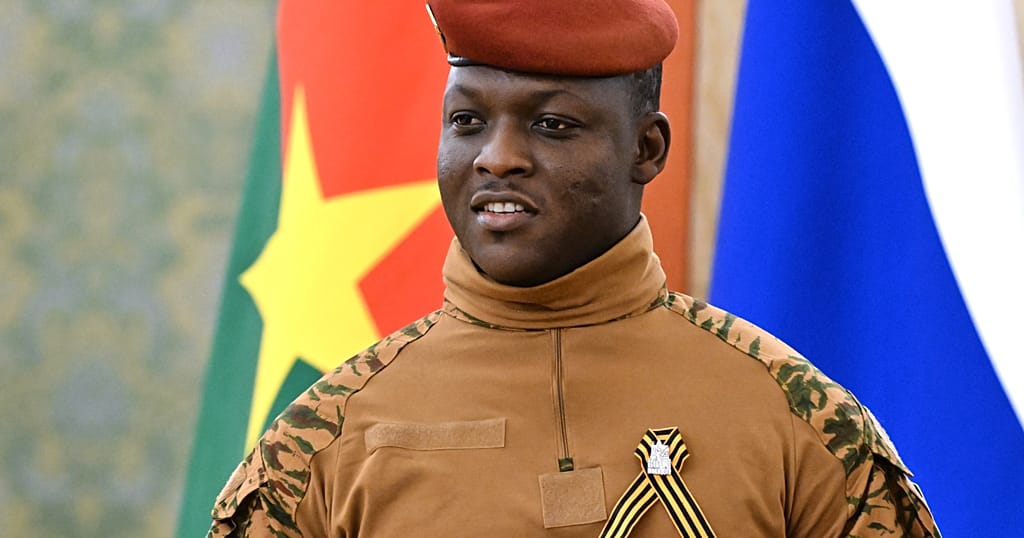
On 17 December 2025 Nigerian Foreign Minister Yusuf Maitama Tuggar travelled to Ouagadougou to deliver an official apology to Burkina Faso’s President Ibrahim Traoré after a Nigerian military aircraft violated the airspace of the Alliance of Sahel States. Abuja acknowledged documentation and authorization irregularities, sought to defuse diplomatic tensions (noting criticism from a Nigerian political party figure), and praised Burkina Faso’s counter‑terrorism gains while reaffirming plans for closer security cooperation; the aircraft occupants remain on Burkinabè soil. The episode raises localized political and security risk considerations for investors with exposure to the Sahel region but was managed through direct diplomatic engagement.
Market structure: The incident is a localized geopolitical shock that benefits defense/ISR contractors, specialty insurers/reinsurers and global safe-havens while hurting short-term frontier-market sovereign credit and logistics-dependent miners in the Sahel. Expect a modest re-pricing: war/overflight insurance premiums for West African routes could jump 15–40% near-term, sovereign 5Y spreads for Burkina Faso/Niger/Mali could widen 100–300bps if incidents recur, and regional FX (NGN/XOF) could see 5–12% downside pressure under sustained risk-off.
Risk assessment: Tail risks include cross-border military escalation or a targeted strike that disrupts mining/energy exports (low prob, high impact) which could cut regional commodity output by 5–15% over 6–12 months and push investor risk premia materially higher. Time horizons: immediate (days) for flight/insurance disruptions, short-term (weeks–months) for sovereign spread moves and FX shocks, long-term (quarters–years) for capex/contractor reallocation and elevated defense procurement.
Trade implications: Tactical winners are L3Harris (LHX) and ISR/comm equipment makers, global reinsurers (RNR) and gold/GLD/GDX as hedge; losers are EM frontier bond ETFs and funds with >5% West African exposure (trim/hedge). Options: use 3-month call spreads on LHX/RTX to capture asymmetric upside with capped cost; buy GLD on 0–3% pullback.
Contrarian: Markets likely underprice recurring low‑level incidents that raise structural insurance and contractor revenue over 12–24 months — a 1–3% permanent revenue tail for niche ISR providers is plausible if AES tensions persist. Conversely, if diplomatic de‑escalation occurs (apology + cooperation), defense/insurance rallies could be short-lived — size positions small and use strict stops.
AI-powered research, real-time alerts, and portfolio analytics for institutional investors.
Request DemoOverall Sentiment
neutral
Sentiment Score
0.00
