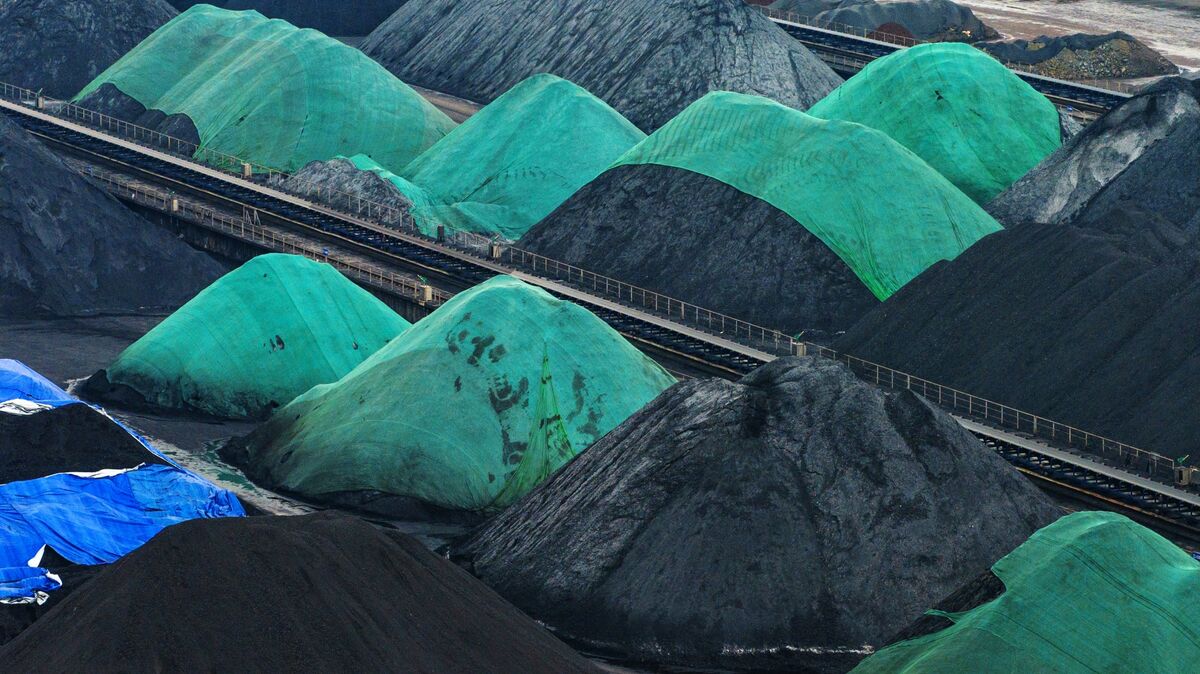
Cheap Chinese coal prices, expected to remain subdued through 2025 after briefly peaking at 700 yuan in August, are enabling record output and complicating the government's efforts to meet critical climate targets. This sustained affordability makes it difficult to reduce consumption, posing a significant challenge to China's energy transition strategy.
The Chinese domestic coal market is exhibiting signs of significant price weakness, which is expected to persist through 2025. Prices, which saw a brief seasonal peak above 700 yuan ($98) per ton in August, have since declined and are projected to remain subdued. This low-price environment is directly contributing to record-high coal production within China. The sustained affordability and availability of coal present a material headwind to the Chinese government's climate policy, complicating its mission to reduce consumption and meet critical 2025 targets. This dynamic in the world's largest coal-consuming nation suggests a bearish outlook for the commodity, a sentiment reflected in the negative rating for the Range Global Coal Index ETF (COAL), as depressed local prices may limit the upside for global benchmarks.
AI-powered research, real-time alerts, and portfolio analytics for institutional investors.
Request DemoOverall Sentiment
moderately negative
Sentiment Score
-0.40
Ticker Sentiment
