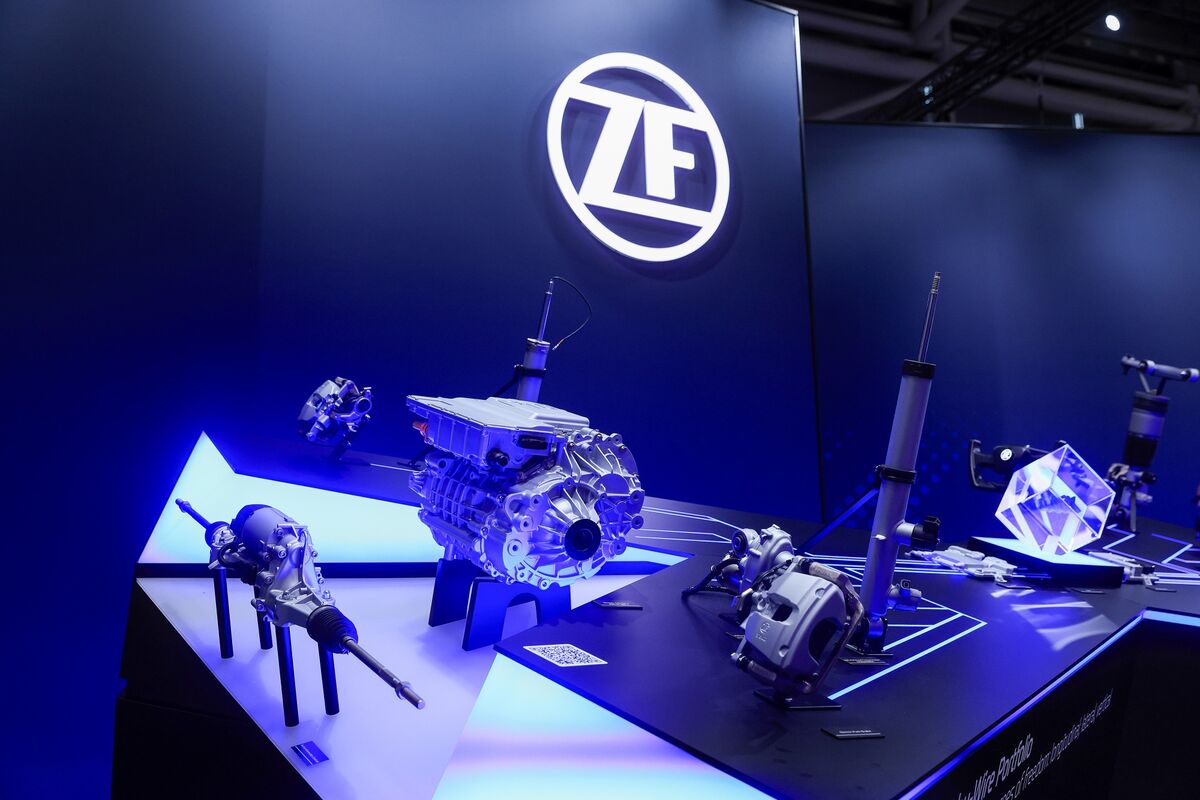
German auto-parts maker ZF Friedrichshafen AG has upsized its planned bond sale by $500 million to $1.25 billion, with its US entity ZF North America Capital Inc marketing 5.5-year bonds at an approximate yield of 7.625%. This significant increase underscores robust investor demand for credit, even amidst prevailing pressures within the broader automotive sector.
German auto-parts manufacturer ZF Friedrichshafen AG's ability to upsize its planned bond sale by $500 million to a total of $1.25 billion signals robust investor appetite for its credit. The offering, issued via its US-based entity ZF North America Capital Inc., demonstrates that despite acknowledged pressures on the global automotive sector, capital markets remain accessible for key industry players. However, the indicative yield of approximately 7.625% for the 5.5-year notes is significant, reflecting the risk premium investors are demanding to take on exposure to the auto supply chain. This transaction serves as a key barometer for credit conditions within the sector, showcasing a market willing to provide substantial liquidity but at a price that compensates for underlying cyclical and structural headwinds.
AI-powered research, real-time alerts, and portfolio analytics for institutional investors.
Request DemoOverall Sentiment
moderately positive
Sentiment Score
0.50
