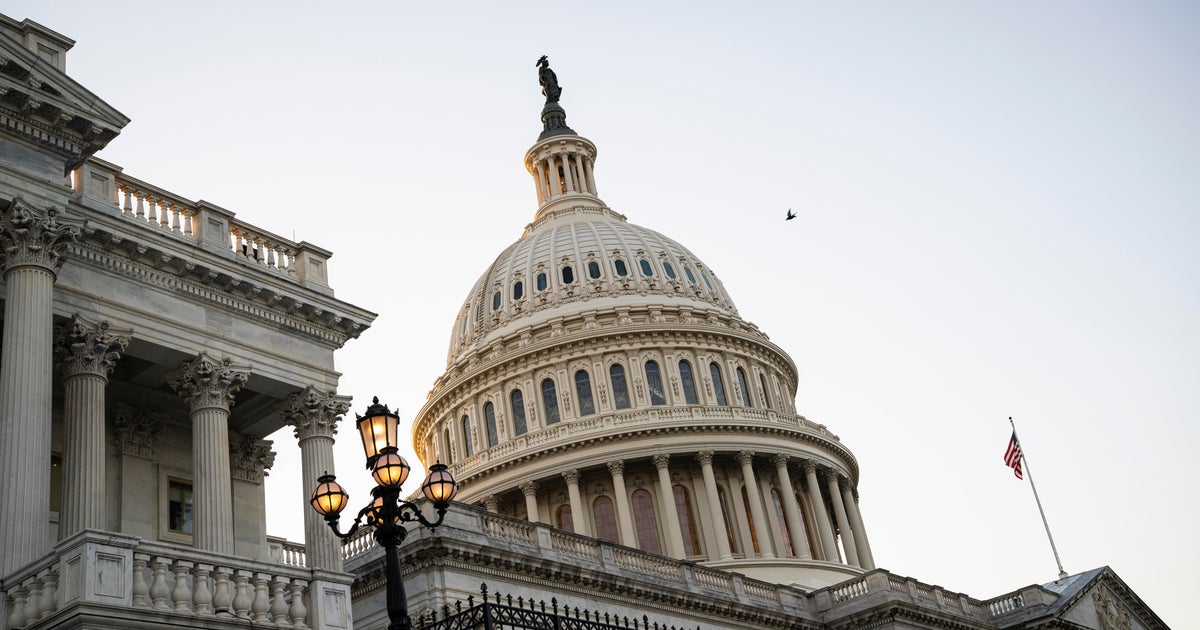
The Senate unanimously adopted a resolution to withhold senators' pay during any federal shutdown, with the measure taking effect after November's election due to constitutional limits. The move is a symbolic response to recent 43-day and 76-day shutdowns and reflects ongoing budget stalemates in Congress. Market impact is limited because the resolution applies only to Senate pay and does not change broader fiscal policy or shutdown risk.
This is less about direct market impact than about incentive design around future shutdowns. The immediate effect is reputational: lawmakers now internalize a visible cost, which marginally raises the expected political price of brinkmanship and may reduce the probability of a last-minute funding lapse around key budget deadlines. The larger second-order effect is on the shutdown trade itself: if investors believe this nudges Congress toward cleaner temporary funding extensions, the downside tail for defense, airlines, contractors, and federal-payroll-adjacent consumer names becomes slightly less severe over the next 3-6 months. The key market nuance is that this does not materially change the economic damage from an actual shutdown, because the real transmission channel is delayed federal payments, vendor delays, and confidence shock—not legislators’ salaries. So any near-term risk premium in sectors exposed to Washington dysfunction should remain driven by the probability and duration of a funding lapse, not this symbolic reform. In other words, it is a modest stabilizer for political volatility, not a change in fiscal policy capacity. Contrarian read: the measure could perversely harden negotiating positions if some senators conclude they’ve already signaled toughness without conceding on substance. That means the biggest risk is not reduced shutdown probability, but a sharper binary outcome if talks fail—shorter pre-deadline volatility, then a more violent repricing if a deadline is actually breached. Over the next 1-2 funding cycles, the market should treat this as noise unless it coincides with a broader procedural reform package that makes continuing resolutions more likely than shutdowns.
AI-powered research, real-time alerts, and portfolio analytics for institutional investors.
Request DemoOverall Sentiment
neutral
Sentiment Score
-0.05
