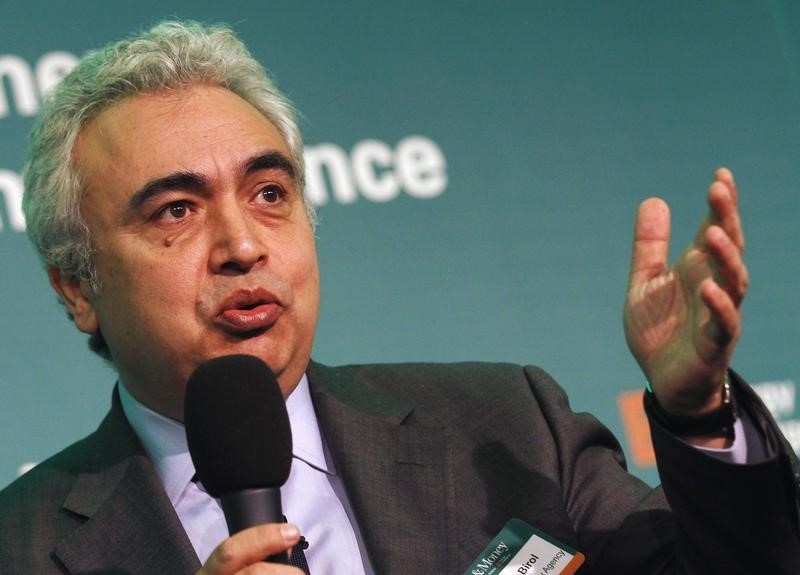
About 20% of global oil and gas normally transits the Strait of Hormuz; Brent was $110.01 (+0.2%) and WTI $112.75 (+0.3%) as of 08:41 GMT amid Iran's near-total blockade. IEA head Fatih Birol called the disruption larger than the 1973, 1979 and 2022 crises combined, the U.S. has threatened strikes and IEA members are releasing strategic reserves. Basra/Oil officials say Iraq could restore exports to pre-war levels within a week if Hormuz reopens, but developing countries face surging energy and food prices and an acceleration in inflation.
Liquidity and market structure have gone from a calendar-driven story to a volatility and logistics story: front-month crude implied volatility and tanker charter rates now dominate P&L outcomes for short horizons while term prices set capex and hedging behavior for producers over quarters. Insurance and rerouting costs are acting like a hidden tax — expect voyage distances to rise by 10-25% on many Middle East-Asia lanes, which mechanically tightens deliverable crude and raises effective landed fuel costs beyond headline price moves.
Refining and petrochemical margins will see asymmetric pain: lightly hedged, high-throughput refineries with tight crude/diesel balance (NW Europe, India) face margin compression sooner than integrated producers because feedstock and product logistics decouple. Agricultural commodity spreads (urea/ammonia, vegetable oils) are the next transmission channel for food inflation and fiscal stress in import-dependent emerging markets; watch import cover metrics and fertilizer order books for 6–12 week lead indicators.
Catalysts that re-rate the market are concentrated and fast: a diplomatic corridor or unilateral infrastructure strike could flip pricing within days; coordinated SPR releases, OPEC+ production tweaks, or refinery turnarounds will determine whether the shock is transitory (weeks) or structural (months). Policy intervention risk is concentrated above psychological thresholds — expect escalating political responses once oil sustains 10–15% moves from current levels.
The consensus has priced a long-duration supply impairment; that overweights producers and underweights convexity plays (tankers, options on volatility) and demand elasticity. Tactical opportunities favor convex long-volatility and short-tail-risk plays that capture snap-backs, while multi-month positions should prefer low-cost production exposure over long-duration capex stories that assume sustained high prices.
AI-powered research, real-time alerts, and portfolio analytics for institutional investors.
Request DemoOverall Sentiment
strongly negative
Sentiment Score
-0.65
