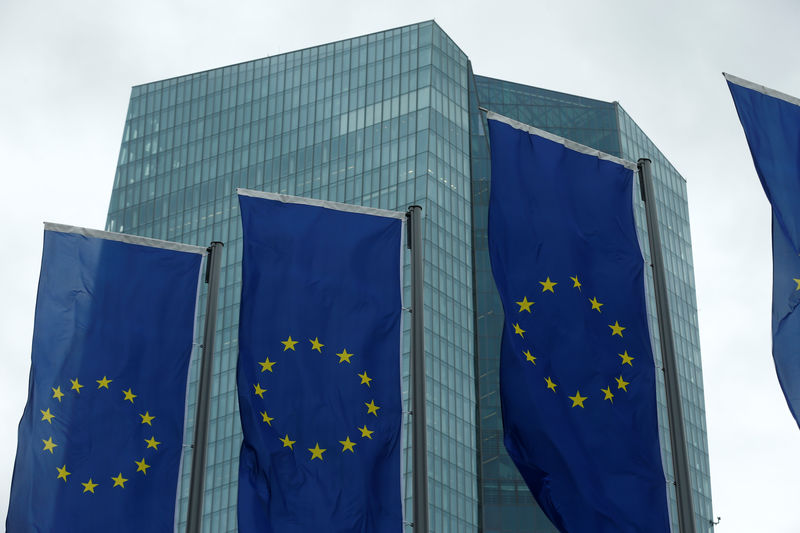
Research from the European Central Bank indicates that the European Union's trade profile has increasingly shifted towards less democratic countries since 1999, despite the bloc's stated commitment to human rights and high labor standards. This trend raises significant concerns regarding geopolitical stability, as trade with autocratic regimes can fund militaristic agendas, and creates a dilemma for the EU's green energy transition given the reliance on such nations for critical materials like rare earths. While the democratic profile of EU trade improved significantly following sanctions on Russia post-2022, analysts emphasize that greater attention to trade partners is crucial for upholding EU principles and ensuring economic policy aligns with supply chain security amidst intensifying global geopolitical risks.
Research from European Central Bank analysts highlights a significant structural risk within the European Union's trade policy. Over the past 25 years, and particularly since 2012, the bloc's import dependencies have increasingly shifted towards autocratic regimes, a trend that directly contradicts its stated commitments to human rights and sustainable trade. This pivot creates a dual threat: it presents a geopolitical risk by potentially financing governments with militaristic agendas, which the researchers term a potential "existential challenge to the EU," and it introduces a critical dilemma for the region's green energy transition. The reliance on these nations for rare earth materials essential for low-carbon technologies places the EU's climate goals in direct conflict with its values, potentially exacerbating human rights issues. While the democratic profile of EU trade showed a "significant" improvement following sanctions on Russia in 2022, this event underscores the pre-existing vulnerability. The core finding is that securing supply chains and upholding EU principles necessitates a more deliberate focus on the democratic credentials of trade partners, a crucial factor amid heightened global geopolitical instability.
AI-powered research, real-time alerts, and portfolio analytics for institutional investors.
Overall Sentiment
moderately negative
Sentiment Score
-0.50
Ticker Sentiment
