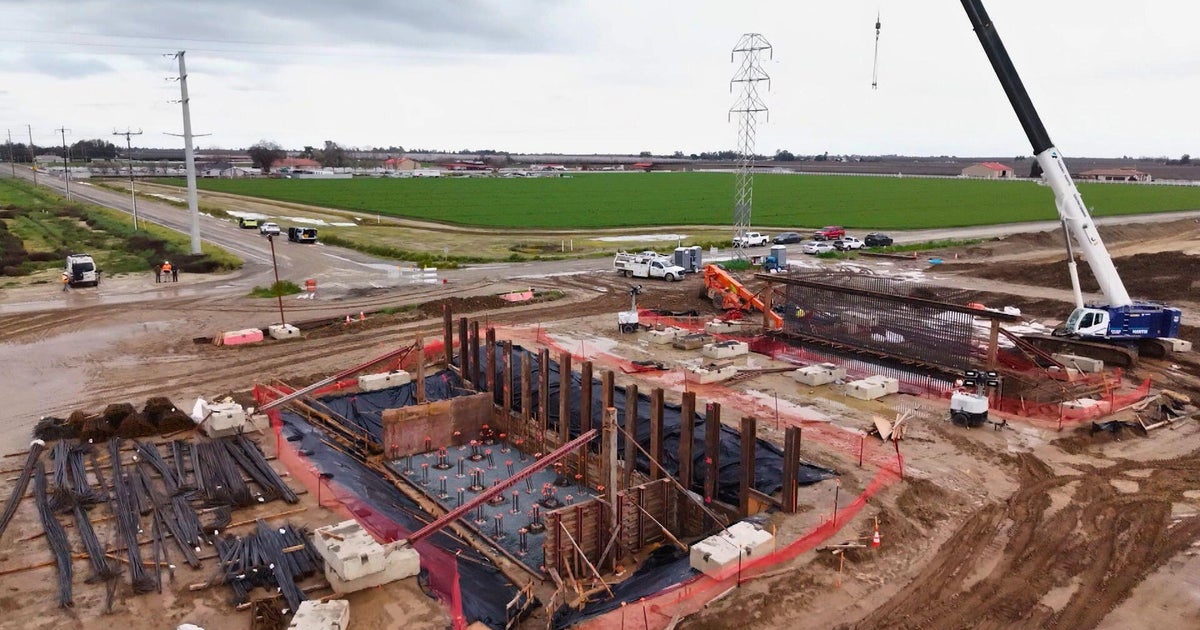
The California high-speed rail estimate has surged to about $126 billion (from a $33 billion 2008 estimate) and the Authority now plans to build an initial Central Valley segment by 2033 after the federal government rescinded $4 billion in grants. The project faces ~3,000 right-of-way negotiations, multi-year environmental reviews, high U.S. construction costs and insufficient state financing, making full L.A.–San Francisco completion unlikely without major federal support. Private operator Brightline aims for a 200 mph L.A.–Las Vegas line with service targeted in late 2029, but its Florida operations have underperformed and debt has been downgraded, casting doubt on private-sector replication and implying sector-level risks for contractors and transport investors.
The headline risk is less about engineering and more about finance and politics: patchwork, stop-start funding profiles amplify scope creep and transfer execution risk from contractors to balance sheets. Expect contractors with fixed‑price contracts or concentrated exposure to long-duration rail projects to see margin compressions and slower cash conversion, while diversified heavy‑civil names can reprice higher as states pivot to highway‑centric solutions that are easier to fund and permit.
Right‑of‑way and regulatory friction creates a moat for projects that can avoid dense urban land battles — corridors that leverage existing highway medians or greenfield desert alignments materially reduce schedule risk and litigation beta. That dynamic favors private concession models and toll/highway operators who can structure user‑fee economics, but it also concentrates refinancing and sovereign backing risk into a smaller set of projects — amplifying single‑project idiosyncratic credit risk.
Downstream, persistent doubts about federal support are a positive for short‑haul airlines and long‑distance bus/ferry operators whose pricing power improves if rail remains underbuilt; conversely, rolling stock manufacturers and rail‑car lessors face a multi‑year demand cliff unless new federal commitments arrive. The clean contrarian: if one corridor completes on time and under budget, equipment OEMs and concessionaires will re‑rate quickly — a binary catalyst with >2x share moves possible within 6–18 months.
AI-powered research, real-time alerts, and portfolio analytics for institutional investors.
Request DemoOverall Sentiment
strongly negative
Sentiment Score
-0.55
