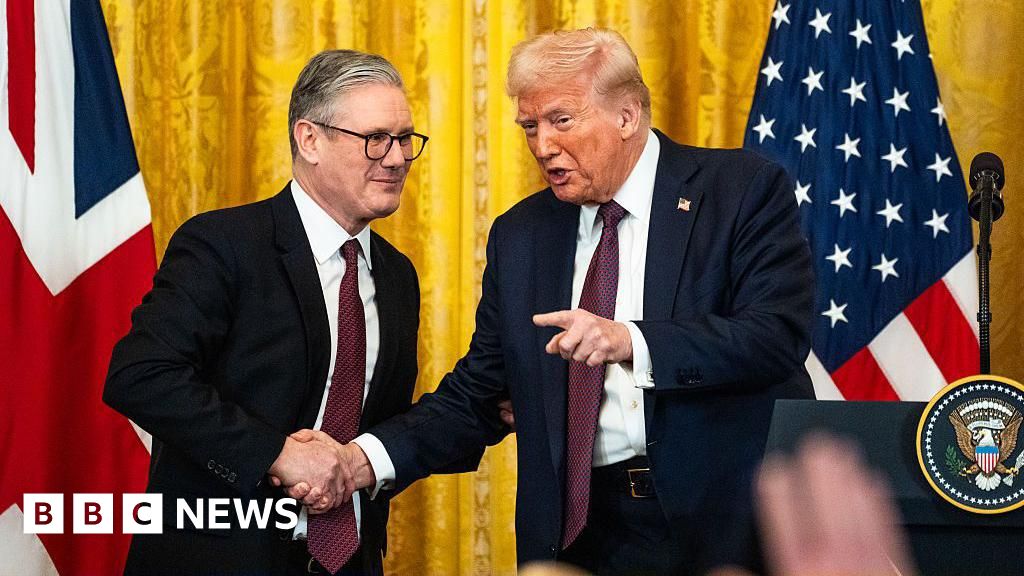
The UK has been temporarily exempted from the increase in US steel and aluminum tariffs, remaining at 25% while other countries face a 50% levy, following a US executive order. This exemption is contingent on the UK complying with the US-UK Economic Prosperity Deal (EPD) signed in May 2025, which aims to eliminate these tariffs, but the US could raise the tariff on the UK on or after July 9 2025 if it determines that the United Kingdom has not complied with relevant aspects of the EPD. While this provides temporary relief to UK steel exporters, uncertainty remains as the agreed-upon deal to completely remove tariffs has not yet been implemented, impacting business confidence and forward planning.
The United Kingdom has received a temporary reprieve from the United States' recent executive order, which doubles steel and aluminium tariffs to 50% for many countries; the levy on UK imports will remain at 25% following the order effective from June 4, 2025. This preferential treatment is explicitly linked to the US-UK Economic Prosperity Deal (EPD) signed on May 8, 2025, a deal intended to eventually eliminate these tariffs but which is not yet in force. Significant uncertainty persists, as the US administration, under President Trump, reserves the right to escalate tariffs on UK imports to 50% on or after July 9, 2025, should it determine the UK has not complied with relevant aspects of the EPD. This situation directly impacts the UK steel industry, for which the US market represents approximately 7% of exports, valued at over £400 million, and has drawn criticism from UK political figures such as the Shadow Business Secretary, who accused the Labour government of leaving businesses in limbo. While industry body UK Steel expressed temporary relief from the immediate 50% tariff threat, the overarching sentiment, echoed by business leaders like Rowan Crozier of metal-stamping firm Brandauer, is one of 'far reaching' uncertainty that impedes forward planning and customer confidence, even as some specialist manufacturers' US customers currently absorb the tariff costs. Economists such as Alan Auerbach note that while President Trump's tariff policies aim to boost US manufacturing, the prevailing uncertainty may actually undercut this goal and lead to higher short-term costs for US buyers.
AI-powered research, real-time alerts, and portfolio analytics for institutional investors.
Request DemoOverall Sentiment
mixed
Sentiment Score
0.00
