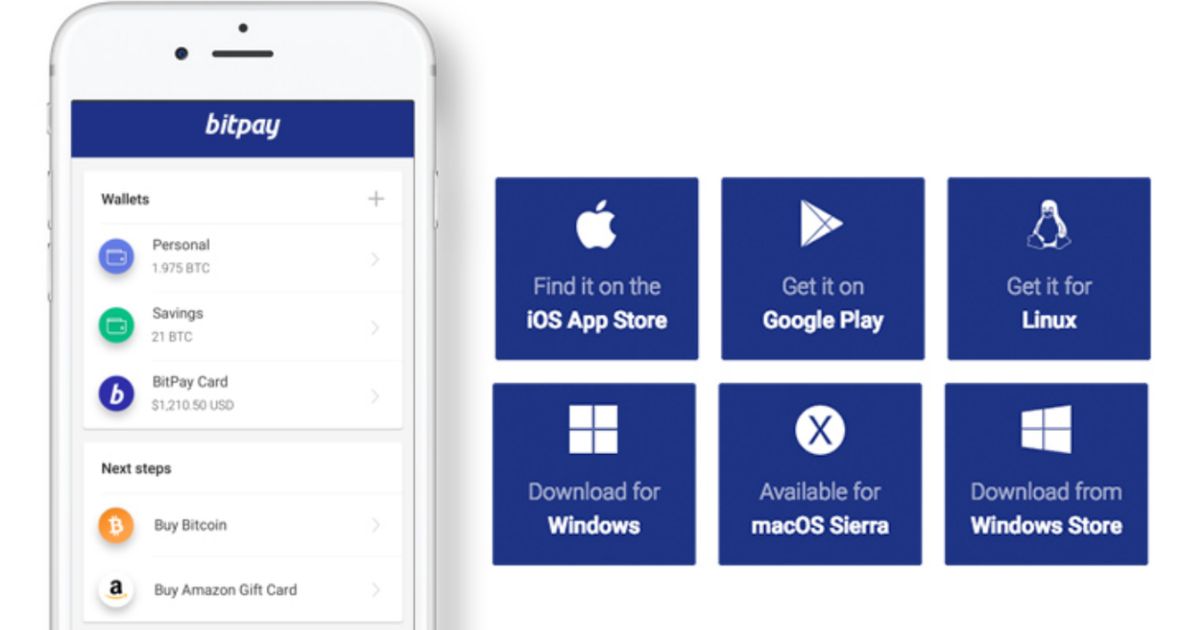
Nextech3D.ai completed BitPay integration across its KraftyLab, Map D and Eventdex event platforms, enabling settlement in more than 100 digital assets and strengthening its Phase 2 Blockchain Suite. The company migrated backend services to AWS containers with a standalone database—projected to improve resource efficiency by up to 80%—implemented unified smart contract deployment, and added ERC721/ERC1155 support to consolidate ticketing and collectibles management. Management is pursuing further blockchain features in Q1, including configurable royalty-splitting and custodial resale functionality, positioning the firm to scale enterprise ticketing offerings in 2026.
Market structure: Nextech3D.ai (OTCQX:NEXCF) and BitPay are near-term winners—enterprise event organizers and creators gain lower settlement costs and programmable ticketing (ERC721/1155) which can compress incumbent ticketing take-rates by 200–500bps over years if adoption reaches even 5–10% of large events. AWS benefits from infrastructure migration (higher availability/containers), while legacy, high-fee ticket platforms (e.g., Live Nation, Eventbrite) face pricing pressure on secondary fees and service differentiation. Cross-asset: direct bond/commodity impact is negligible; small positive beta to BTC/ETH via settlement demand could marginally raise crypto volumes and FX conversion flows for USD-pegged stablecoins.
Risk assessment: key tail risks are regulatory crackdowns (US/EU AML/stablecoin rules) that could curtail merchant crypto settlements, critical smart contract exploits or custody failures, and vendor concentration on BitPay/AWS; any one could wipe >50% of expected incremental revenues. Timeframe: immediate market reaction likely muted (days); expect measurable commercial traction or reversals in 1–3 months (pilot deals), with material margin lift only visible across 2–4 quarters. Hidden dependencies include BitPay uptime/fees and enterprise readiness to accept non-fiat settlement; catalysts: announced paid enterprise contracts, Q1 royalty/custodial feature releases, or adverse regulatory guidance.
Trade implications: tactically favor small, concentrated exposure to NEXCF as a high-risk growth/technology call while hedging regulatory and crypto volatility—expect binary outcomes where successful enterprise rollouts could drive >100–200% upside over 12 months but failures can cut value >50%. Use relative-value to short slower-adopting incumbents (Eventbrite EB or specific ticketing-subsegments) to isolate blockchain-adoption alpha. Options: express asymmetric upside with long-dated call spreads on larger, liquid fintechs that will capture blockchain payments volume if you cannot trade NEXCF options; allocate 0.5–1% to BTC/ETH as a settlement-rail proxy.
Contrarian angles: consensus highlights product progress but understates commercial friction—enterprise buyers resist new rails without custodial simplicity and clear SLAs, so revenue conversion rates may be <10% of pilot volumes for 6–12 months. The market may underprice dependency risk on BitPay/AWS and regulatory uncertainty; historical parallels (early mobile ticketing adoption) show multi-year transitions with winners only after network effects and liquidity in secondary markets. Unintended consequences include increased chargeback/dispute exposure and regulatory scrutiny of royalty-splitting mechanisms that could limit secondary-market monetization.
AI-powered research, real-time alerts, and portfolio analytics for institutional investors.
Request DemoOverall Sentiment
mildly positive
Sentiment Score
0.34
Ticker Sentiment
