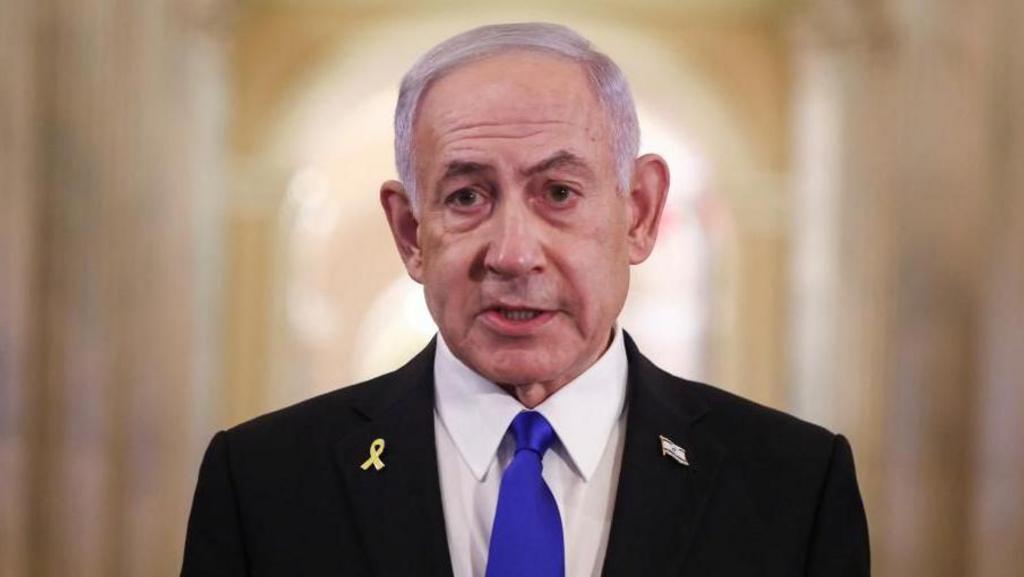
Israeli Prime Minister Netanyahu is expected to deliver an impassioned Zionist address to world leaders, defending Israel's actions in Gaza and criticizing allies who have recognized Palestinian statehood, which he views as rewarding terrorism. Despite growing international isolation, his speech will primarily target his electoral base. He is also anticipated to show openness to President Trump's post-war proposals after Israel's conditions are met, having already been briefed on the White House's 21-point plan, reportedly shaped by his aide Ron Dermer.
Israeli Prime Minister Netanyahu's upcoming address appears to be a strategic exercise in balancing domestic political needs against increasing international pressure. The speech is expected to adopt a 'pugilistic' style, primarily targeting his electoral base by defending military actions in Gaza and criticizing allies like France for recognizing Palestinian statehood, a move he frames as rewarding terrorism. This rhetoric, as noted by the Israeli newspaper Yedioth Ahronoth, is designed to consolidate domestic support amidst growing isolation. However, a crucial counter-narrative exists in his anticipated openness to a US-led post-war framework. Reports indicate Netanyahu has been briefed on a '21-point plan' developed in coordination with US envoys and his own aide, Ron Dermer. This suggests that while public-facing statements may be confrontational, parallel diplomatic channels are being pursued, signaling a potential, albeit conditional, path toward de-escalation heavily reliant on the US administration's proposals. The situation remains fluid, characterized by a significant divergence between aggressive public posturing and private diplomatic engagement.
AI-powered research, real-time alerts, and portfolio analytics for institutional investors.
Request DemoOverall Sentiment
neutral
Sentiment Score
0.00
