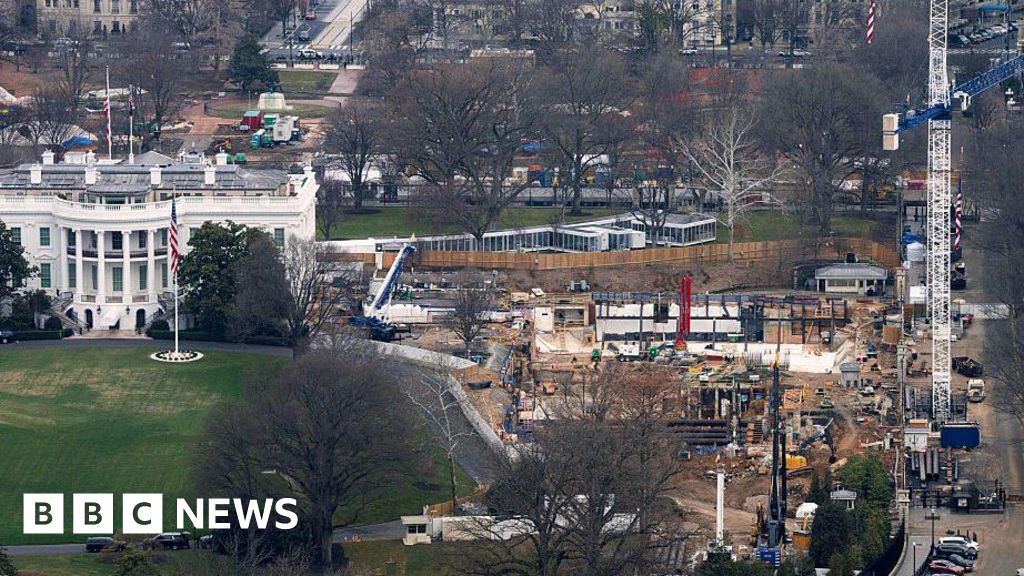
A US judge (Richard Leon) has temporarily halted construction of President Trump's planned White House ballroom; the injunction takes effect in 14 days, allowing for a possible appeal. The National Trust for Historic Preservation sued, alleging the administration failed to file plans with the National Capital Planning Commission, did not seek an environmental assessment, and lacked congressional authorization; the judge said the President lacks the claimed statutory authority. The project is estimated to cost $400m and is said to be privately funded; the blueprint has grown from a 500-person ballroom to capacity for 1,350 guests, and the East Wing was demolished in October.
This judicial restraint on executive authority creates a durable administrative-cost shock to any federally owned-property workstream that previously relied on internal approvals. Expect procurement and permitting timelines for federal-adjacent projects to lengthen by 3–9 months on average as agencies re-run NCPC/NEPA-style signoffs and counsel demand congressional preclearance in close cases. That timing compresses near-term revenue recognition for small, specialized contractors and shifts value toward firms with deep compliance practices and backlog buffers.
A secondary effect will be on the private-donor funding model for politically adjacent infrastructure: donors and platforms will likely insist on escrow, indemnities, or expanded reputational-damage clauses, reducing upfront cash flows for project sponsors and raising working-capital needs by an estimated 10–20% on comparable builds. Lenders and insurers will push for more conservative draws and additional covenants, creating a brief window where balance-sheet strength matters more than price. Expect environmental/heritage consultants and federal permitting boutiques to see higher demand and better pricing power over the next 6–18 months.
Politically, the ruling raises the probability that Congress reasserts oversight via statute for high-profile work — a binary catalyst that could either normalize a backlog (if Congress codifies exceptions) or extend paralysis (if it doesn’t). Appellate timelines mean the market can expect volatility in the near term (weeks–months) with resolution risk stretching into election cycles (6–24 months). Monitor filings, congressional inquiries, and donor escrow disclosures as high-information catalysts.
For investors, prioritize large-cap engineering/consulting firms with federal compliance capabilities and good balance sheets; avoid small-cap specialty contractors reliant on single political patrons. Use option structures to express views while capping downside during the legal appeal window and size exposures to 1–2% of portfolio per idea given policy and reputational tail risk.
AI-powered research, real-time alerts, and portfolio analytics for institutional investors.
Request DemoOverall Sentiment
mildly negative
Sentiment Score
-0.20
