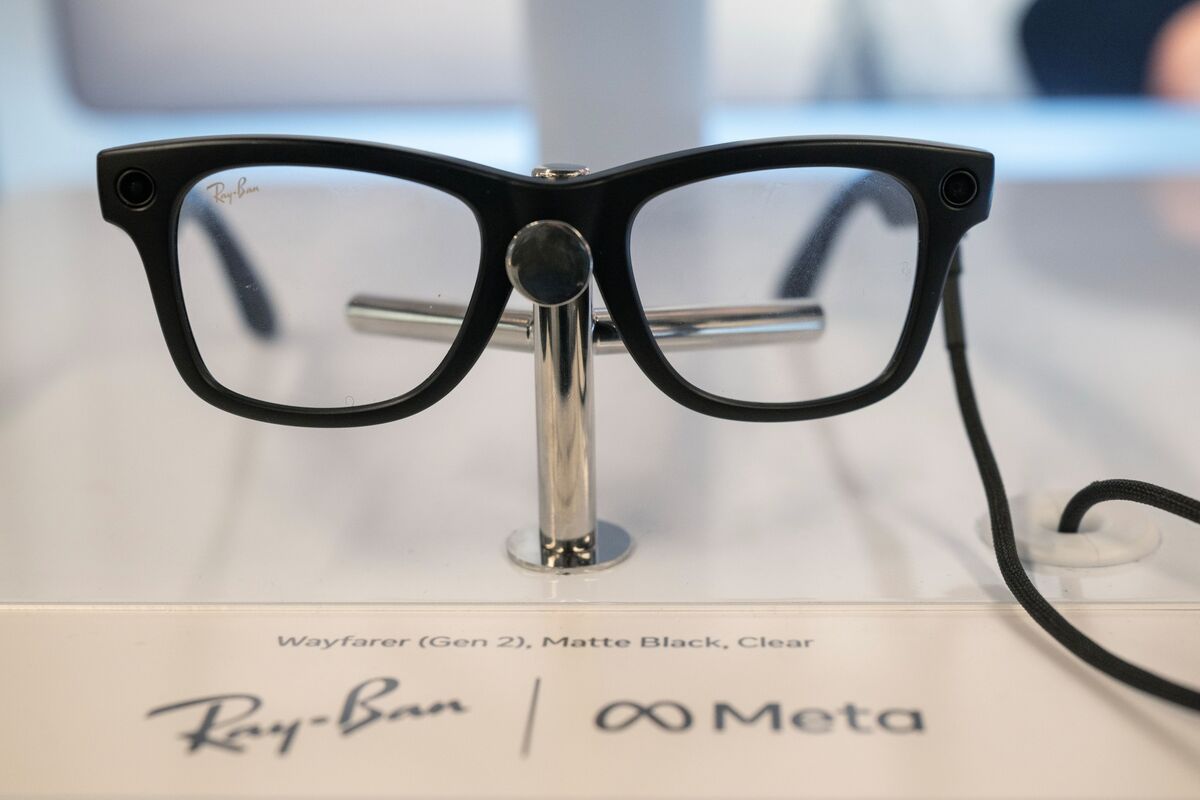
Meta will debut two new Ray-Ban smart glasses next week specifically designed for prescription wearers in partnership with EssilorLuxottica, the first time the product is tailored to that cohort. The launch could modestly expand Meta's addressable market in wearables but is unlikely to have a material near-term impact on the stock; monitor adoption, pricing and distribution for potential revenue upside.
This product move tightens Meta’s hardware-to-platform feedback loop in a subtle way: prescription wearers represent a higher-frequency, higher-utility cohort (wearing glasses daily vs occasional sunglasses), which increases daily active hardware usage and accelerates data capture for optics, AR calibration and contextual ad targeting. That raises the marginal long-term value of each incremental device beyond the hardware margin — think sticky engagement that converts to higher AR UX testing velocity and potentially higher monetizable inventory in 12–36 months.
Near-term winners are not just Meta but parts of the optical supply chain — specialty lens labs, prescription frame tooling, and distribution partners — which will see an upshift in variable demand and shorter lead times; losers are pure-play fashion eyewear brands with lower tech moats who cannot monetize software layers. Competitive dynamics favor firms that can bundle optical Rx services with digital services (eye exams, AR try-ons), creating vertical capture that is hard to replicate cheaply.
Key risks and catalysts: day-of launch PR and user reviews will drive a volatility spike in the next 7–30 days; retail sell-through and return rates over the following 3 months will determine whether this is product-market fit or a niche pilot. Regulatory/privacy headlines or a high return rate ( >15% in first 90 days) would be immediate negatives; conversely, a 6–12 month pattern of steady daily active use and third-party developer adoption would materially de-risk the multi-year AR monetization case. Time horizon: think PR/volatility (days–weeks), sell-through and margins (months), platform monetization (1–3 years).
AI-powered research, real-time alerts, and portfolio analytics for institutional investors.
Overall Sentiment
neutral
Sentiment Score
0.05
Ticker Sentiment
