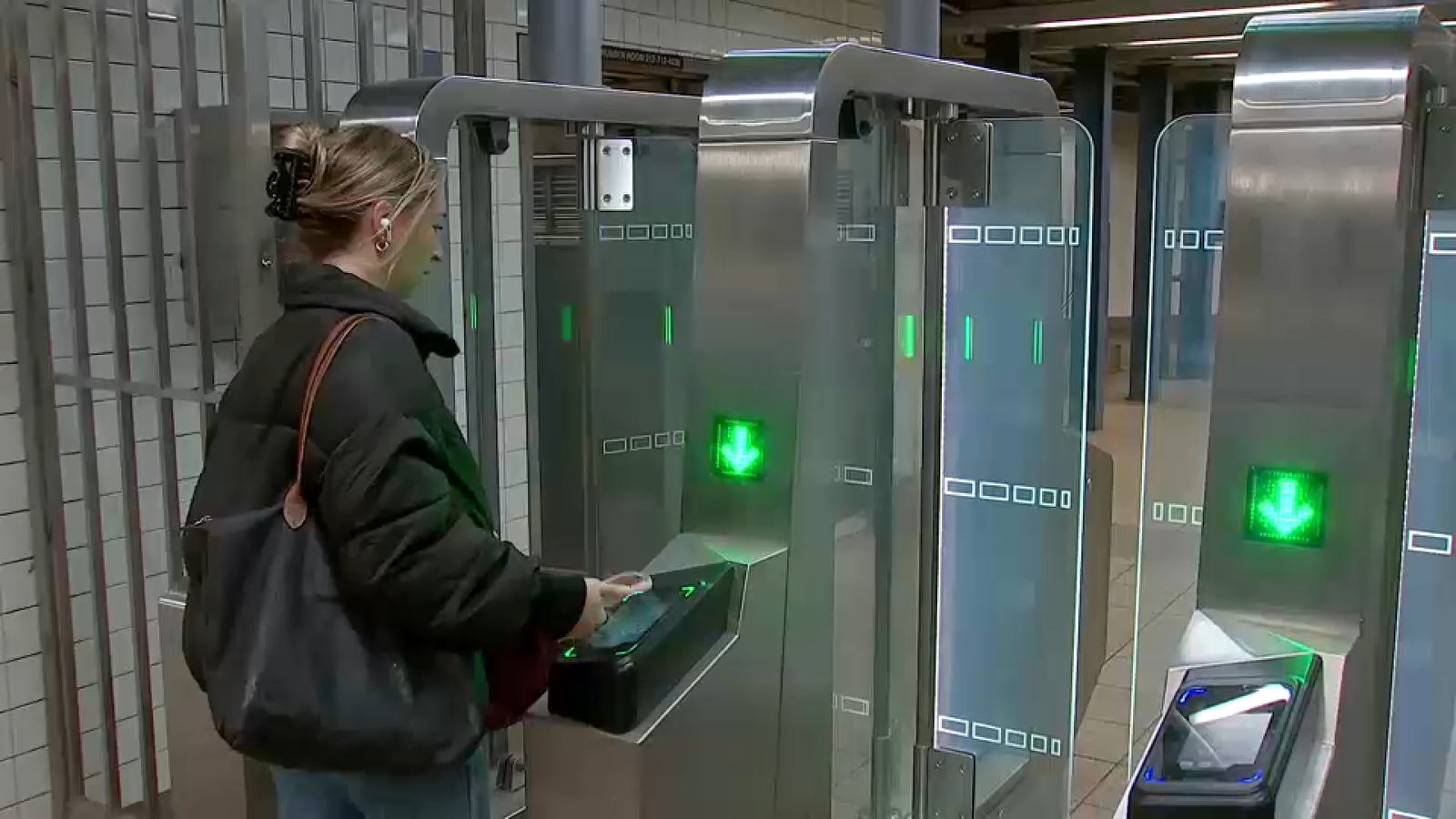
The MTA has begun installing AI-enabled smart fare gates at Broadway–Lafayette and Third Avenue–138th Street as part of a pilot to replace traditional turnstiles and curb widespread fare evasion (reported at over 300 incidents per minute last year). More than $1 billion has been allocated for installation, with gates rolling out to 20 stations in the near term and a target of 150 stations ultimately; the units include sensors for accessibility but face user skepticism about hacks and questions about alternative uses of funds. The initiative is operationally focused — intended to reduce revenue leakage and improve accessibility — and is unlikely to be materially market-moving for investors beyond suppliers or infrastructure contractors involved in deployment.
Market structure: Winners are edge-AI machine-vision and access-control vendors plus cybersecurity/integration services — think NVDA (AI inference edge), CGNX (machine vision), AMBA (vision SoCs), ALLE (access hardware) and PANW/CRWD for network protection. Losers are legacy mechanical turnstile manufacturers and municipal operators facing near-term capex overruns; $1bn allocated implies ~150-station rollouts over 2–4 years, creating multi-year aftermarket service and software revenue but concentrated procurement windows.
Risk assessment: Low‑probability/high‑impact tails include a high‑visibility hack or ADA litigation that halts rollouts (could wipe 30–50% of near‑term expected revenue for suppliers) or political reallocation of funds to fare subsidies. Immediate (days): no market move; short (3–12 months): vendor RFPs and pilot KPIs; long (1–3 years): sustained replacement/recurring maintenance revenue. Hidden dependency: integration with contactless payment vendors and transit back‑end systems — vendors without those partnerships face implementation risk.
Trade implications: Direct plays: overweight machine‑vision/edge‑AI names and cybersecurity integrators; buy 6–12 month call spreads to limit capital. Pair trade: long CGNX (or AMBA) vs short small-cap legacy industrials (mechanical access) to capture tech substitution. Rotate into infrastructure ETF exposure (PAVE) to capture broader municipal capex if more city programs follow.
Contrarian angles: Consensus underestimates recurring software/security revenues — smart gates create annuity-like maintenance and analytics services that can lift multiples 0.5–1.0x for winners. But rollout timelines are slow; don't overpay before vendor contract awards. Watch for municipal bond relief if fare recovery reduces deficits; a single large contract (> $200m) is the real catalyst to re‑rate suppliers.
AI-powered research, real-time alerts, and portfolio analytics for institutional investors.
Request DemoOverall Sentiment
neutral
Sentiment Score
0.00
