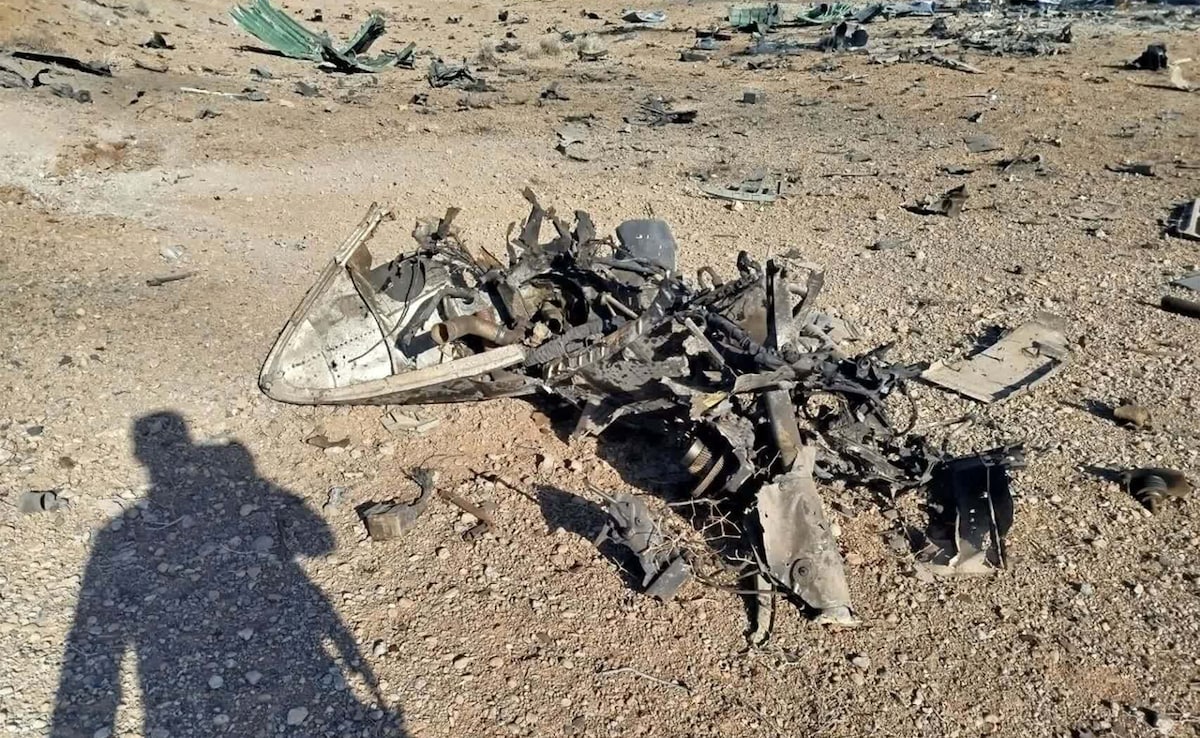
At least one, possibly two U.S. transport aircraft were rendered unusable and reportedly destroyed during a high-risk rescue after an F-15E was downed in Iran; remnants include what appear to be Lockheed Martin MC-130J Commando II airframes valued at over $100 million. U.S. forces successfully evacuated two airmen (one reported seriously wounded) amid Iran’s forces closing in, destroying stranded aircraft to prevent classified-technology capture. The incident raises regional escalation risk, could boost defense-sector interest and increase short-term flight/insurance and risk-off flows across markets.
Markets will initially treat this as a tactical signal of program and operational risk rather than a structural earnings shock; expect 48–72 hour volatility concentrated in prime defense names with high visibility to special-operations avionics. The path to a sustained re-rating requires one of two things: (a) evidence of systemic platform vulnerability or sustainment costs expanding by several hundred million dollars per program year, or (b) a protracted geopolitical escalation that forces accelerated procurement or recapitalization cycles. Both outcomes have asymmetric timelines — the former would play out over 1–6 months as regulators and program offices open inquiries; the latter unfolds over quarters-to-years as budgets and export policy shift.
Second-order winners are vendors of protected comms, austere-landing gear, and rapid-recover logistics (small-engine OEMs, tactical avionics, expeditionary ground support). Conversely, primes with concentrated program risk or single-supplier sustainment exposure face margin compression via unexpected maintenance and replacement cycles; investor attention will pivot from backlog size to replaceable-systems cadence and supply-chain elasticity. Watch bid momentum in IR/ECM and fast-turn spares in the next 3–9 months — contract awards and accelerated purchases can create outsized near-term revenue beats for smaller suppliers.
Consensus downside is likely heavier on headline contractors that are perceived as directly linked to the operational event; that may be overdone because capital losses are largely one-time balance-sheet hits and most primes retain multiyear, sticky FMS (foreign military sales) and DoD sustainment streams. A stop-start political narrative (investigations + PR) can keep sentiment weak for 4–12 weeks, but absent emergent technical revelations the fundamental revenue trajectory for diversified primes normalizes within 2–4 quarters.
AI-powered research, real-time alerts, and portfolio analytics for institutional investors.
Request DemoOverall Sentiment
moderately negative
Sentiment Score
-0.45
Ticker Sentiment
