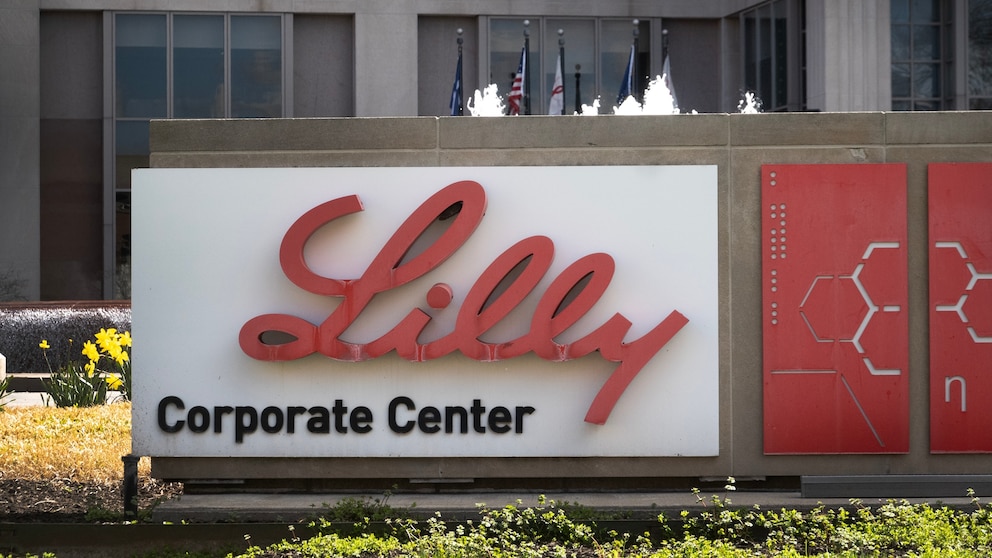
Eli Lilly received FDA approval to expand Zepbound's label to a four-dose, single-patient KwikPen and will begin offering the multi-dose pen to self-pay patients via LillyDirect starting Feb. 23, at the same self-pay price as vials (starting at $299/month for the 2.5 mg starter). Zepbound (tirzepatide), the most-prescribed weight-management drug in 2025, has shown up to 20.9% average body-weight loss over 72 weeks in trials and outperformed Wegovy in head-to-head studies (~50 lb vs ~33 lb). The pen rollout aims to reduce administration friction and broaden patient choice amid strong direct-to-consumer demand (LillyDirect served >1M patients in 2025), supporting Lilly's competitive positioning in the obesity market while safety warnings and medical screening requirements remain relevant for uptake and prescribing patterns.
Market structure: Lilly (LLY) gains incremental share and convenience-led pricing power as Zepbound KwikPen lowers adherence friction for weekly tirzepatide users; expect 3–6% incremental prescription growth through direct channels in 6–12 months vs prior vial-only distribution, pressuring Novo Nordisk (NVO) share in the GLP‑1 obesity segment. Pricing dynamics remain mixed—self‑pay $299/mo anchors a low public price point that limits near‑term ASP upside but expands volume, tightening supply-demand across fill-and-ship channels and raising inventory turnover for manufacturers and distributors.
Risk assessment: Tail risks include a regulatory safety alert (thyroid/pancreatitis) that could cut utilization 20–40% within weeks, or manufacturing bottlenecks that delay supply for 1–3 quarters; payer formulary rejections are a major 3–12 month downside catalyst. Hidden dependencies include LillyDirect throughput, patient adherence, and insurer reimbursement shifting from self‑pay to covered claims (which would compress margins); key catalysts are quarterly scripts data, FDA safety updates, and payer negotiations in the next 30–180 days.
Trade implications: Tactical trade is to overweight LLY vs NVO — establish modest long LLY (2–3% portfolio) and short NVO (~1–1.5%) as a 3–12 month pair to capture share rotation; use 3–6 month call spreads on LLY sized to 0.5–1% to limit downside and buy 3–6 month OTM puts on NVO (0.5% exposure) as protection. Rotate into large-cap pharma and away from mid/small‑cap clinic operators (30–50% reduction) where margin pressure and client churn will be fastest.
Contrarian angles: Consensus assumes runaway pricing power; instead, the $299 anchor and self‑pay mix may cap revenue per patient and incentivize rapid payer pushback—if insurers start limiting coverage within 6–12 months, growth could reaccelerate only after price concessions. Historical parallels (insulin pricing backlash, GLP‑1 safety scares) suggest mean reversion in sentiment; a short‑term enthusiasm trade could be overdone and vulnerable to safety/regulatory headlines.
AI-powered research, real-time alerts, and portfolio analytics for institutional investors.
Request DemoOverall Sentiment
mildly positive
Sentiment Score
0.35
Ticker Sentiment
