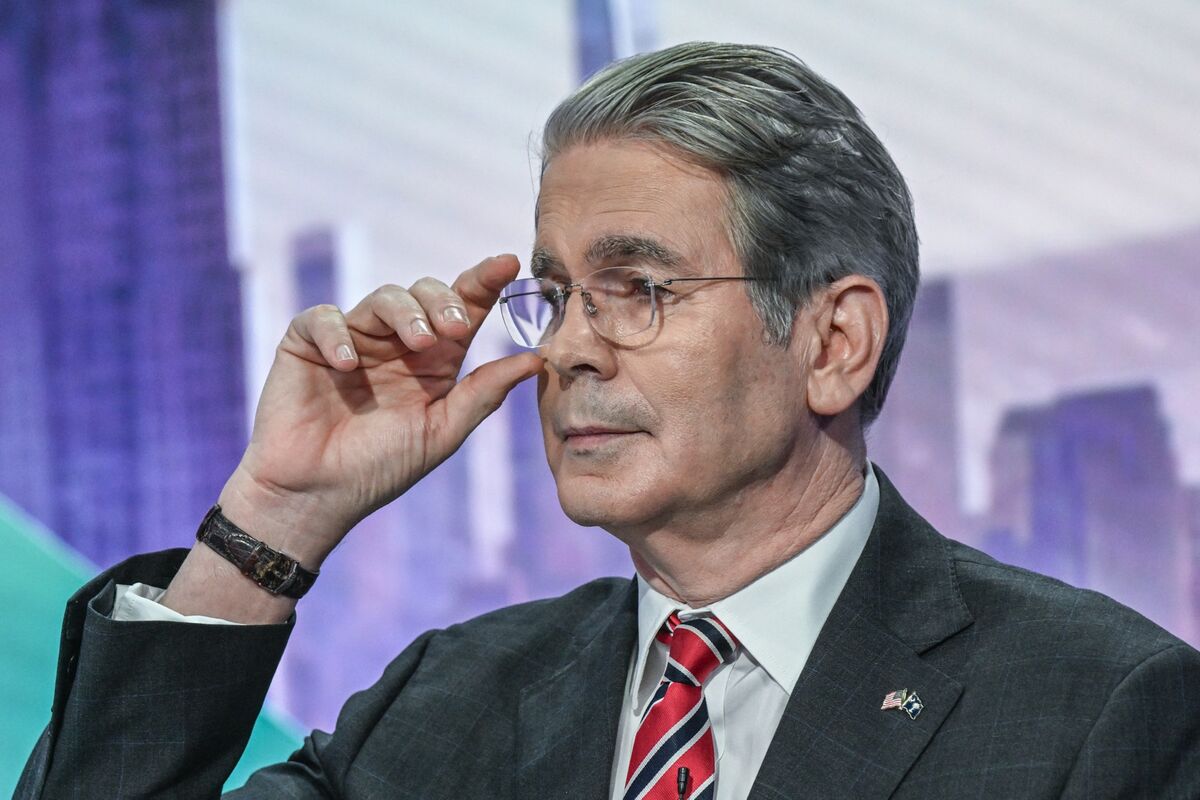
US Treasury Secretary Scott Bessent will again skip the G20 meeting in South Africa, marking his second absence this year and continuing a broader boycott by top US officials. This ongoing non-participation, reportedly initiated by Secretary of State Marco Rubio due to disdain for South Africa's G20 theme of 'Solidarity, Equality and Sustainability,' signals persistent diplomatic friction and could impact the efficacy of the G20's agenda.
The continued boycott of the G-20 meeting in South Africa by top US officials, including the Treasury Secretary for the second time this year, signals a significant and persistent diplomatic rift. This action, reportedly driven by disdain for South Africa's chosen theme of 'Solidarity, Equality and Sustainability,' moves beyond typical policy disagreements into a public display of ideological friction. The absence of the world's largest economy from these high-level financial discussions undermines the G-20's legitimacy and its capacity to coordinate on pressing global economic issues. While the direct market impact is currently assessed as low, this development introduces an element of geopolitical uncertainty, highlighting a potential fracturing of established international cooperation frameworks which could have longer-term implications for global policy alignment.
AI-powered research, real-time alerts, and portfolio analytics for institutional investors.
Request DemoOverall Sentiment
moderately negative
Sentiment Score
-0.50
