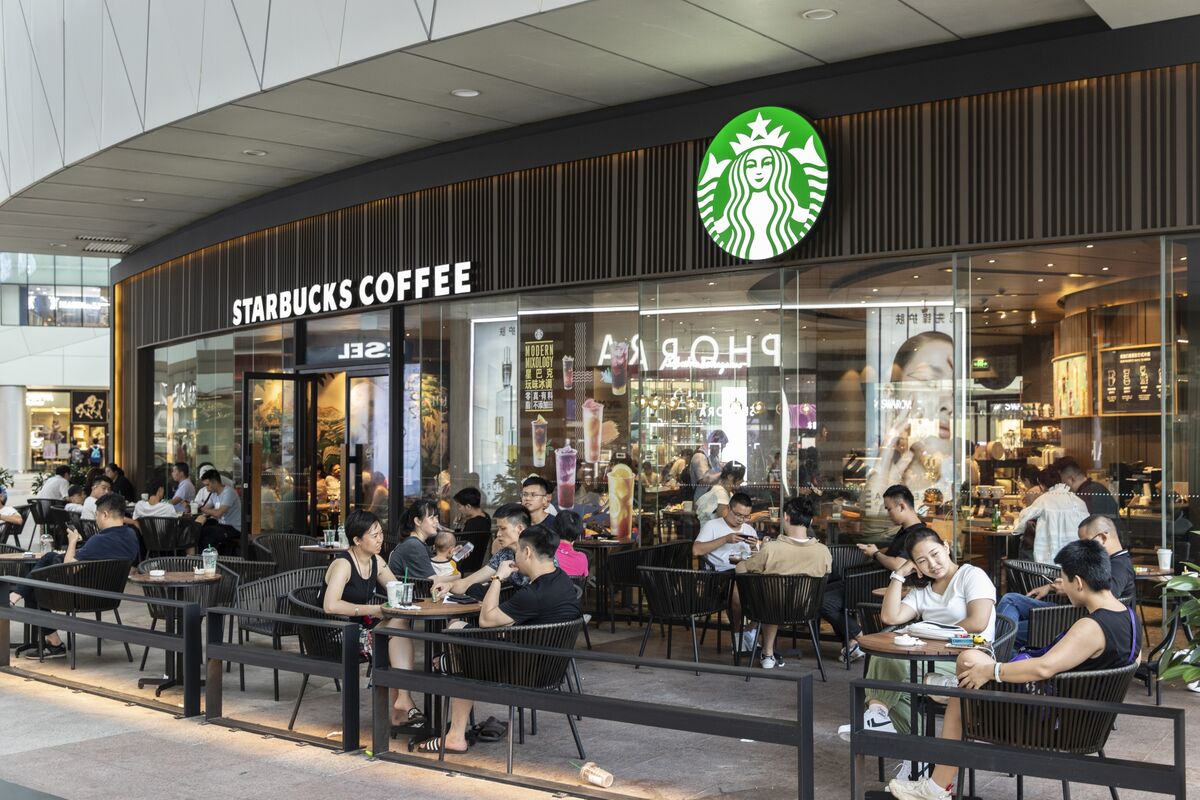
Starbucks is cutting prices by an average of 5 yuan (70 cents) on various tea-based drinks in China, including Frappuccinos and iced teas, to boost sales in its second-largest market. This move signals a more aggressive strategy to attract Chinese consumers with non-coffee options during the summer, amidst increasing competition in the region.
Starbucks Corp. has announced strategic price reductions averaging 5 yuan (70 cents) on over a dozen tea-based beverages, including Frappuccinos, iced teas, and tea lattes, across its stores in China. This initiative, targeting non-coffee options during the summer, represents a more aggressive tactic to stimulate sales in what is the company's second-largest market. The move, communicated via the company's official WeChat account, occurs amidst a competitive landscape, with the article headline explicitly mentioning a "price war." The associated general sentiment score of -0.35 (mildly negative) and a specific sentiment of -0.4 for SBUX, coupled with a "defensive" tone, suggest market participants may view this as a necessary response to competitive pressures or slowing consumer demand rather than a proactive growth strategy. While aimed at appealing to Chinese consumers and potentially increasing transaction volumes, these discounts could exert pressure on profit margins in a critical region, thereby impacting Starbucks' company fundamentals and its performance within emerging markets.
AI-powered research, real-time alerts, and portfolio analytics for institutional investors.
Request DemoOverall Sentiment
mildly negative
Sentiment Score
-0.35
Ticker Sentiment
