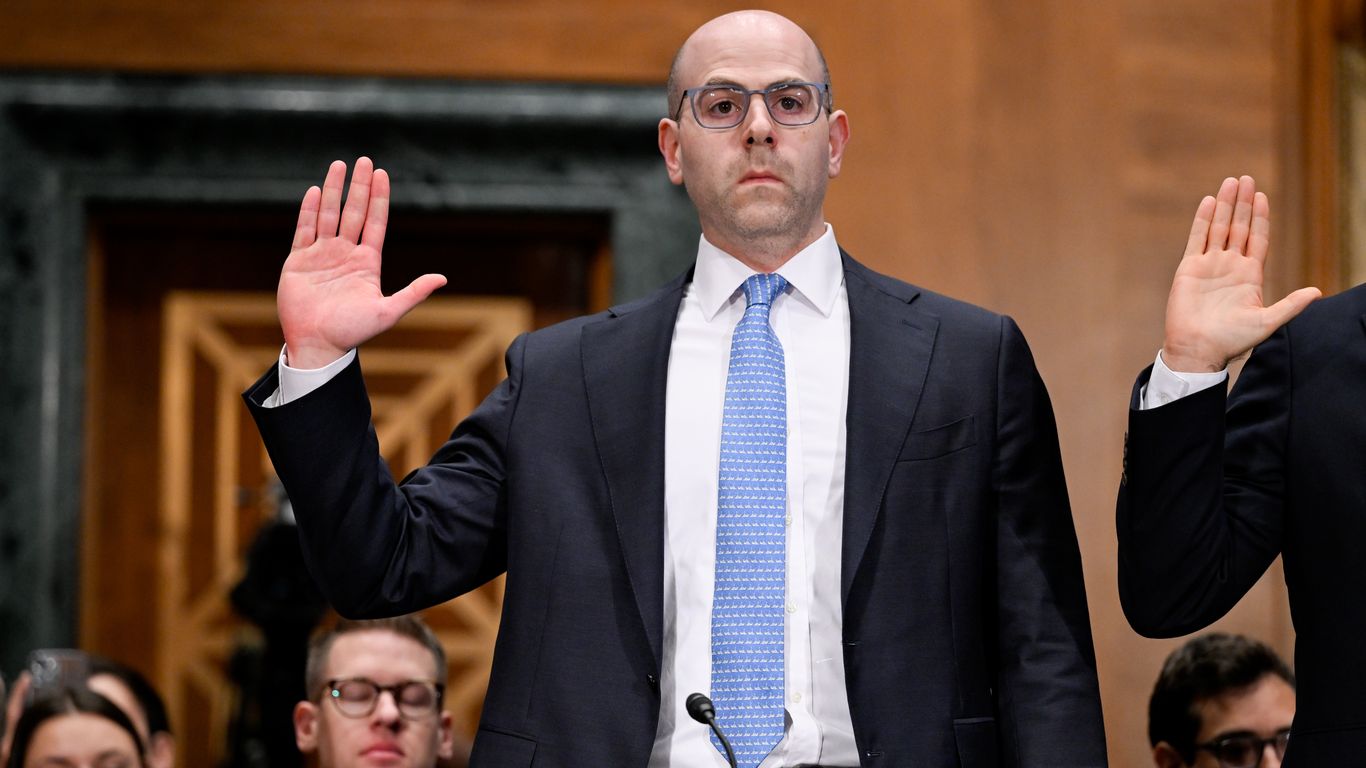
Stephen Miran's Senate confirmation hearing for a Federal Reserve governor position has intensified the ongoing battle over the central bank's independence, with Republicans fast-tracking his nomination despite his past advocacy for the Fed serving "at the will of the U.S. president." While Miran assured the committee of his commitment to independence, Democrats voiced strong opposition, highlighting broader concerns about presidential influence. This rapid confirmation effort occurs amidst President Trump's legal challenge to remove Fed Governor Lisa Cook, involving a reported DOJ criminal case, collectively signaling significant political pressure on the Fed's autonomy and potential implications for monetary policy stability.
The confirmation hearing for Stephen Miran to a Federal Reserve governor position represents a critical escalation in the ongoing struggle over the central bank's institutional independence. Despite Miran's previous writings advocating that Fed members should "serve at the will of the U.S. president," he has assured the Senate Banking Committee of his intent to act independently, creating a direct conflict for lawmakers to assess. The Republican-led effort to confirm him with "breakneck speed" before the next Fed policy meeting, even for a short term expiring in January, highlights a strategic push to influence the board's composition. This event is amplified by the concurrent and legally contested effort by the White House to remove Governor Lisa Cook, a situation now involving a reported Department of Justice criminal case. This confluence of events challenges the foundational principles of the Federal Reserve Act, which established staggered, long-term appointments and for-cause removal to insulate monetary policy from short-term political pressure. While Miran's confirmation for the short-term seat seems likely given Republican support, the unresolved legal battle over Governor Cook's long-term seat, which runs through 2038, injects significant uncertainty into the future governance and predictability of U.S. monetary policy.
AI-powered research, real-time alerts, and portfolio analytics for institutional investors.
Overall Sentiment
mildly negative
Sentiment Score
-0.30
