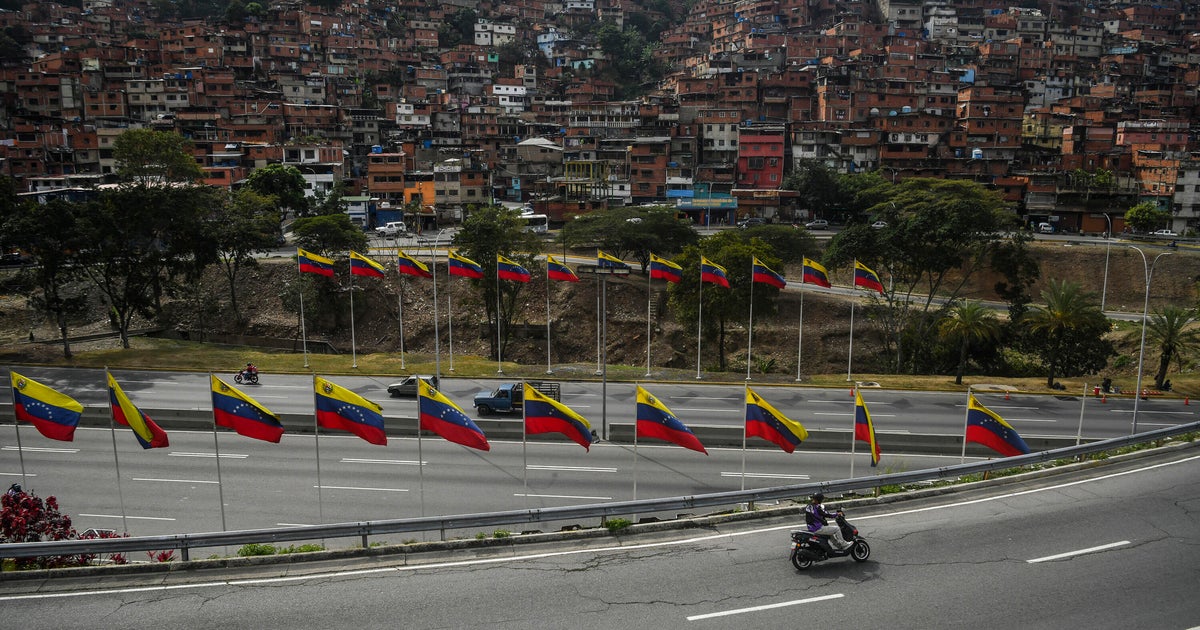
Colombian President Gustavo Petro told CBS News he welcomed a White House meeting with President Trump and hopes ongoing dialogue can avert a broader war, warning that any U.S. attack on Colombia would trigger civil war and strong anti‑U.S. sentiment. Petro highlighted Colombia’s cited successes combating drug trafficking, discussed restoring communications with Venezuela, invited Venezuela’s acting president Delcy Rodriguez to Bogotá, and signaled shared U.S.-Colombian interest in the future governance of Venezuela and control over oil. The comments elevate geopolitical risk in Latin America — particularly around Venezuelan oil and regional stability — that investors should monitor for potential energy price volatility and emerging-market risk premia.
Market structure: A negotiated de-escalation between Colombia and the U.S. reduces immediate tail-risk of a regional kinetic conflict but keeps elevated political risk for Colombian assets and Venezuelan oil flows. Winners: defense contractors (re-rate on higher baseline geopolitical risk), hard commodities (oil and gold) on supply disruption fear, and USD FX vs. COP; losers: Colombian sovereign/local-currency assets, regional banks, and EM carry trades. Cross-asset transmission will be via wider EM sovereign spreads, higher Brent/WTI vol, safer-haven bid in USTs and gold.
Risk assessment: Tail scenarios include a US military occupation/failure to stabilize Venezuelan oil (+/- 20-40% shock to Venezuelan crude exports) or a Colombian civil escalation that widens CDS by 300-800bps. Immediate (days) risk is volatility spikes in oil, FX, and CDS; short-term (weeks/months) is EM outflows and COP weakness of 5-15%; long-term (quarters) risk is policy-driven nationalizations or trade disruptions affecting regional supply chains. Hidden dependencies: refugee flows pressuring Colombian fiscal/banking stresses, and US sanctions paths that could flip oil price direction quickly.
Trade implications: Favor tactical USD/COP long and 3-month oil upside hedges while hedging EM equity exposure; buy short-dated protection on EM ETFs (EEM) and add selective defense longs (LMT, RTX) as asymmetric plays. Use pair trades: long GLD vs. short EEM as volatility hedge, and long Brent call spreads vs. short EM local-bond ETFs (EMLC) to express supply shock + regional stress. Monitor thresholds (USD/COP +5%; Brent +15%).
Contrarian angles: Consensus may overprice an all-out war; constructive diplomacy (Petro-Trump) can compress risk premia quickly — downside for defense and commodity longs if diplomacy succeeds. Conversely, markets may underprice systemic spillovers (bank funding, sovereign downgrades) in Colombia; historical parallels: 2002–2003 Latin political shocks produced multi-month EM underperformance then strong rebounds. Unintended consequence: US control of Venezuelan output could increase short-term supply and depress prices, hurting oil longs if the campaign secures production quickly.
AI-powered research, real-time alerts, and portfolio analytics for institutional investors.
Request DemoOverall Sentiment
moderately negative
Sentiment Score
-0.45
