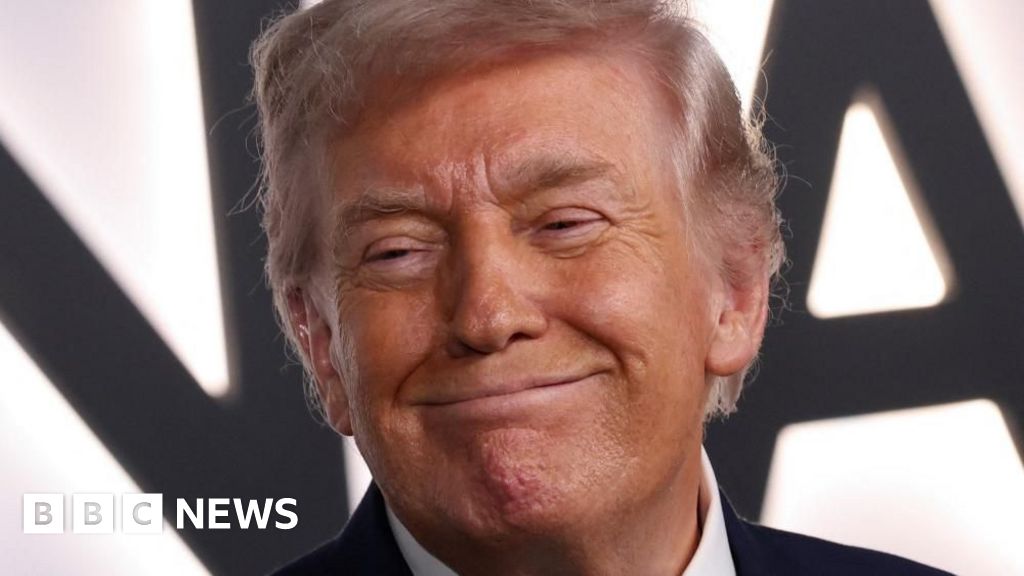
UK Prime Minister Keir Starmer concluded a three-day visit to Beijing securing measures to boost commerce — including visa-free travel, lower whisky tariffs and a announced £10.9bn AstraZeneca investment to build manufacturing facilities in China — alongside cooperation deals on organised crime and immigration. The trip has drawn criticism at home and warnings from US President Donald Trump, who said closer UK-China ties are “very dangerous” and signalled the US may impose tariffs on partners that deepen economic links with China, raising geopolitical and trade-policy risk for investors. Key implications: potential upside for UK–China trade-exposed companies (pharmaceutical manufacturing and exporters) but heightened policy and tariff uncertainty that could affect cross-border supply chains and sector sentiment.
Market structure: The UK–China reset creates clear winners — AstraZeneca (AZN) (£10.9bn capex commitment), exporters of premium UK goods (whisky/Leisure/air travel) and Chinese-capex suppliers — and losers: firms exposed to US retaliation or sensitive tech/defence contractors. AZN's on‑shore manufacturing in China should lower COGS and shorten launch timelines, increasing pricing power vs US peers by an estimated 2–5% margin improvement over 12–24 months if capacity comes online.
Risk assessment: Immediate (days) — headline-driven volatility around political soundbites; short term (weeks–months) — implementation risk for tariffs/visa deals and potential US countermeasures (Trump-era threat cycle, key catalyst April); long term (quarters–years) — structural realignment of supply chains back into China if deals hold. Tail risks include US-imposed tariffs on UK goods or secondary sanctions (low probability, high impact) that could compress UK export PMI and widen sovereign credit spreads by 30–50bp.
Trade implications: Tactical long AZN exposure (see decisions) and selective long positions in UK consumer exporters (Diageo) versus short positions in Canada‑exposed exporters if Ottawa pursues China deals and faces US tariffs. Cross‑asset: buy 3‑month GBP/CAD exposure and add UK equity downside protection; commodity upside (metals/oil) possible if UK–China trade increases demand for services and capex.
Contrarian angle: Markets may overprice political noise and underprice the tangible economic upside from announced deals (AZN capex is quantifiable). If Trump’s rhetoric is transitory and April talks progress, re‑rating catalysts (earnings upgrades, margin expansion) could materialise in 3–12 months — downside is a US protectionist shock which we hedge cheaply now.
AI-powered research, real-time alerts, and portfolio analytics for institutional investors.
Request DemoOverall Sentiment
mildly negative
Sentiment Score
-0.25
Ticker Sentiment
