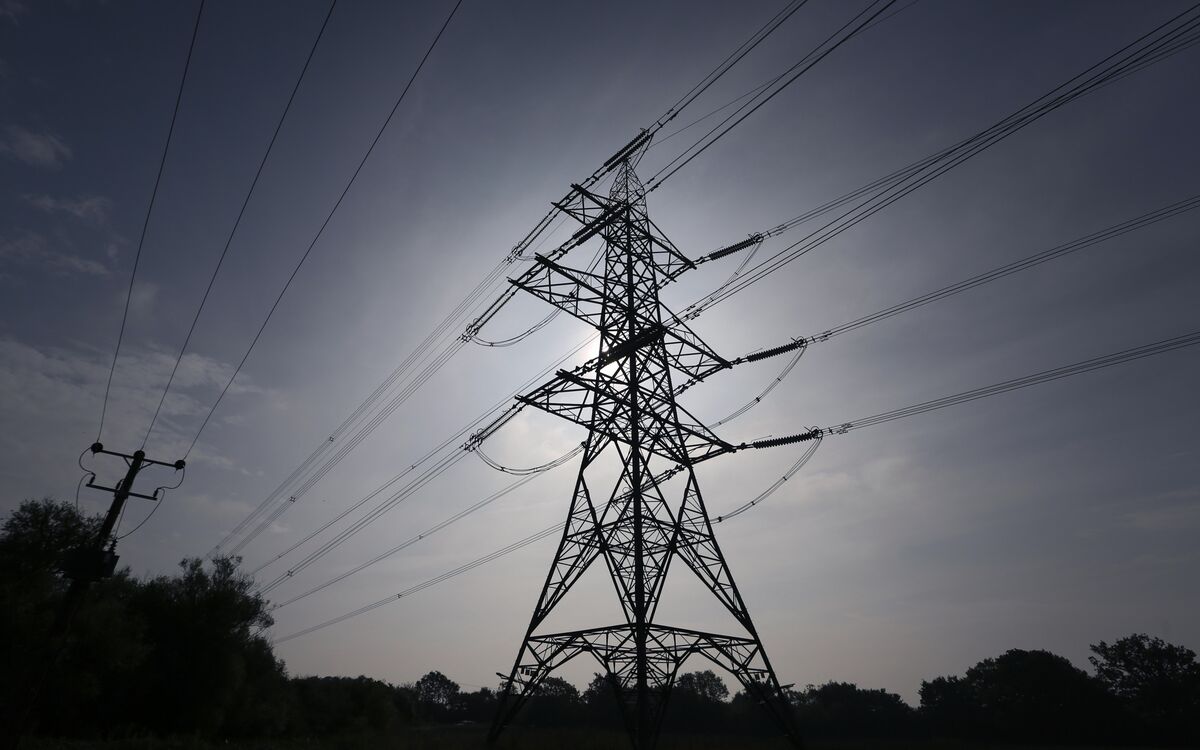
The UK regulator Ofgem approved early construction funding for additional power-grid projects, bringing its fast-track pipeline to 26 projects. The funding lets developers secure long-lead items such as heavy-duty cables and substation equipment earlier, helping reduce supply-chain delay risk for transmission work in Scotland. The move supports renewables integration and grid buildout, but the immediate market impact is likely limited.
The immediate winner is not the utility owner itself but the scarce upstream bottleneck layer: cable makers, switchgear producers, transformer OEMs, and specialty logistics firms with already-contracted capacity. Early funding reduces cancellation risk and advances purchase orders, which tends to pull demand forward by 2-4 quarters and improve pricing power for the few suppliers able to guarantee delivery windows. That matters more in Europe than headline grid capex suggests because backlog visibility is now a competitive moat; firms without reserved capacity risk missing the next wave of UK and Nordics project awards.
A second-order effect is that this is mildly bearish for developers that are not already deep in the fast-track queue. The regulator is effectively rewarding balance-sheet strength and procurement sophistication, so smaller renewable developers may face higher working-capital needs or worse economics if they cannot secure equipment early. The other hidden beneficiary is copper exposure: once grid projects lock in heavy cable orders, the market often underestimates the duration of tightness in medium-voltage cable and transformer inputs, which can persist well into the next budget cycle.
The key risk to this thesis is timing: the funding signal is positive over months, but revenue recognition for equipment suppliers is often lumpy and can disappoint if permitting, weather, or political pushback slows actual buildout. If UK rates stay elevated or subsidy support weakens, some projects may still stall despite early procurement. Consensus likely underweights how much of the value transfer goes to bottleneck suppliers rather than renewable generators; that makes the trade more attractive as a relative-value expression than a broad beta long.
AI-powered research, real-time alerts, and portfolio analytics for institutional investors.
Overall Sentiment
mildly positive
Sentiment Score
0.15
