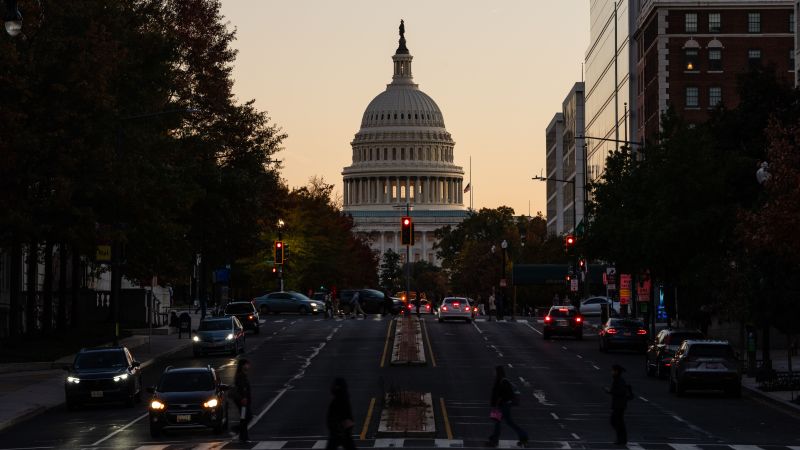
A Senate deal ended the longest government shutdown after moderate Democrats dropped their demand for guaranteed Obamacare subsidy extensions. The agreement funds the government through January 30, guarantees federal worker pay, and funds food stamps through 2026, but only secures a December Senate vote on ACA subsidies without guaranteeing their extension. While averting immediate economic disruption, the resolution underscores deep Democratic divisions and leaves the future of critical ACA subsidies uncertain, posing potential policy risks for the healthcare sector and broader market stability, despite President Trump's perceived political win.
The recent resolution of the longest government shutdown, lasting 40 days, funds federal operations through January 30, guarantees pay for furloughed workers, and extends food stamp benefits for 42 million Americans through 2026. This agreement, however, saw moderate Democrats drop their demand for a guaranteed extension of Affordable Care Act (ACA) subsidies, securing only a December Senate vote on the matter. This outcome, while averting immediate economic disruption, leaves a critical healthcare policy unresolved.
The compromise has exposed deep divisions within the Democratic Party, with progressive leaders like Sen. Elizabeth Warren criticizing the deal for failing to address rising healthcare costs. While President Trump is perceived as not having caved, the protracted shutdown and his perceived indifference to public suffering may have damaged his political brand. The unresolved ACA subsidy issue places the Republican-led Congress under renewed pressure, particularly with midterm elections approaching.
The mild negative sentiment and critical tone associated with this resolution suggest underlying market apprehension regarding political stability and future policy certainty. The lack of a guaranteed ACA subsidy extension introduces regulatory uncertainty for the healthcare sector, potentially impacting insurance providers and beneficiaries. This political dynamic, particularly the ongoing debate over healthcare affordability, will remain a key theme influencing domestic policy and market sentiment.
AI-powered research, real-time alerts, and portfolio analytics for institutional investors.
Overall Sentiment
mildly negative
Sentiment Score
-0.35
Ticker Sentiment
