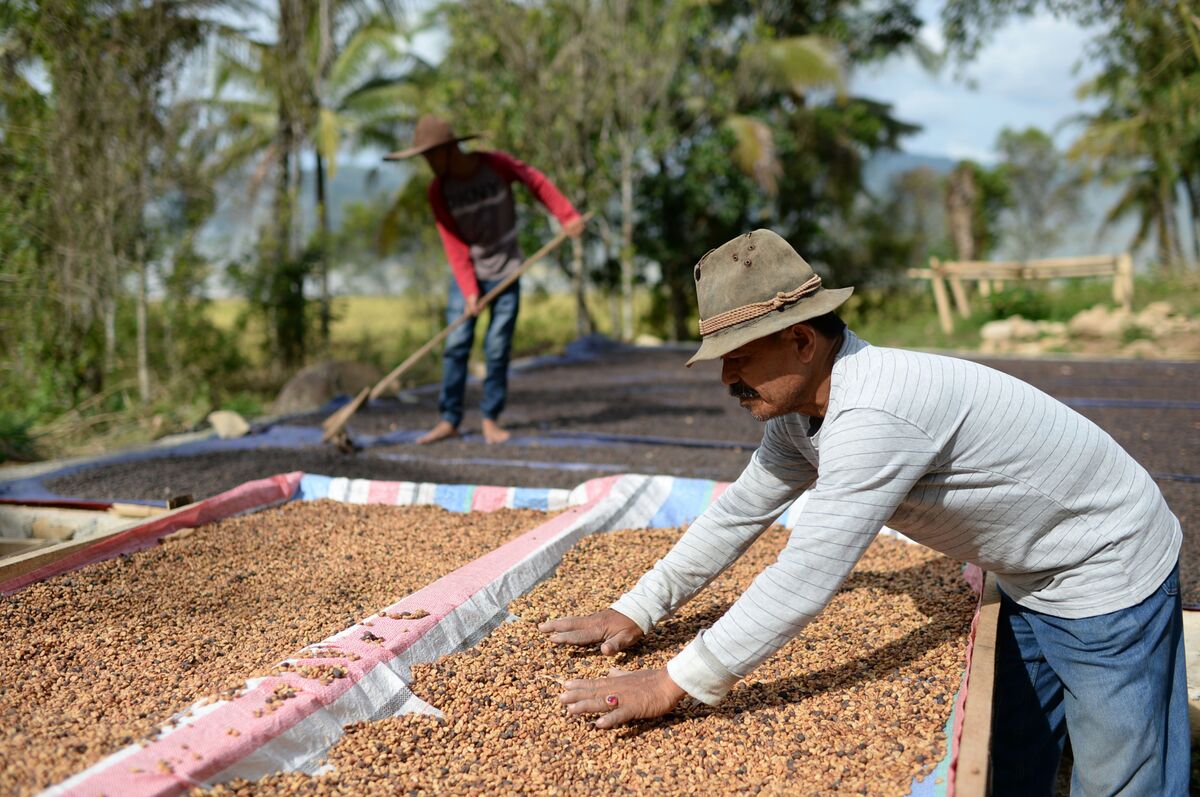
Arabica coffee's premium over robusta has surged to a 2011 high, driven by escalating concerns over tight supplies of the high-end bean. The most-active arabica contract rose 2.1% to $3.930 a pound, its highest since May 7, following downward revisions to Brazil's 2025-26 production estimates. This significant price movement reflects market anxiety over future availability for major consumers like Starbucks, signaling potential cost pressures for the industry.
The premium of arabica coffee over robusta has expanded to its highest level since 2011, signaling significant market concern over supply-side constraints. The most-active arabica contract experienced a notable price increase, rising as much as 2.1% to $3.930 a pound, a peak not seen since May 7. This bullish momentum is directly fueled by downward revisions to production estimates for the 2025-26 season in Brazil, the world's top grower. The price surge has direct negative implications for major coffee retailers like Starbucks Corp. (SBUX), which favor the high-end arabica variety. The situation underscores a growing anxiety about future supply tightness, which is poised to translate into significant input cost pressures and potential margin compression for companies in the sector.
AI-powered research, real-time alerts, and portfolio analytics for institutional investors.
Request DemoOverall Sentiment
moderately positive
Sentiment Score
0.40
Ticker Sentiment
