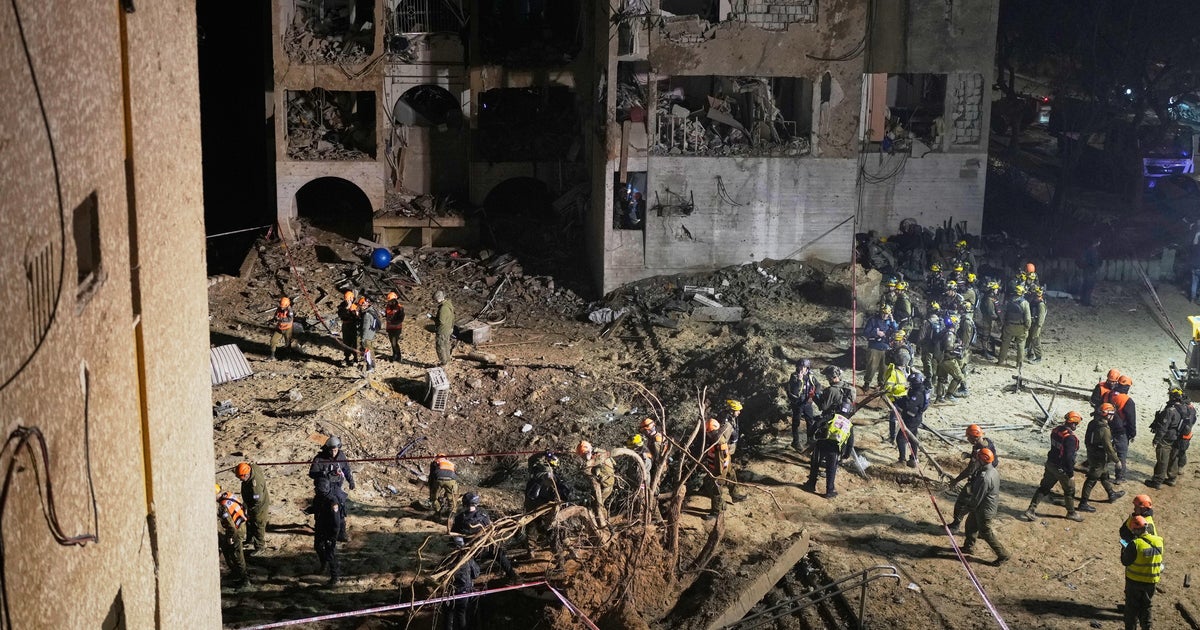
At least 90 people were injured after Iranian missile strikes hit Dimona (33 injured) and Arad (59 injured: 6 serious, 13 moderate, 40 mild) near Israel's main nuclear research center — the first time the center has been targeted in the three-week war. Israeli military said it was unable to intercept the missiles; the IAEA reported no abnormal radiation and Iran said its Natanz facility was hit earlier in a separate strike while Israel denied responsibility. The event materially raises regional escalation risk and is likely to drive risk-off flows, elevated volatility and potential pressure on regional assets and energy markets.
The market will reprice two correlated risk premia simultaneously: perceived weakness in regional missile defense and demonstrated willingness to target nuclear-related infrastructure. Historically, such signals produce a 3–8% knee-jerk impulse in oil and a 5–12% rise in defense equities within the first 48–96 hours; insurance/reinsurance spreads (war-risk, hull) can widen 10–30% within weeks, raising operational costs for shipping and energy firms. These are short-duration shocks that can extend into months if supply routes or enrichment sites face sustained disruption.
Immediate winners are large-cap defense primes and niche missile-sensor and guidance suppliers that can accelerate program deliveries; second-order beneficiaries include reinsurers and companies that supply hardened infrastructure. Losers on the margin are smaller regional infrastructure operators, tourism and consumer-facing Israeli names, and local asset markets that will see FX and sovereign CDS volatility; regional energy projects with tight export windows face higher breakevens due to rising short-term transport and insurance costs. Over 6–24 months, persistent production or logistical issues can push buyers up the oil curve and re-accelerate upstream FCF capture for nimble E&P names.
Key catalysts and tail risks: near-term (days–weeks) moves will be driven by tanker insurance rates, satellite imagery of damage, and CDS moves; medium-term (months) by concrete military escalations or diplomatic de-escalation, and long-term (years) by changes to nuclear posture and capital allocation to defense. Reversals happen quickly with credible de-escalation, visible repair of air defenses, or diplomatic agreements; absent those, market repricing can persist and compound via flows into safe-haven assets.
The consensus trade (buy defense, buy oil, buy gold) is logical but may be overcrowded — defense names already reflect multi-year budget reallocation in many models. Tactical implementation that limits downside (option structures, call spreads, pair trades) is preferable to outright levered exposure; monitor insurance spreads, IAEA updates, and US/coalition operational signals as primary trade triggers.
AI-powered research, real-time alerts, and portfolio analytics for institutional investors.
Request DemoOverall Sentiment
strongly negative
Sentiment Score
-0.80
