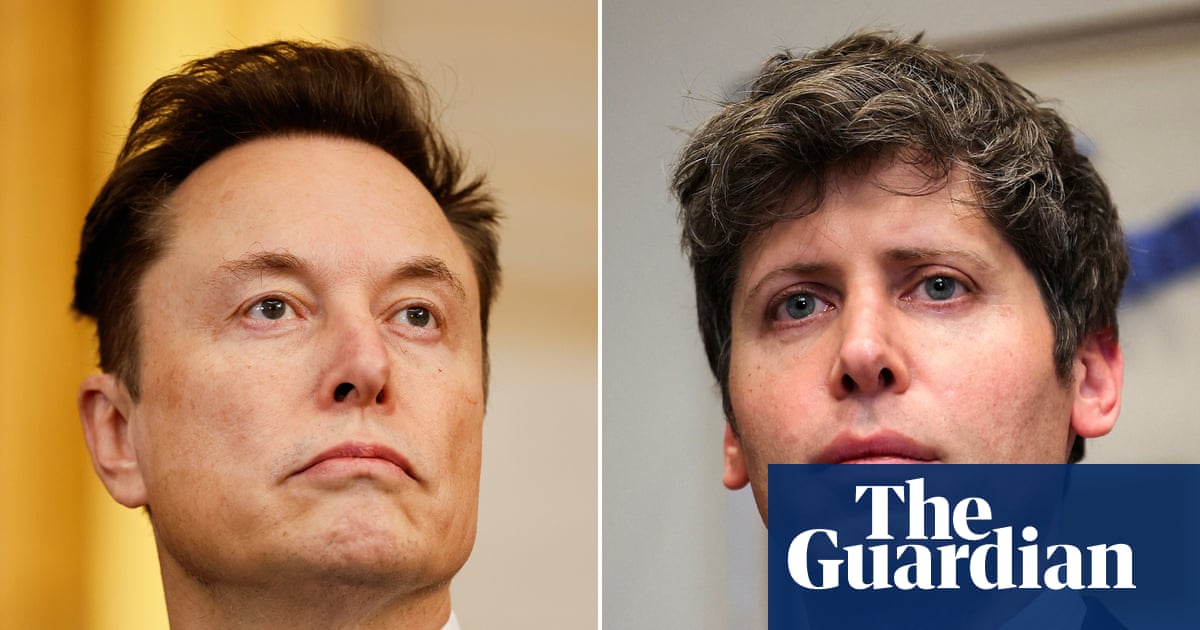
A jury found Sam Altman, OpenAI, Greg Brockman and Microsoft not liable in Elon Musk’s lawsuit, rejecting claims over OpenAI’s for-profit restructuring and alleged breach of charitable trust. Judge Yvonne Gonzalez Rogers said she would agree with the advisory verdict, and the remedies phase was canceled, clearing a potential path for OpenAI’s planned IPO later this year at about a $1tn valuation. Musk said he will appeal.
This outcome removes the single biggest legal overhang on OpenAI’s financing roadmap and meaningfully de-risks the path to a public listing or large private-markets round. The immediate winner is MSFT: the market can now focus on monetization cadence, compute demand, and product integration rather than governance blowups, which should support multiple expansion in the AI complex broadly. The more important second-order effect is that capital providers to frontier AI now have a cleaner precedent that aggressive restructuring around mission-driven narratives is litigable but ultimately survivable if timelines and paper trails favor management.
The loser is not just Musk; it is any competitor hoping litigation could slow OpenAI’s capital formation. If OpenAI can credibly access public markets near $1tn, it will widen the gap in compute purchasing power, talent retention, and distribution partnerships versus smaller AI labs that depend on scarce venture dollars. That said, the verdict also validates a market where governance controversy is no longer a blocker to scale, which may lower the discount rate investors apply to other AI platforms with messy cap tables or dual-structure histories.
The key risk is that this is a legal, not operating, reset. Over the next 1-3 months, the headline overhang fades, but the real test is whether OpenAI can convert the credibility boost into a financing event without spooking investors about cash burn, margin structure, or board control. A successful IPO or large pre-IPO round would be bullish for MSFT and AI infrastructure suppliers; a delayed listing would likely shift attention back to governance and economics, muting the positive read-through.
Consensus is likely underestimating how much this helps the broader AI trade by clearing a path for a better-funded incumbent. The more contrarian view is that the verdict may actually accelerate competitive pressure on AI infrastructure names: if OpenAI raises at scale, it will lock in even more compute demand, benefiting whoever is closest to its capex stack while making the economics of smaller model providers look worse. The market may be pricing the legal win as a binary positive, when the bigger implication is a winner-take-most capital cycle that favors MSFT and a narrow set of infrastructure beneficiaries.
AI-powered research, real-time alerts, and portfolio analytics for institutional investors.
Request DemoOverall Sentiment
mildly positive
Sentiment Score
0.35
Ticker Sentiment
