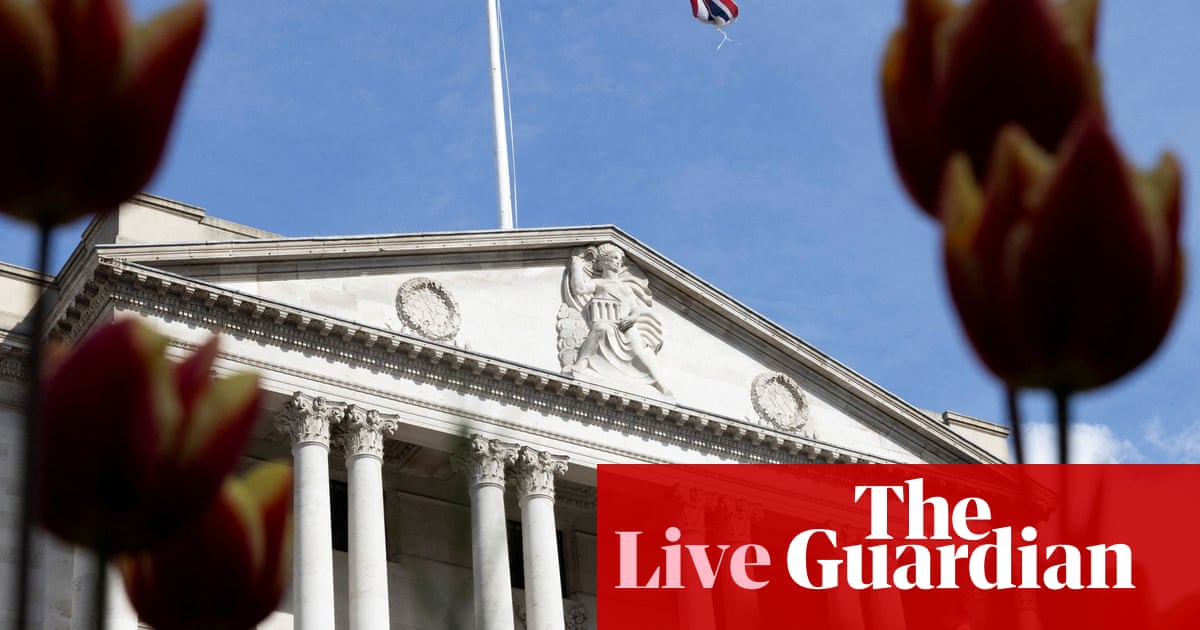
Bank of England Governor Andrew Bailey signaled faster interest rate cuts if the UK labor market significantly slows, citing increasing 'slack' and prompting money markets to price an 85% chance of an August 7th cut, which weakened the pound to a three-week low. Meanwhile, Donald Trump's threat of 30% tariffs on EU imports from August 1st is pressuring European equities and heightening global market volatility concerns. While EU officials and analysts largely view this as a negotiation tactic, the looming deadline, coinciding with the US jobs report, poses significant market risk.
A significant divergence is emerging in global markets, driven by a dovish pivot from the Bank of England (BoE) and escalating US-EU trade tensions. BoE Governor Andrew Bailey's commentary has explicitly linked a potential acceleration in interest rate cuts to developing "slack" in the UK labor market, a consequence of increased employer national insurance contributions. This has tangible effects, with the National Trust cutting 550 jobs and job-seeker numbers surging at the fastest pace since the pandemic. Consequently, money markets are now pricing in an 85% probability of a rate cut at the August 7th meeting, sending the pound to a three-week low of $1.3467. Simultaneously, President Trump's threat to impose a 30% tariff on EU imports by August 1st has pressured European equities, with the DAX falling 0.95% and the STOXX 600 down 0.6%. While analysts from Jefferies and Berenberg view the 30% figure as a negotiating tactic, with a 10-15% outcome more probable, the approaching deadline creates significant uncertainty. This is amplified by Deutsche Bank's warning of a potential market shock around August 1st, citing a confluence of the tariff deadline, the US jobs report, and elevated bond yields that could resurrect US recession fears. In a stark contrast to this macro uncertainty, Bitcoin has surged to a record high above $120,000, fueled by strong institutional inflows into ETFs like BlackRock's IBIT and a crypto-friendly US political climate.
AI-powered research, real-time alerts, and portfolio analytics for institutional investors.
Request DemoOverall Sentiment
moderately negative
Sentiment Score
-0.45
Ticker Sentiment
