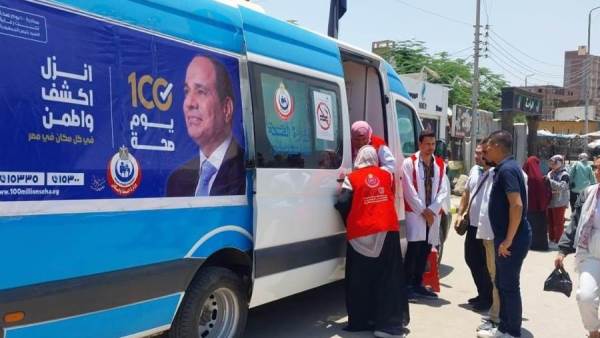
Egypt joined 14 countries in launching a World Bank-aligned National Health Compact and set a five-year reform plan to strengthen primary care, expand digital health tools, widen insurance coverage, upskill the healthcare workforce, and boost local production of health technologies and pharmaceuticals. Supported by the World Bank, Gavi, the Global Fund and philanthropic partners and tied to a global objective to extend essential services to 1.5 billion people by 2030 (against a backdrop of 4.6 billion lacking services and 2.1 billion facing medical financial hardship), the program could generate investment and contracting opportunities across healthcare infrastructure, digital platforms, pharma manufacturing and insurance in Egypt and other emerging markets.
Market structure: The compact structurally benefits private hospitals, local pharma/CDMO capacity builders, medtech suppliers and digital-health platforms that can win public contracts; expect a 1–3 year surge in procurement and outpatient volumes, potentially boosting EM healthcare revenues by low-double-digits regionaly while import-focused distributors face margin pressure as local production expands. Competitive dynamics favor large contract manufacturers and platform players with balance-sheet capacity and regulatory know-how; smaller regional players without scale risk being squeezed or acquired. Cross-asset: modest positive for EM equities (healthcare tilt) but mixed for sovereign bonds — reform funding reduces fiscal risk long-term but short-term FX volatility risk may rise.
Risk assessment: Tail risks include reform stalling (political backlash, procurement corruption), a >20% EGP devaluation that erodes insurance real value, or donor funding freezes; any of these would sharply impair the demand case. Immediate market moves will be muted (days) while procurement and investment flows play out over 3–12 months; real capacity and insurance take 2–5 years to materialize. Hidden dependencies: IMF/World Bank disbursements, tech transfers and private PPPs; catalysts are IMF program sign-off and public PPP tenders within 90–365 days.
Trade implications: Direct tactical plays: small EM Egypt-specific equity exposure, overweight global healthcare equipment/CDMO names, and capped-option exposure to manufacturers — seek 6–12 month horizons for option trades and 12–36 months for equity. Pair trades isolate idiosyncratic upside (long Egypt vs broad EM); trim Egyptian sovereign bond exposure until FX path clarifies. Entry/exit: ramp into positions over 30–90 days; take profits on EGPT at +30% or cut at -25% within 12 months.
Contrarian angles: Consensus understates implementation friction and conditionality — the market may be underpricing rollout risk, creating opportunities in names that can execute local JVs and win tenders. Mispricings likely in small regional healthcare equities and specialty CDMOs that global large caps ignore; monitor first-wave procurement announcements and insurance enrollment data in the next 90–180 days as re-rate triggers and be ready to rotate into on-the-ground winners.
AI-powered research, real-time alerts, and portfolio analytics for institutional investors.
Request DemoOverall Sentiment
mildly positive
Sentiment Score
0.28
