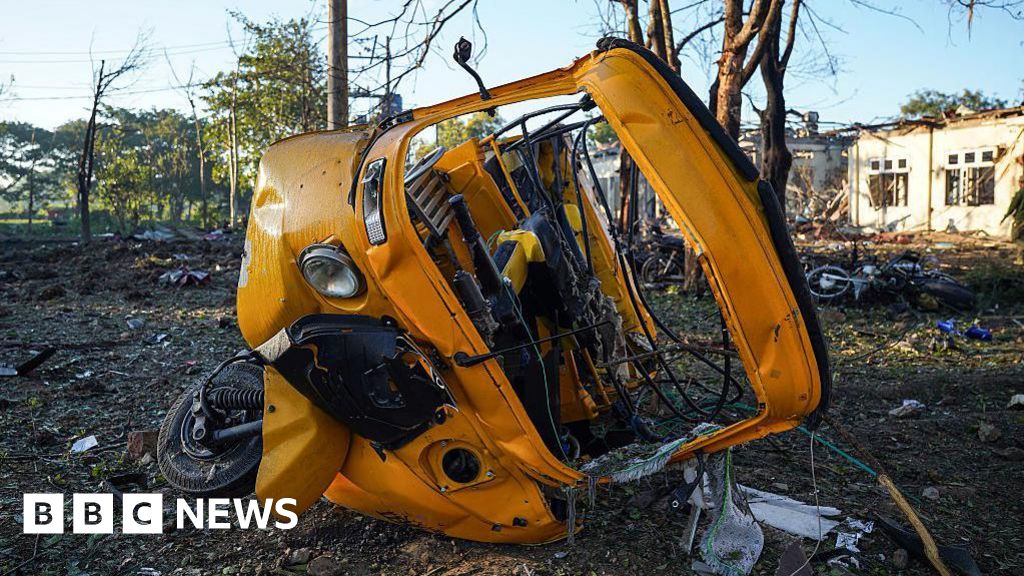
At least 34 people were killed and dozens injured after Myanmar military air strikes struck a hospital in Mrauk‑U, Rakhine state—an area controlled by the Arakan Army—with local sources saying many victims were patients; the junta has not commented while pro‑military accounts deny targeting civilians. The attack is the latest in an intensified air campaign since the 2021 coup that has killed thousands and displaced millions, with recent inflows of equipment from China and Russia helping the military regain territory and prompting the use of tactics including motorised paragliders. Coming ahead of a December 28 election the junta touts as a pathway to stability, the strike reinforces international and domestic charges that the vote will be neither free nor fair and underscores continued political instability, armed resistance and elevated reputational and security risks in Myanmar.
At least 34 people were killed and dozens injured when Myanmar military air strikes hit a hospital in Mrauk-U, Rakhine state, on Wednesday night; local sources and the Arakan Army health department reported that 10 patients were killed on the spot and most casualties were hospital patients, while the junta has not commented and pro-military accounts deny targeting civilians. Photographs circulating on social media reportedly show extensive structural damage and destroyed hospital beds, underscoring civilian harm in an area controlled by the Arakan Army.
The strike is part of a broader intensification of air campaigns since the 2021 coup, with the article noting recent inflows of equipment from China and Russia that have helped the junta regain territory and increase bombardment tactics, including motorised paragliders. The incident occurs ahead of the junta's contested 28 December election and follows continued arrests of dissidents, reinforcing political volatility and elevated humanitarian risk.
For financial markets the provided signals show strongly negative sentiment (score -0.8) but a modest immediate market-impact score (0.12), indicating reputational and sovereign-risk transmission is more likely than a systemic market shock today; investors should treat the election and continued military operations as near-term catalysts for volatility, supply-chain disruption for local projects, and heightened counterparty and operational risk in Myanmar-related exposures.
AI-powered research, real-time alerts, and portfolio analytics for institutional investors.
Request DemoOverall Sentiment
strongly negative
Sentiment Score
-0.80
