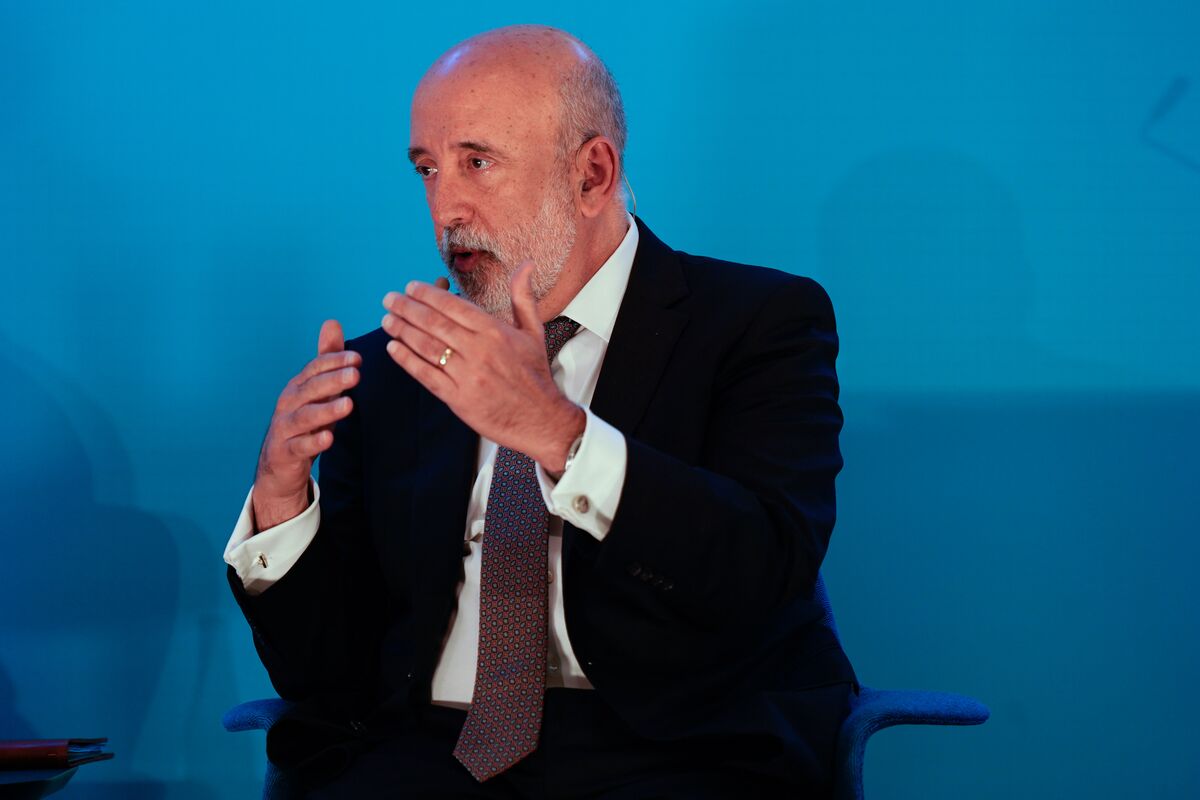
Ireland's central bank governor, Gabriel Makhlouf, has warned that the government's newly proposed budget plan carries a significant risk of overheating the economy, indicating a potential fiscal policy misalignment and raising concerns about future inflationary pressures.
The Governor of Ireland's central bank, Gabriel Makhlouf, has publicly signaled a significant concern that the government's new budget plan could lead to economic overheating. This statement, highlighted by a cautious tone and a moderately negative sentiment score (-0.55), points to a potential misalignment between the country's fiscal policy and its monetary stability objectives. Makhlouf's warning that "we’re in the wrong place" suggests a belief that the proposed fiscal stimulus is excessive for the current economic conditions, risking an acceleration in demand that could outstrip supply and fuel inflationary pressures. This divergence between the central bank and the government introduces a notable element of policy uncertainty for investors focused on the Irish economy.
AI-powered research, real-time alerts, and portfolio analytics for institutional investors.
Request DemoOverall Sentiment
moderately negative
Sentiment Score
-0.55
