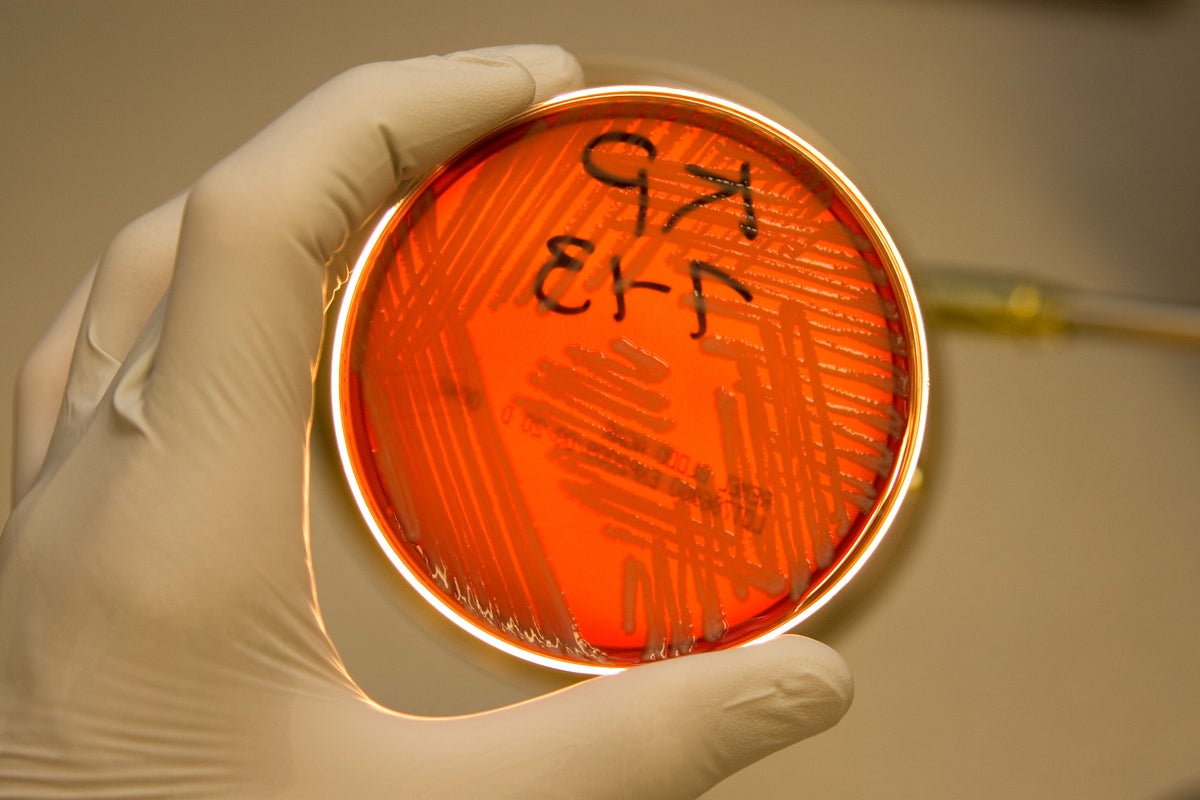
The U.S. CDC has reported a sharp increase in carbapenem-resistant Enterobacterales (CRE) infections, with New Delhi metallo-β-lactamase (NDM-CRE) cases surging by 461% between 2019 and 2023. These highly antibiotic-resistant bacteria, which caused 1,100 deaths in 2020, pose a significant public health challenge due to their difficulty in treatment and potential for community spread, which could lead to increased healthcare expenditures, demand for specialized pharmaceutical solutions, and strain on healthcare infrastructure.
A recent CDC report highlights a significant escalation in public health risk from antibiotic-resistant bacteria, creating specific catalysts within the healthcare sector. Between 2019 and 2023, infections from carbapenem-resistant Enterobacterales (CRE) with carbapenemase-producing genes rose 69%, but more alarmingly, a specific variant known as NDM-CRE saw its infection rate surge by 461%. These so-called "nightmare bacteria" were linked to 1,100 deaths in 2020 and are primarily found in hospital settings, posing a direct operational challenge to healthcare providers. The report explicitly identifies insufficient testing and limited access to detection tools as key contributors to the spread, alongside hygiene failures. The potential for these infections to move into the community, where they would require IV-only treatment and hospitalization for common ailments, signals a future of increased healthcare expenditures and system strain. This dynamic creates a clear and urgent demand for two specific solutions: novel antibiotics capable of treating CRE and advanced, rapid diagnostic tools to enable effective containment and treatment protocols.
AI-powered research, real-time alerts, and portfolio analytics for institutional investors.
Request DemoOverall Sentiment
strongly negative
Sentiment Score
-0.75
