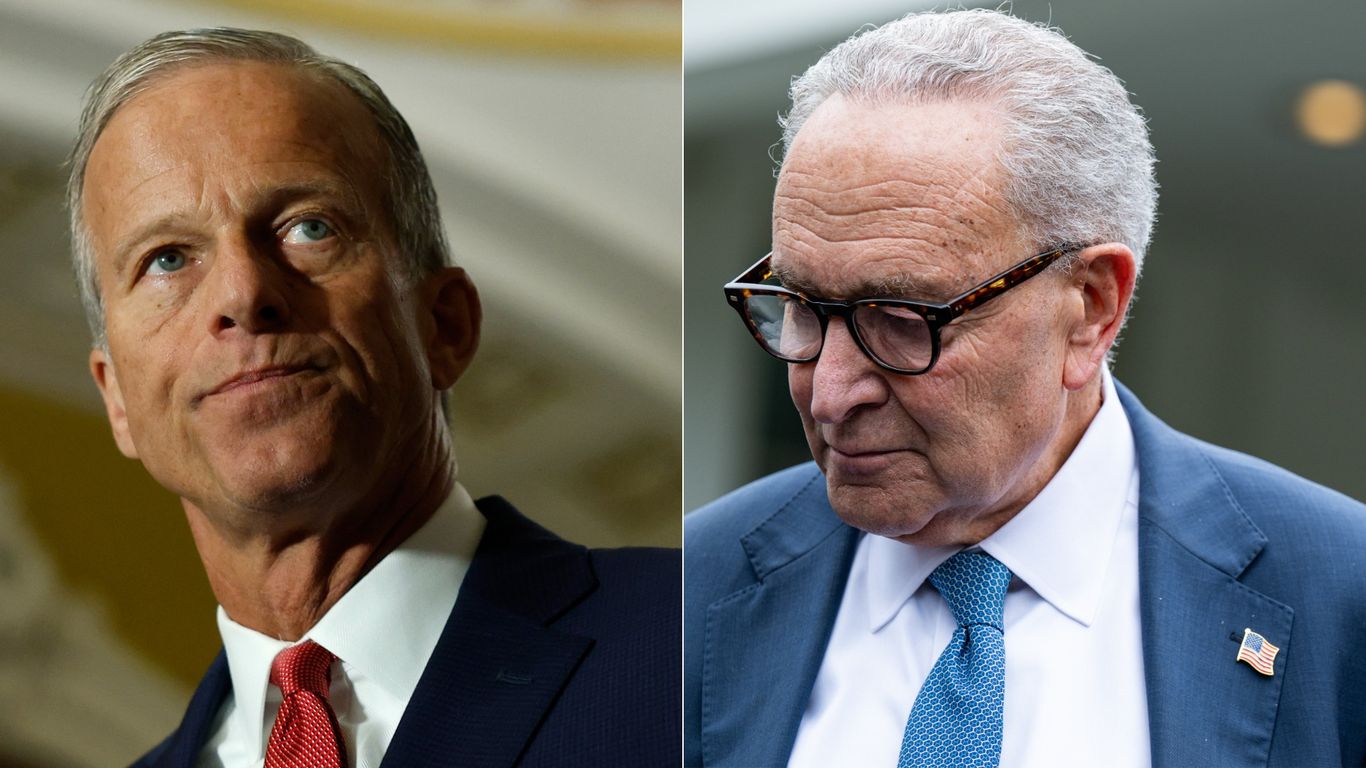
The U.S. government faces a shutdown at midnight after the Senate failed to pass a stopgap spending bill (55-45) and rejected a Democratic alternative focused on extending Affordable Care Act subsidies. This legislative impasse, stemming from partisan disputes over healthcare funding, signals immediate operational disruptions and ongoing political uncertainty, with further procedural votes expected Wednesday to address the House-passed continuing resolution.
The U.S. government will enter a shutdown at midnight after the Senate failed to secure the necessary 60 votes for a stopgap spending bill, with the final tally being 55-45. This legislative failure stems from a partisan deadlock centered on healthcare policy, specifically the Democratic demand to extend enhanced Affordable Care Act subsidies within the funding package, a provision Republicans have opposed for an immediate deal. The political complexity is underscored by cross-party votes and internal party dissent, evidenced by Democratic Leader Schumer's unsuccessful attempt to float a 7-10 day short-term bill that was rejected by progressives within his own party. While a procedural vote on a House-passed resolution is expected on Wednesday, offering a slim path forward, the immediate outcome is fiscal disruption. The situation introduces significant political and economic uncertainty, placing sectors dependent on federal spending and policy stability, particularly healthcare, at risk.
AI-powered research, real-time alerts, and portfolio analytics for institutional investors.
Request DemoOverall Sentiment
moderately negative
Sentiment Score
-0.55
