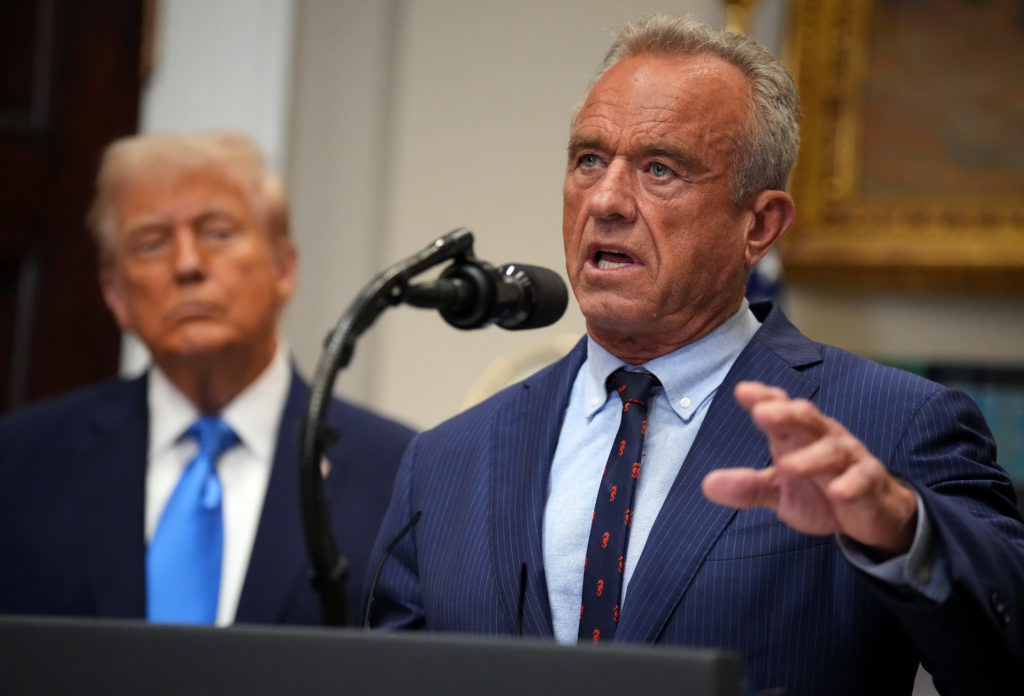
HHS has cut the number of vaccines recommended for every child, saying a review of 20 peer nations showed the U.S. was an 'outlier' and framing the move as aligning guidance and rebuilding public trust; officials said access and insurance coverage would not be removed. Health Secretary Robert F. Kennedy Jr. endorsed the change, but public-health experts warn dropping routine recommendations for influenza, hepatitis and rotavirus and altering HPV guidance without transparent review could reduce uptake and increase hospitalizations, creating demand uncertainty for pediatric vaccine makers and potential implications for insurers and public-health spending.
Market structure: Cutting recommended pediatric vaccines materially lowers predictable, recurring dose volume for incumbents (expect a 5–15% reduction in U.S. pediatric vaccine doses over the next 12 months as non-mandated vaccines like flu/rotavirus/HPV see lower uptake). Direct losers are franchise vaccine lines at MRK (Gardasil, RotaTeq), SNY, GSK and seasonal flu suppliers (PFE, GSK, SNY); short-term pricing power is limited but order cadence and gross margin on pediatric portfolios will face pressure. Winners are episodic: hospital systems, acute-care providers and diagnostics (more admissions/tests if preventable disease rises) and private-pay clinics that can upsell elective immunizations.
Risk assessment: Tail risks include a large preventable outbreak (low probability, high impact) that would reverse flows and produce a >20–40% snap rally in vaccine names and supply shortages; regulatory tail (CDC/ACIP reversal, state mandates) could restore volumes within 30–90 days. Immediate (days) is sentiment volatility; short-term (weeks–months) is order-book and guidance revisions for Q1–Q2 2026; long-term (quarters/years) depends on litigation, insurance coding changes and public trust dynamics. Hidden dependencies: school immunization laws, insurer formulary changes, and export contracts that can mute or amplify domestic demand shifts.
Trade implications: Tactical trades should be small, event-driven and volatility-aware: buy protection on marquee vaccine equities and rotate into diagnostics/hospital services. Options: short-dated put or put-spread protection on MRK/GSK (3-month) sized 1–2% of portfolio; directional: 3–6 month longs in DGX/LH/HCA sized 1–3% to capture testing/admissions upside. Reassess at two catalysts: a CDC/ACIP policy response (30–60 days) and Q1 2026 revenue guidance from vaccine makers.
Contrarian angles: Consensus assumes permanent volume loss; history (e.g., post-1976/2009 policy shocks) shows demand can snap back after transparency or outbreaks—so size risk small and favor option hedges over naked shorts. Mispricings: large pharma diversification cushions downside — selling deep ITM stock is risky; prefer buying puts or structured short call spreads. Unintended consequence: supply reallocation could create short-term shortages if recommendations are reinstated, favoring long-dated calls on select vaccine names as asymmetric upside insurance.
AI-powered research, real-time alerts, and portfolio analytics for institutional investors.
Request DemoOverall Sentiment
moderately negative
Sentiment Score
-0.25
