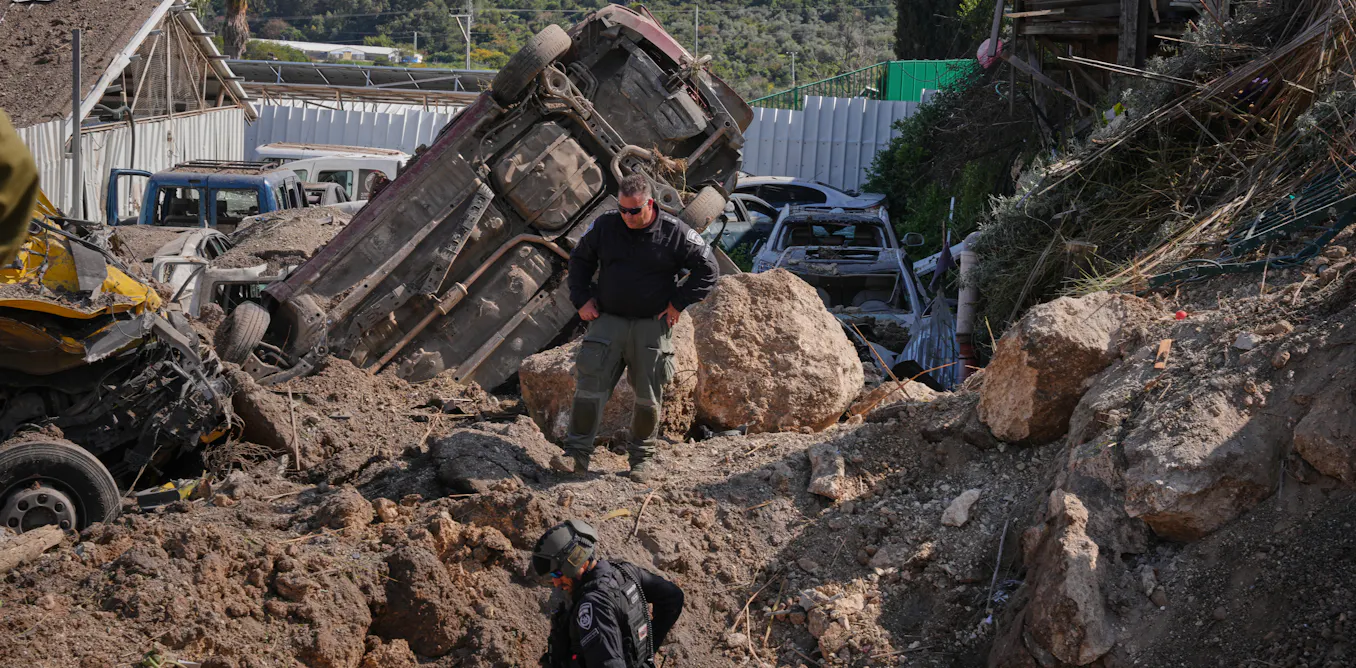
Iran has launched at least 5,400 missiles and drones so far, with roughly 4,900 attacks focused on Gulf Arab states and about 450 on Israel; Israeli defenses reportedly intercept ~92% of incoming missiles while the UAE claims 94% drone and 99% missile interception. Despite U.S. and Israeli airstrikes and claims of reducing Iranian fire by up to 90%, Iranian strikes have damaged Persian Gulf refineries, disrupted tanker traffic through the Strait of Hormuz, and caused significant casualties (20 deaths in Israel; at least 35 fatalities in the Gulf: 15 civilians, 13 U.S. soldiers, 7 merchant sailors). This is a material geopolitical shock with clear supply-side risk to oil markets and illustrates limits of current U.S. defense arrangements, prompting policy shifts such as temporary sanctions relaxations.
Energy logistics are the immediate transmission mechanism from geopolitics to markets: even partial, intermittent disruptions in the Strait of Hormuz create durable frictions — longer voyage times, higher insurance premia, and port congestion — that convert into low-single-digit dollars per barrel freight and refining location premia for weeks to months. Those frictions disproportionately benefit owners of large crude tankers and refiners with flexible feedstock sourcing while compressing margins for short-haul product carriers and integrated marketers forced to buy higher-priced spot barrels.
On the defence side, the economics are asymmetrical and self-reinforcing: low-cost drones and munitions force defenders to expend interceptors and logistics that are orders of magnitude more expensive, generating recurring procurement, spare-parts and training revenues and shortening replacement cycles. Expect a multi-quarter to year-long uplift in orders for missile-interceptor stocks and aftermarket suppliers, plus a parallel shift by Gulf buyers toward multi-sourcing (Russian/Chinese systems), which raises compliance and counterparty risk for Western OEMs that rely on export controls.
Macro offsets matter: liberalizing sanctions or unlocking additional seaborne supply (whether deliberate policy choice or bypass via third markets) blunts oil upside and narrows the window for sustained commodity-driven equity gains. The market’s current implied-risk premium likely overstates a protracted chokepoint; once shipping routes and insurance adapt, volatility should mean-revert, creating a clear tactical window for calendar and relative-value trades in energy and defense sectors over the next 1–6 months.
AI-powered research, real-time alerts, and portfolio analytics for institutional investors.
Request DemoOverall Sentiment
strongly negative
Sentiment Score
-0.60
