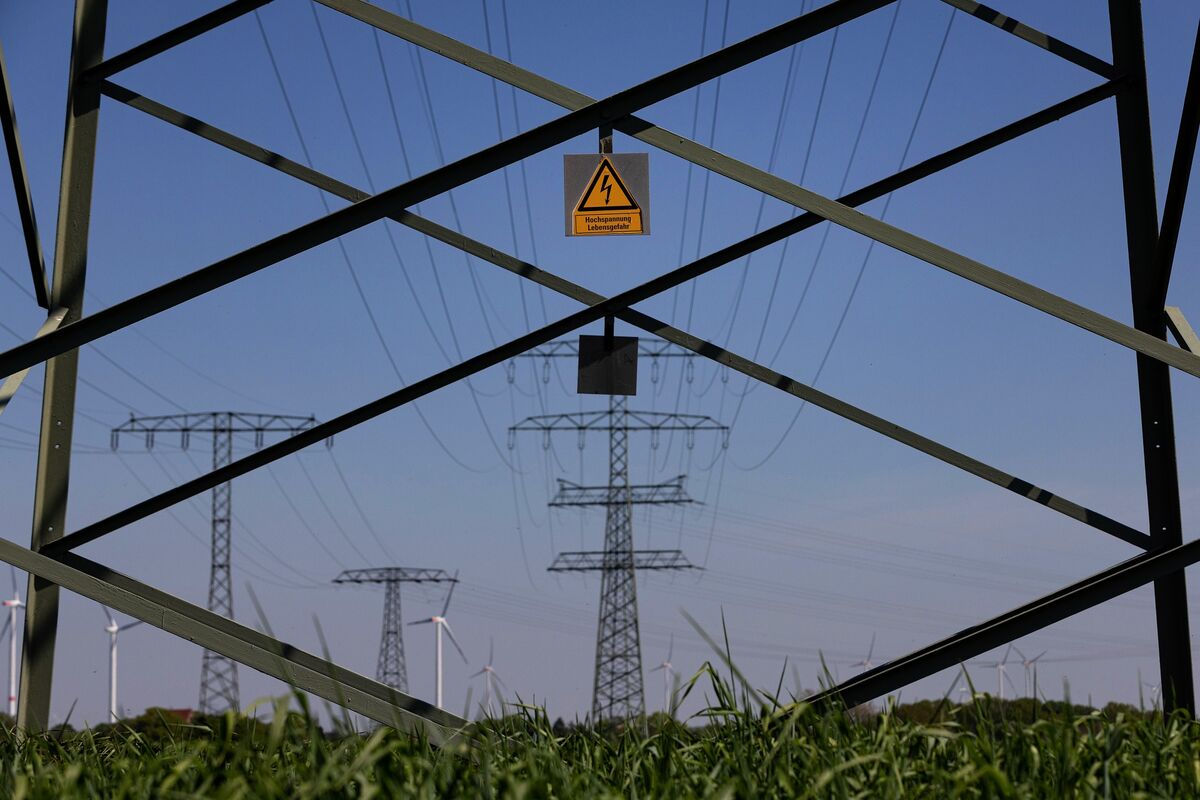
The French-German power spread recorded its largest gain since March, driven by diverging factors. French month-ahead prices dropped 4.3% as cooler weather eased nuclear outage concerns, while German prices increased 6.6%, tracking higher gas and carbon costs amid waning optimism for a resolution to the Russia-Ukraine war. This significant widening reflects distinct energy supply dynamics and geopolitical risk premiums impacting the respective markets.
The spread between French and German month-ahead power prices has registered its most significant weekly gain since March, reflecting a stark divergence in regional energy market fundamentals. French prices declined 4.3% as cooler weather eased the operational stress on its nuclear reactor fleet, mitigating concerns over potential outages that had been prevalent during summer heat waves. Conversely, the German equivalent contract rose 6.6%, directly tracking an increase in natural gas and carbon prices. This upward pressure on German power is linked to fading optimism over a diplomatic resolution to the Russia-Ukraine war, which sustains a risk premium on key energy commodities like natural gas (tracked by ETFs such as UNG) and carbon credits (tracked by ETFs like KRBN). The widening differential thus highlights France's sensitivity to domestic nuclear availability versus Germany's exposure to geopolitical tensions impacting the broader European gas and carbon markets.
AI-powered research, real-time alerts, and portfolio analytics for institutional investors.
Request DemoOverall Sentiment
mixed
Sentiment Score
0.00
Ticker Sentiment
