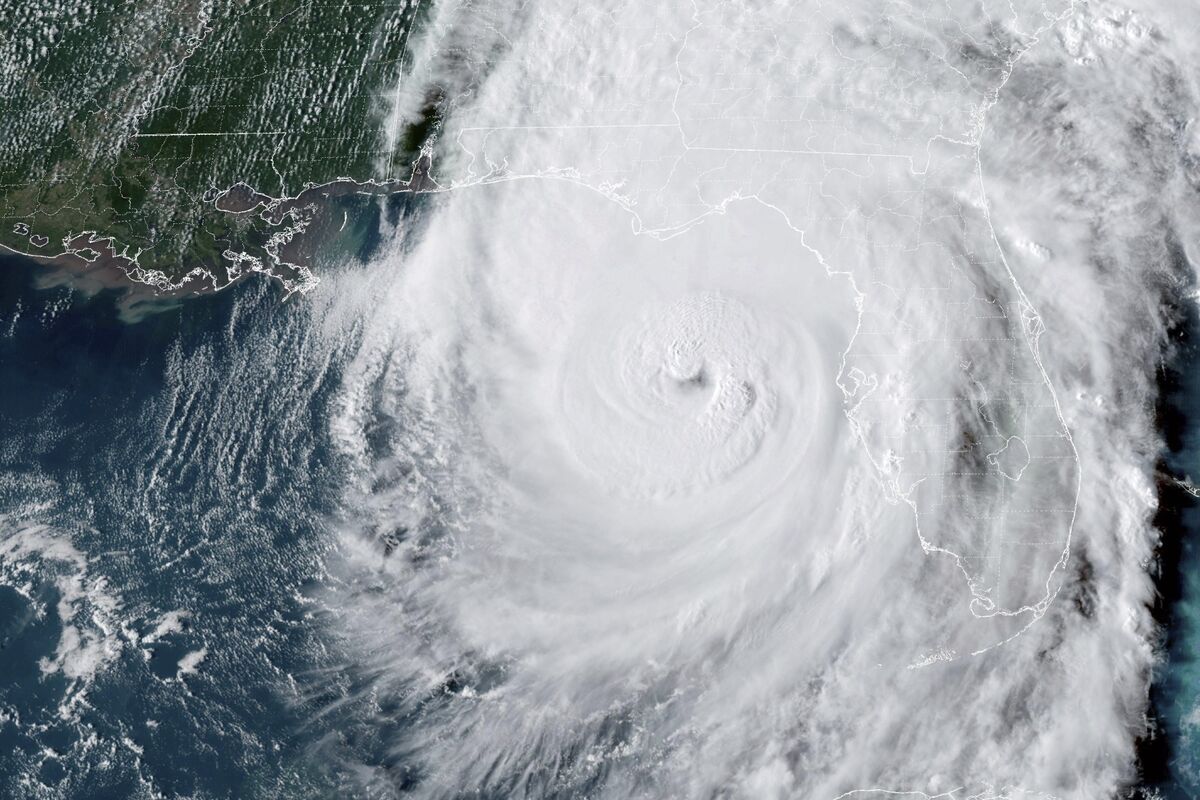
The US Navy and NOAA will cease distributing critical satellite readings from the Defense Meteorological Satellite Program after June 30, eliminating a key forecasting tool for hurricane strength and structure. This move, occurring as an unusually active Atlantic hurricane season deepens, will leave forecasters without vital insights and an unclear replacement, potentially increasing uncertainty for risk assessment and operations in hurricane-prone regions due to less precise storm predictions.
The imminent cessation of data distribution from the Defense Meteorological Satellite Program by the US Navy and NOAA represents a significant degradation of hurricane forecasting capabilities. This tool was instrumental in recent accurate predictions, such as the intensification of Hurricane Erick, highlighting the critical void its absence will create for the National Hurricane Center. The timing is particularly concerning, as this loss of intelligence coincides with the onset of what is projected to be an unusually active Atlantic hurricane season. With no clear replacement available after the June 30 deadline, a period of heightened uncertainty in predicting storm strength and structure is expected, complicating risk assessment and preparedness for assets and operations in hurricane-prone regions.
AI-powered research, real-time alerts, and portfolio analytics for institutional investors.
Request DemoOverall Sentiment
strongly negative
Sentiment Score
-0.60
