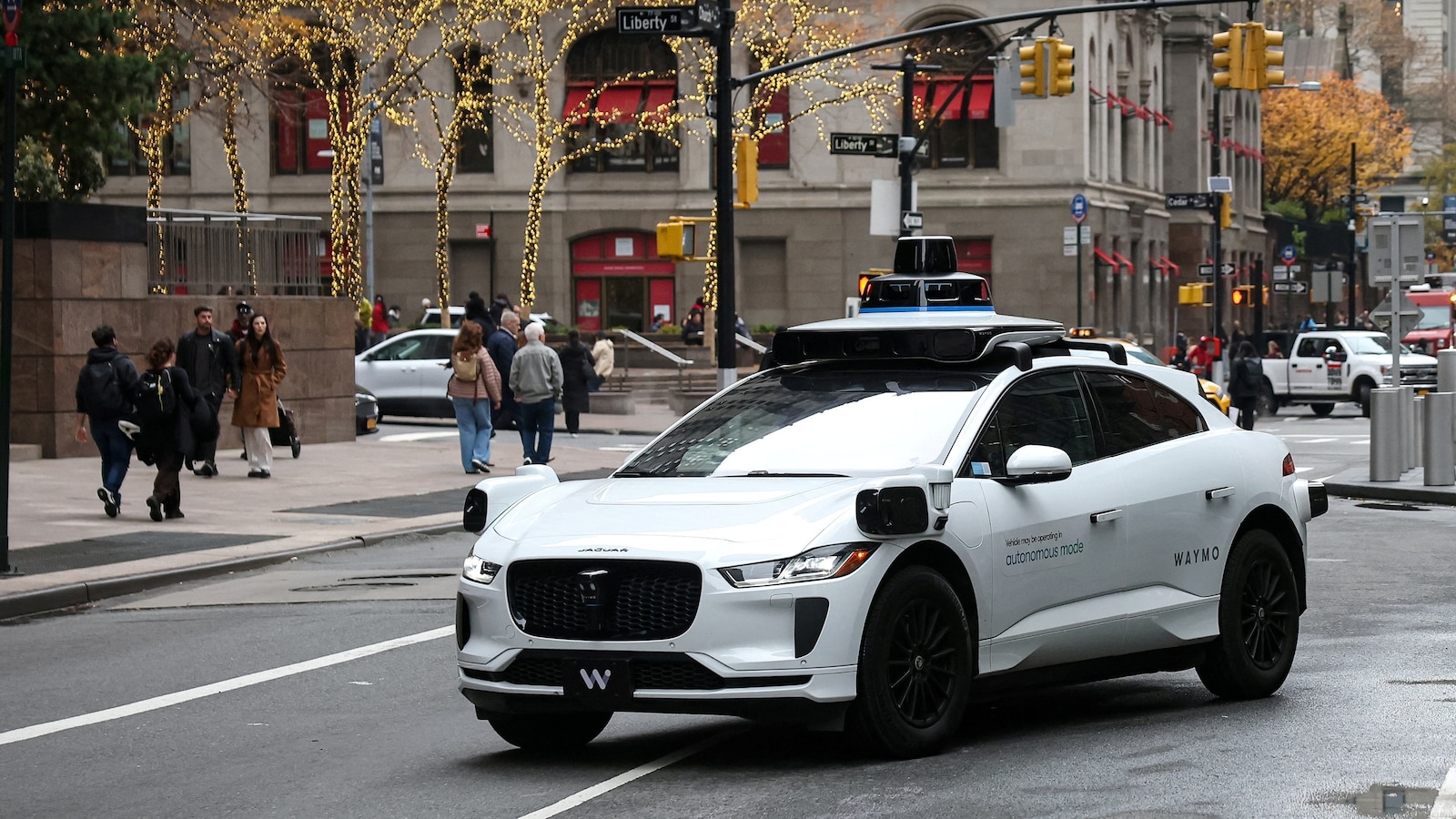
Waymo is facing regulatory scrutiny after school-bus-mounted cameras in Austin captured at least 19 instances since August of its driverless cars illegally passing stopped school buses, prompting an NHTSA investigation and a request from the local school district to pause operations during pick-up and drop-off. The company attributes the incidents to a software issue, says it has implemented updates, and reiterates its safety claims—citing a 91% lower rate of crashes causing serious injury versus human drivers—while outside experts warn that fully automated vehicles may not reliably reduce road injuries without human oversight.
Market structure: This shifts near-term winners to incumbent, human-driver businesses (Uber UBER, Lyft LYFT) and to suppliers of redundant safety stacks (Aptiv APTV, Intel INTC/Mobileye) while hurting pure-play AV revenue stories and optics-sensitive parents (Alphabet GOOGL; GM exposure via Cruise). Expect pricing power erosion for AV fleet services — commercialization timelines likely slip, lowering near-term TAM growth forecasts by ~20–40% vs. bullish models over the next 1–3 years.
Risk assessment: Tail risks include a major injury/fatality or a multistate regulatory moratorium (estimated 5–15% probability over 12 months) that could force recalls, legal liability >$500M, or multi-year deployment freezes. Immediate risk window is 7–90 days (NHTSA probe, local bans); medium 3–12 months for fines/regulatory rulemaking; long-term 1–3 years for changed go-to-market economics and higher insurance costs.
Trade implications: Tactical trades favor quality ride-hailing and safety-supplier exposure and short/hedges on high-beta AV hardware/plays. Volatility will be concentrated in small-cap AV names — prefer defined-risk option structures (3–6 month put spreads) and avoid unsecured debt of AV startups; expect credit spreads on high-yield AV-exposed issuers to widen 150–400bp if investigations escalate.
Contrarian angle: Consensus overweights headline risk to Big Tech; GOOGL’s core ad/cloud cash flow insulates it — downside to parent likely <3–5% from Waymo headlines absent a fatality or regulatory ban. Historically (aircraft automation scares), suppliers of safety upgrades benefited; a 10%+ pullback in APTV or INTC on headlines may be an asymmetric long opportunity over 6–18 months.
AI-powered research, real-time alerts, and portfolio analytics for institutional investors.
Request DemoOverall Sentiment
moderately negative
Sentiment Score
-0.35
