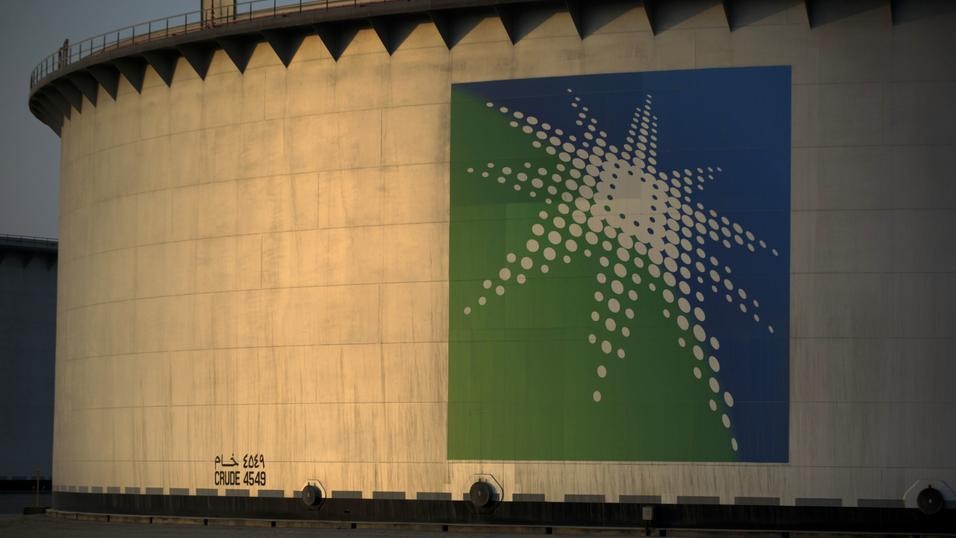
About 1 billion barrels of oil have been removed from the global supply balance over the past two and a half months, and executives at Saudi Aramco, Shell, ExxonMobil, and TotalEnergies say the market will need one to two months after any Strait of Hormuz reopening to normalize. Aramco said its East-West Pipeline hit 7.0 million barrels per day to reroute exports around the chokepoint, but inventory draws remain severe, especially in Asia. The article underscores a continuing geopolitical supply shock with broad implications for crude prices, tanker flows, and global energy inventories.
The market’s mistake is treating this as a binary reopen/reclose headline instead of a balance-sheet event for physical barrels. Once inventories are depleted, prompt pricing can stay elevated even after transit normalizes because refiners and traders must rebuild working capital first; that creates a lagging squeeze in backwardation, prompt cracks, and time spreads that can outlast the geopolitical headline by 4-8 weeks.
The competitive edge is shifting toward producers and shippers with optionality, not simply higher beta to spot crude. Integrated majors with pipeline access, storage, and trading arms can arbitrage regional dislocations and monetize freight differentials, while pure downstream users in Asia and Europe face margin compression from replacement barrels, longer voyage times, and higher insurance/security costs. Expect the underappreciated loser set to include non-oil bulk carriers and industrial feedstock users that rely on diesel/naphtha, where input-cost pressure shows up with a delay but a sharper earnings hit.
The key risk is that consensus may still be underestimating the duration of the inventory rebuild. If the supply hole is as large as described, a one-month transit reopening does not restore confidence; it restores flow, and those are very different for term contracts, strategic stockpiles, and refinery run rates. The contrarian view is that the move may be over-owned in the front end of energy equities: if the crisis de-escalates quickly, spot crude can retrace faster than equities because the latter have already rerated on scarcity optics, leaving the best risk/reward in relative value rather than outright long oil.
AI-powered research, real-time alerts, and portfolio analytics for institutional investors.
Request DemoOverall Sentiment
moderately negative
Sentiment Score
-0.55
Ticker Sentiment
