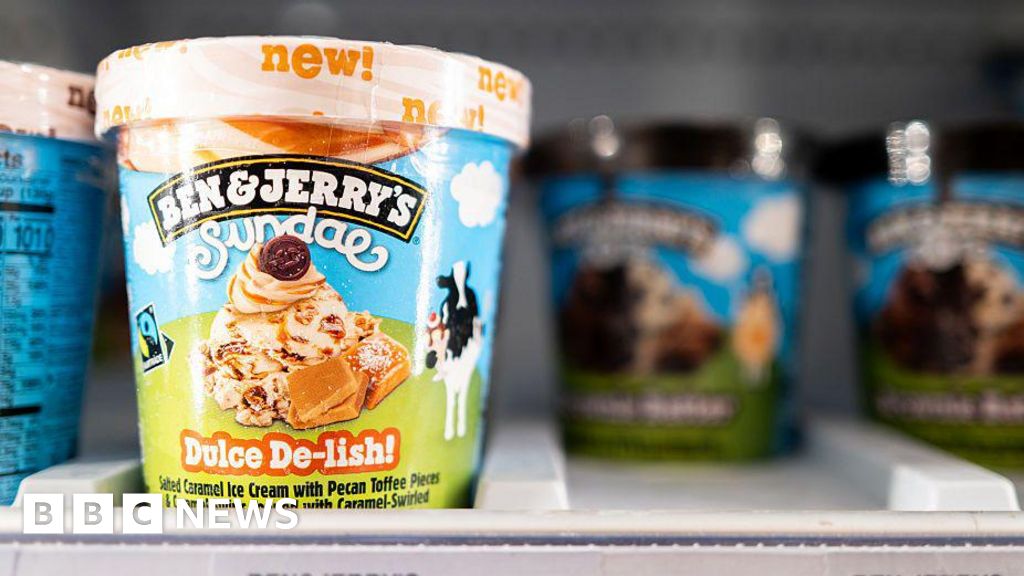
Magnum Ice Cream Company, newly created from Unilever's recent spin-off, has removed Anuradha Mittal as chair of Ben & Jerry's independent board following an external-advisor investigation and imposed a nine-year board tenure limit that forces two other directors to leave. Magnum reported an audit of the Ben & Jerry's Foundation citing material deficiencies in financial controls, governance and compliance, including conflicts of interest, while Mittal accuses the owner of threatening to publish defamatory statements and offering a paid non-profit role in exchange for her resignation. The dispute centers on board independence and Ben & Jerry’s social mission—issues that have previously triggered high-profile internal pushback—and Magnum says the governance changes are intended to preserve the brand's mission and integrity.
Market structure: Magnum’s takeover of the ice‑cream unit and the public spat immediately create brand risk for Ben & Jerry’s and reputational risk for UL (now parent of Magnum). Direct winners are competing packaged‑snack and premium ice‑cream players (e.g., MDLZ, HSY, private‑label) who can capture 1–3% incremental volume in affected channels near term; retailers could squeeze prices/promotion to shift share. Commodity/dairy markets are immaterial; expect a modest rise in UL equity and credit volatility (IV +20–40% vs. baseline) rather than a structural supply/demand shock.
Risk assessment: Tail risks include prolonged consumer boycotts, litigation from removed directors, or an adverse regulatory inquiry into governance that could force impairment charges; low probability but could cost $200–500m and widen UL IG spreads by 20–60bps. Immediate (days) risk is headline volatility and prospectus disclosures; short term (weeks–months) sees potential sales hit in politically sensitive markets; long term (quarters–years) governance fixes (nine‑year term limit) may restore stability. Hidden dependency: activist/ESG investor reactions can amplify flows into or out of ESG funds, creating second‑order selling into UL/related ETFs.
Trade implications: Tactical ideas favor relative value and volatility trades: short UL exposure vs. long resilient snack names (MDLZ/HSY). Use options to cap risk: buy 3–6 month UL put spreads (long 5% OTM, short 15% OTM) sized 1–2% portfolio to monetize headline risk while preserving capital if governance stabilizes. Credit: buy UL senior bonds or reduce hedges if IG spread widens >25bps; conversely buy CDS protection if spreads widen >50bps.
Contrarian angle: Consensus overstates permanent brand loss—histor parallels (major CPG governance spats) show >70% mean reversion within 6–12 months after governance remediation. If prospectus language is aggressive and UL’s credit spreads overreact (>30–50bps), that creates an asymmetric buy opportunity in UL bonds or a calendar spread in equity options; downside capped via put spreads. Unintended consequence: heavy shorting/PR escalation could force Magnum to settle and accelerate governance transparency, reducing long‑term risk.
AI-powered research, real-time alerts, and portfolio analytics for institutional investors.
Request DemoOverall Sentiment
moderately negative
Sentiment Score
-0.40
Ticker Sentiment
