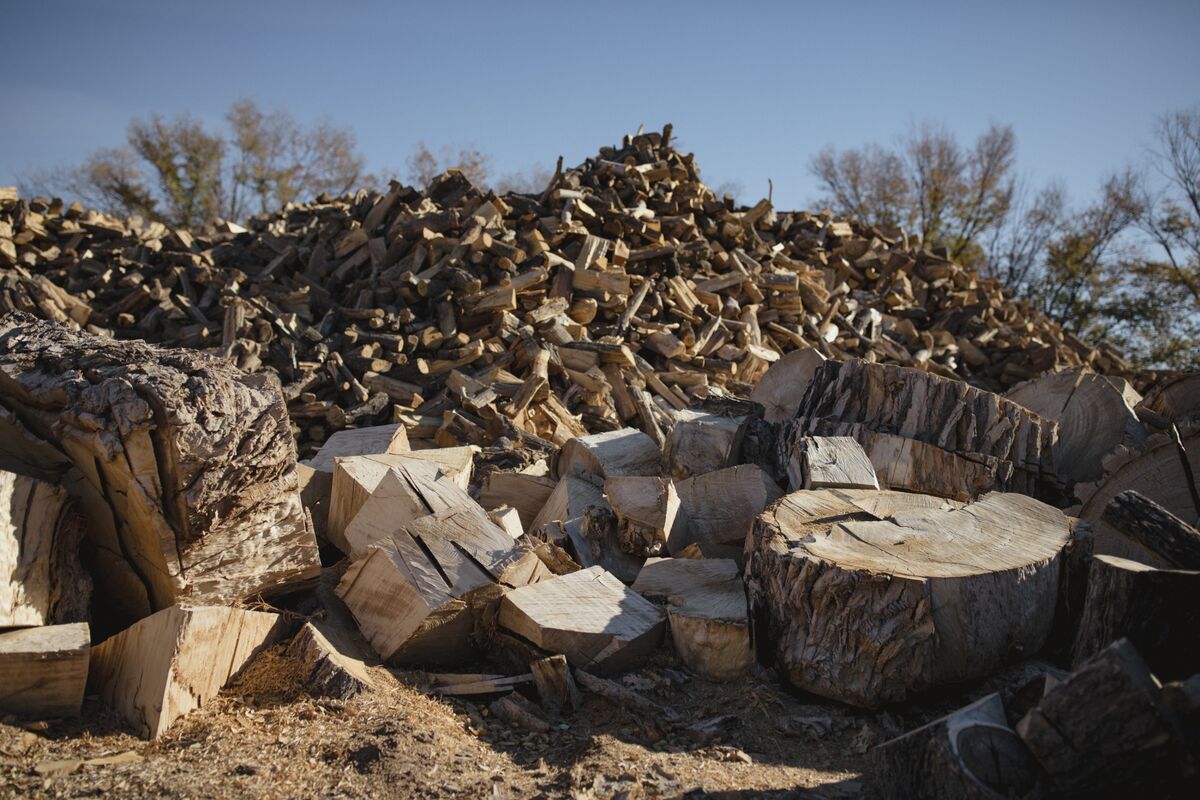
Economist Nicholas Muller's new paper, 'Firewood in the American Economy: 1700 to 2010,' addresses a significant historical data gap by compiling 300 years of firewood prices, a previously unquantified dominant energy source. This research provides crucial insights into the historical development of the U.S. economy and the long-term relationship between economic growth and energy consumption, offering a novel perspective on macro-economic trends.
A new academic paper by Carnegie Mellon economist Nicholas Muller introduces a novel, 300-year data series for firewood prices in the American economy, spanning 1700 to 2010. This research addresses a significant gap in historical economic data, as firewood was a dominant but previously unquantified energy source for a substantial portion of U.S. history. The availability of this data provides a new analytical tool for understanding the long-term relationship between energy costs, economic growth, and the development of the U.S. economy. While the article notes the research is being discussed on podcasts available via Apple and Spotify, the core takeaway is the creation of a new fundamental dataset for macroeconomic analysis. Given the historical and academic nature of this information, it carries a neutral sentiment and is assessed to have no immediate market impact.
AI-powered research, real-time alerts, and portfolio analytics for institutional investors.
Request DemoOverall Sentiment
neutral
Sentiment Score
0.00
Ticker Sentiment
