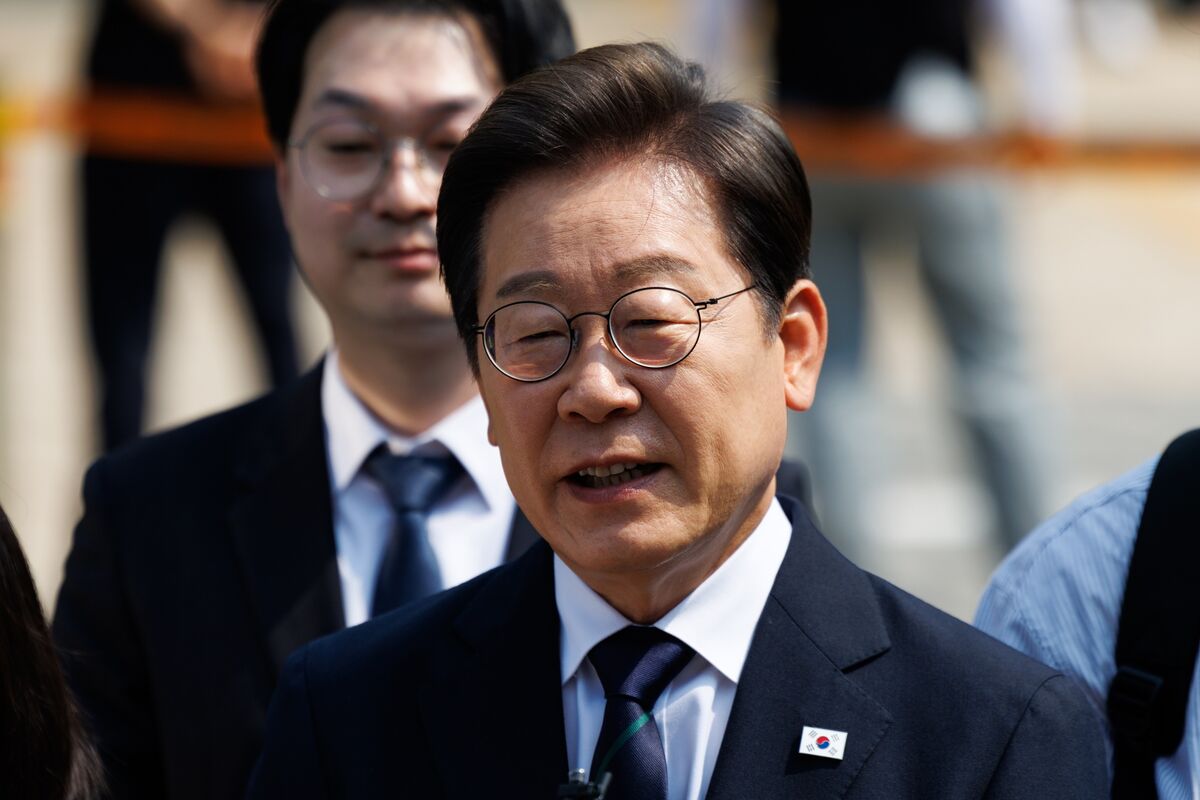
North Korea, via Kim Yo Jong, rejected dialogue overtures from South Korean President Lee Jae Myung's new administration, signaling Pyongyang's continued hardline stance. Citing Lee's 'blind trust' in the US and ongoing joint military drills, Pyongyang asserts Lee is no different from his predecessor, indicating persistent geopolitical tensions on the Korean Peninsula and limited prospects for immediate diplomatic de-escalation.
North Korea has formally rejected dialogue overtures from South Korea's new presidential administration, signaling a continuation of Pyongyang's hardline geopolitical stance. The statement, delivered by Kim Yo Jong via state media, explicitly criticizes President Lee Jae Myung's alignment with the United States and the continuation of joint military exercises, framing his administration as indistinct from its predecessor. This development dampens any expectations for a near-term diplomatic thaw on the Korean Peninsula following the recent election. The moderately negative sentiment and low-to-moderate market impact score of 0.4 suggest that while the event reinforces regional uncertainty, it does not represent a significant deviation from the market's baseline expectation of persistent tensions. The primary implication is the solidification of the status quo, limiting the potential for de-escalation and cross-border economic cooperation.
AI-powered research, real-time alerts, and portfolio analytics for institutional investors.
Request DemoOverall Sentiment
moderately negative
Sentiment Score
-0.50
