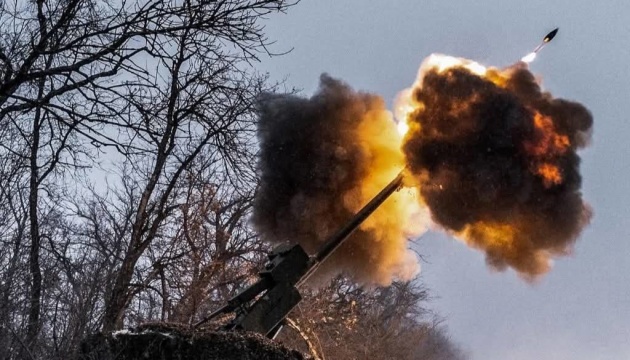
Ukrainian General Staff reported 173 frontline engagements as of 08:00 on Jan 11, with Russia conducting 56 airstrikes, dropping 156 guided aerial bombs, launching 7,050 kamikaze drones and carrying out 3,750 attacks including 82 MLRS strikes; fighting was most intense in the Pokrovsk and Huliaipole sectors where Ukrainian forces repelled numerous assaults (47 repelled in Pokrovsk, 23 in Huliaipole). Ukrainian aircraft struck three enemy troop concentration areas plus a command post and an engineering structure, signaling sustained high operational tempo and continued pressure on regional security, which supports a risk-off stance for investors with exposure to Ukrainian/neighboring assets, defense suppliers, and critical infrastructure.
Market structure: The intensity (7,050 kamikaze drones, 56 airstrikes, 3,750 attacks/day) points to sustained demand for air-defence, electronic warfare, munitions and repair services. Direct winners: large defense primes with production capacity (LMT, RTX, GD, RHM.DE) and specialty EW/drone firms; losers: European travel/airlines, regional energy infrastructure owners, Ukrainian agricultural exporters. Cross-asset signals: near-term safe-haven bid (USD +1-2%, gold +3-7%) and widening EUR credit spreads; EU gas/oil prices carry 5-15% upside tail if infrastructure is hit.
Risk assessment: Tail risks include NATO escalation or strategic strikes on energy (~<5% probability over 6 months) that would trigger >20% spikes in oil/gas and full risk-off in equities. Immediate window (days): volatility spikes and flight-to-quality; short-term (weeks–months): defense order flow and funding cycles will drive earnings revisions; long-term (quarters–years): sustained budget lifts but capped by industrial/materiel bottlenecks (munitions, ammo-grade steel, chips). Hidden dependency: munitions rely on a limited set of suppliers and rare inputs—shortages can cap upside despite demand.
Trade implications: Prefer concentrated, time‑boxed exposure to defense production rather than broad cyclicals. Implement 6–12 month directional option structures on LMT/RTX and tactical long-gold/short-EU travel positions; consider hedged exposure to EU gas prices (options) rather than outright commodity futures. Use size discipline: 1–3% portfolio per thematic trade, re-evaluate at 30/60/90-day catalysts (US/EU aid votes, major battlefield shifts).
AI-powered research, real-time alerts, and portfolio analytics for institutional investors.
Request DemoOverall Sentiment
moderately negative
Sentiment Score
-0.60
Contrarian angles: Consensus assumes linear defense upside; market may already price 6–12 months of procurement—if ceasefire or rapid replenishment of air-defence occurs within 60 days, defense names can fall >15%. Historical parallel: 2014 spike → ~30% reflation then mean reversion as budgets normalized. Unintended consequence: accelerated drone proliferation favors small niche tech suppliers (undercovered tickers) rather than large primes; look for mispricings in small-cap EW/drone vendors before they rerate.
