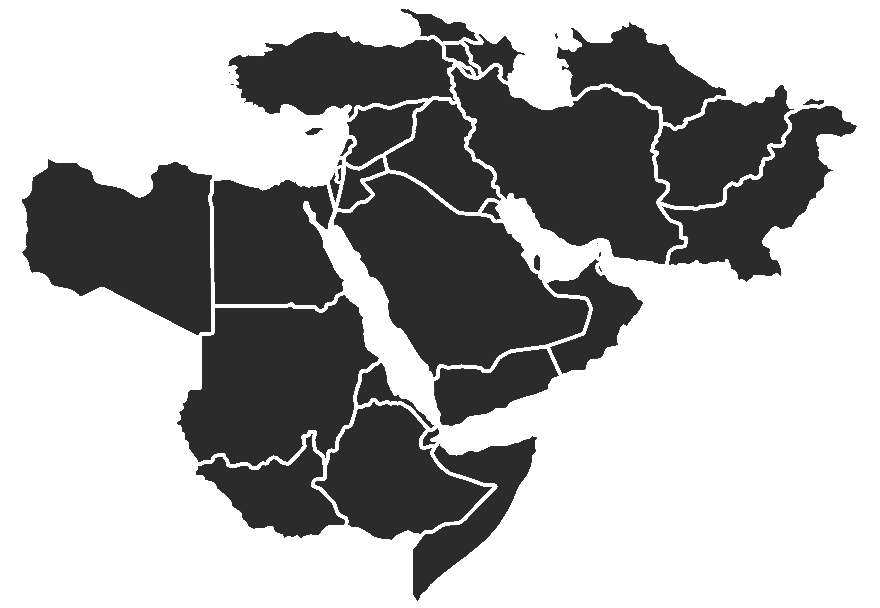
Iranian leadership warned that a US attack would trigger a regional war while Iranian officials and Gulf states signal that Tehran’s missile capabilities remain largely intact and have been rebuilt or expanded since the June 2025 conflict (a Gulf assessment and former diplomat report Iran has doubled missile production and redeployed launchers into mountainous areas). Diplomatic outreach (Qatar, Egypt) is underway to deter escalation even as Tehran reports nearly 2,986 protester deaths amid continued domestic unrest; CENTCOM/IRGC messaging on Strait of Hormuz exercises was also contradicted. Separately, Damascus and the SDF implemented a Jan. 30 agreement to cease hostilities, transfer control of infrastructure (including oil fields), form SDF brigades integrated into Syrian forces, and nominate SDF-aligned officials—developments that reduce some counter-ISIS frictions but carry political uncertainty over integration and YPJ status.
Market Structure: Geopolitical risk reinstates clear winners — large defense primes (Lockheed LMT, Northrop NOC, RTX) and energy producers/insurance writedowns tied to Gulf chokepoints — and losers in fuel‑intensive travel (airlines JETS/UAL) and regional EM assets. The Syria SDF–Damascus deal reduces some localized supply disruption risk in NE Syria but Iran’s reported missile production rebound preserves an elevated baseline risk premium for crude (estimated +$5–$15/bbl if tensions spike). Cross‑asset flows should reallocate into Treasuries and USD as risk‑off havens while equity volatility and crude/backwardation widen.
Risk Assessment: Tail risks include a US strike on Iran or a coordinated proxy campaign (probability low‑mid but impact extreme) that could lift Brent by $20–$50 and spike marine insurance/forward curves; a sustained de‑escalation is equally plausible if diplomacy (Qatar/Egypt mediation) succeeds within 4–8 weeks. Hidden dependencies: Iran’s dispersal of launchers to mountain terrain and doubled production capacity reduce the effectiveness of decapitation strikes and raise persistence of threat. Key catalysts: CENTCOM confirmations of IRGC exercises/launches, any Gulf shipping attack, or an announced US targeting window.
Trade Implications: Bias to 3–6‑month asymmetric exposure: (a) establish 2–3% long positions in LMT/NOC via 9–12 month 10–15% OTM call spreads to limit carry; (b) 1–2% tactical long crude via 3‑month Brent call spreads (buy Feb/Mar call spread) sized to 1–2% portfolio VaR; (c) hedge with 2% long TLT and/or USD position; (d) size a 1–2% short (or put spread) on airline ETF JETS if WTI/Brent > $95 for 10 consecutive trading days.
Contrarian Angles: The market may be overpricing a prolonged Gulf shutdown — Syrian stabilization could release modest Syrian oil/logistics upside and Iran’s diplomacy signals restraint; therefore prepare to fade a >8% crude rally with mean‑reversion call selling or calendar spreads within 6–12 weeks. On sharp risk‑off (>5% EM equity drawdown), opportunistically add 1% EM equity (EEM) on intraday reversals as carnage alpha, but only after volatility normalizes.
AI-powered research, real-time alerts, and portfolio analytics for institutional investors.
Request DemoOverall Sentiment
strongly negative
Sentiment Score
-0.60
Ticker Sentiment
