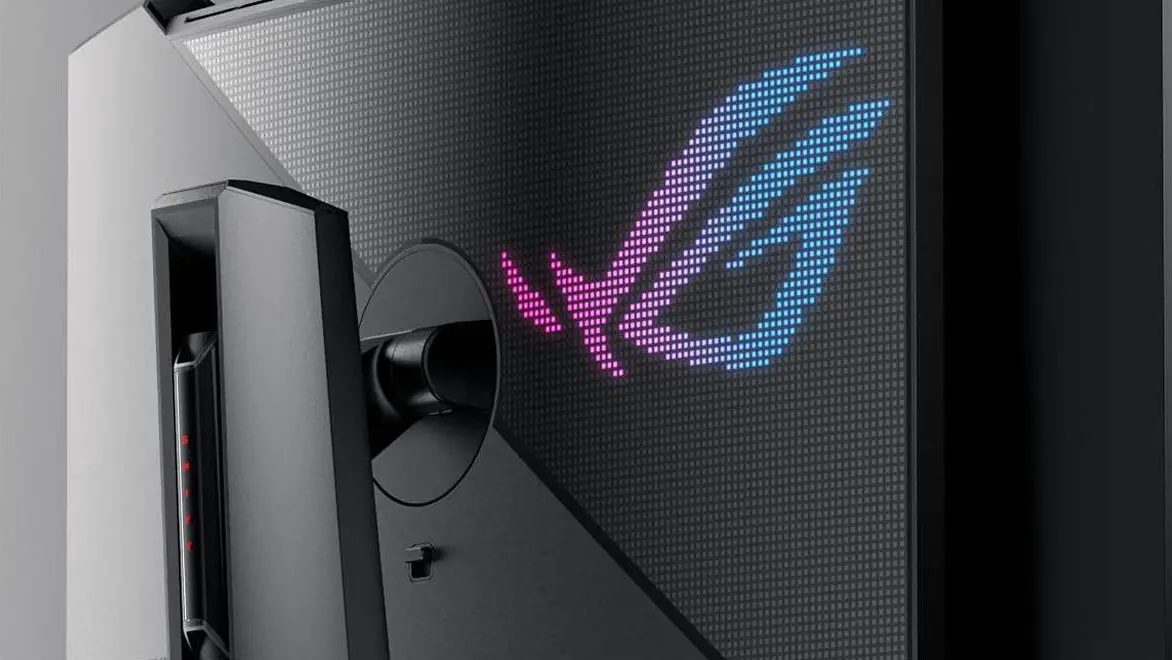
ASUS briefly leaked the ROG Swift PG32UCDM3, a 32" 4K QD-OLED gaming monitor with a 240 Hz panel and a new 'BlackShield' film that ASUS claims yields ~40% deeper blacks and 2.5x better scratch resistance. Reported specs include 1,500,000:1 contrast, 99% DCI-P3, factory Delta-E ≤2, Dolby Vision, HDR10, DisplayHDR 500 True Black, 90W USB-C PD, HDMI 2.1 and UHBR20 connectivity; the panel is presumed to be a next-gen QD-OLED with higher/stabler brightness. The unit is expected to be a premium-priced upgrade over the existing PG32UCDM (~$900–$1,000 today), suggesting modest upside to ASPs for ASUS’ high-end monitor line but limited near-term market impact given the leak/unofficial nature of the listing.
Market structure: This leak signals incremental pricing power for OEMs that can badge QD‑OLED premium features (Asus 2357.TW, SSNLF/005930.KS via Samsung Display) — expect ASPs for high‑end 32" gaming monitors to rise $200–$400 vs prior-gen, supporting gross‑margin uplift of ~2–4 percentage points for a 6–12 month window. GPU vendors (NVDA, AMD) are secondary beneficiaries as a 240Hz 4K monitor base raises demand for higher‑end GPUs and increases attach rates for GPU refresh cycles.
Risk assessment: Tail risks include panel yield or burn‑in problems, a failed BlackShield claim prompting returns/recalls, or rapid capacity increases from Samsung that force ASP declines; probability moderate but impact high on display names. Immediate effects (days): retail prelaunch hype; short term (weeks–months): pricing and channel inventory dynamics; long term (quarters+): panel capacity additions and margin normalization.
Trade implications: Direct plays: small, conviction‑weighted longs in SSNLF/005930.KS (2–3% portfolio) and ASUSTeK 2357.TW (1–2%) with 6–12 month horizons; pair trade: long SSNLF vs short 034220.KS (LGD) 1:1 to express QD‑OLED share shift. Options: buy NVDA 3‑month 10/20% OTM call spread (limit cost) to capture GPU upside tied to monitor adoption; size 1–2% notional.
Contrarian angles: Consensus overstates immediate volume — monitor unit sell‑through and CES demos; if adoption lags, panel makers risk price wars and ASP compression similar to OLED TV cycles (18–36 months to mass adoption). Use tight stops (10–15%) or buy protective puts on display longs to guard against rapid ASP erosion.
AI-powered research, real-time alerts, and portfolio analytics for institutional investors.
Request DemoOverall Sentiment
mildly positive
Sentiment Score
0.32
