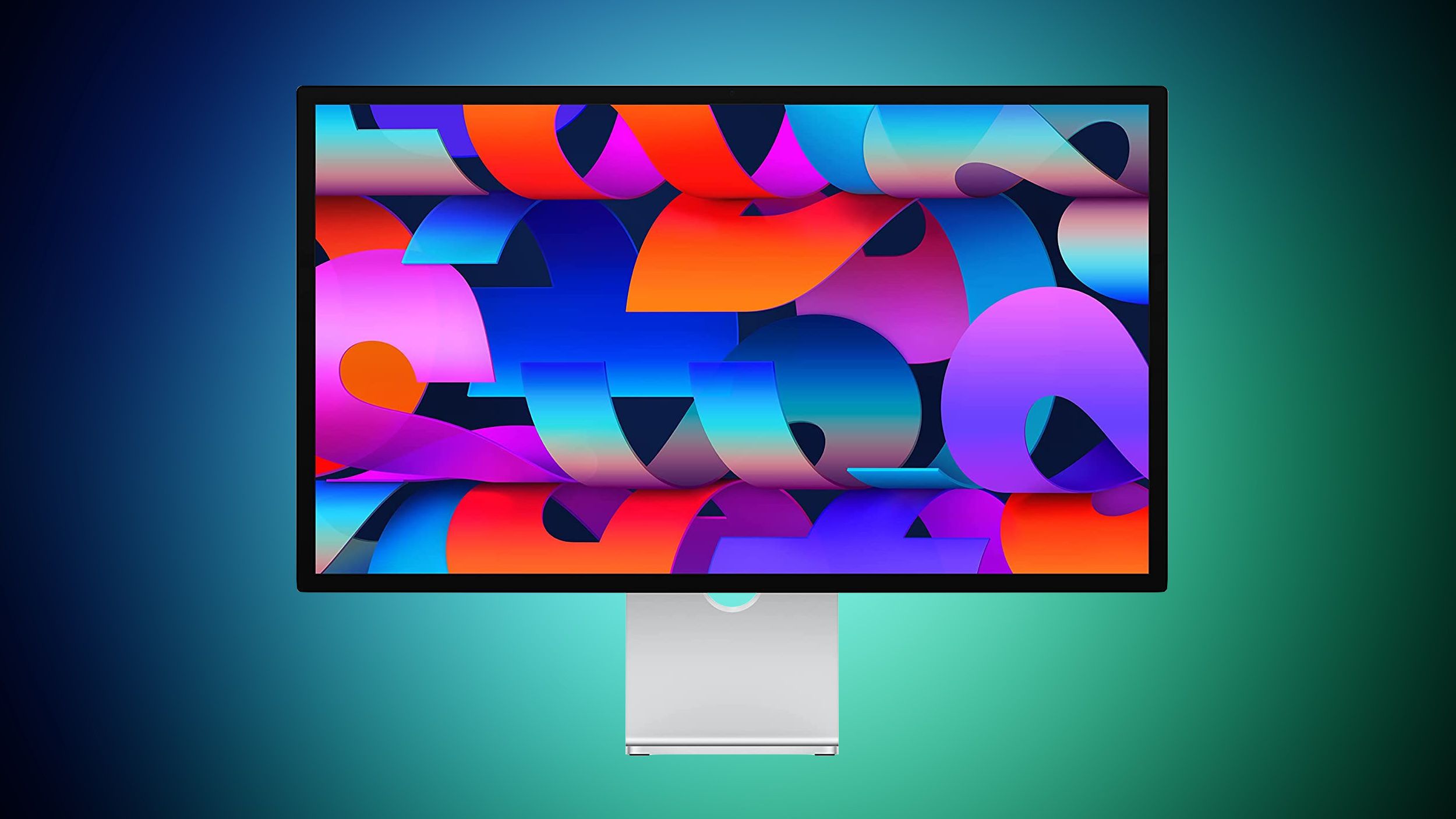
A software bug in macOS Tahoe is causing intermittent flickering on Apple Studio Displays and some external monitors, with users reporting worsening behavior after macOS Tahoe 26.1 and 26.2 updates. The issue is most often triggered by transitions to bright/white content and may require a Studio Display firmware or macOS fix rather than hardware replacement; while the problem poses a customer experience and reputational risk for Apple, it is unlikely to have material near-term financial impact.
Market structure: The Studio Display flicker is a headline risk concentrated on AAPL's hardware reputation, not a demand shock for iPhone/Mac cycle — expect contained share-price moves of ~3–5% on negative press but low probability of sustained revenue loss. Winners could be competing monitor OEMs (enterprise/display vendors) and third-party repair/firmware tool providers if deske nterprises delay Apple purchases by a quarter; losers are Apple peripherals and retailers with high Studio Display exposure. Cross-asset: expect a 1–3 point uptick in AAPL implied volatility (short-dated options) and negligible impact on U.S. rates/FX unless issue scales to a recall >$500M.
Risk assessment: Tail risk is an expensive hardware recall or class-action that pushes direct costs above $500M–$1B and dents gross margins in the next quarter; probability low (<5%) but high impact. Immediate (days): headline-driven volatility and IV spikes; short-term (weeks–months): potential warranty/repair costs and legal filings; long-term (quarters–years): reputational erosion could modestly depress premium pricing for Apple displays. Hidden dependency: macOS-wide firmware interplay — a single OS regresssion could cascade across multiple display lines, amplifying exposure; catalyst watchlist: Apple firmware/26.3 release, class-action filings, and supply-chain returns data within 14–45 days.
Trade implications: Direct play: tactical AAPL buys on headline-driven weakness but hedge with options — target a 1–2% portfolio long if AAPL gaps down >3% within 5 trading days, target +10% in 3–6 months, stop-loss -6%. Options: if IV >25% buy a 1-month put spread (buy −3% OTM, sell −6% OTM) sized to cap loss ~premium; if IV stays low, sell short-dated covered calls to monetize premium. Pair trade/rotation: overweight Services/Software exposure vs Hardware/Peripherals (reduce discretionary retail exposure by 1–2% weight) until firmware fix; consider short small-cap display/repair-exposed names on sustained negative headlines.
AI-powered research, real-time alerts, and portfolio analytics for institutional investors.
Request DemoOverall Sentiment
mildly negative
Sentiment Score
-0.25
Ticker Sentiment
Contrarian angle: The market is likely overpricing permanence — historical parallels ("antenna-gate", minor Mac bugs) show <5% immediate selloffs and strong recoveries >10% over 3–6 months once fixes ship; thus event-driven hedges are preferable to directional large shorts. Consensus misses second-order beneficiaries (calibration, firmware security vendors) who may see a 6–12 month uplift in corporate contracts. Unintended consequence: aggressive shorting before firmware confirmation risks rapid squeeze when Apple issues a simple software patch; close hedges within 7–14 days of a confirmed Apple fix.
