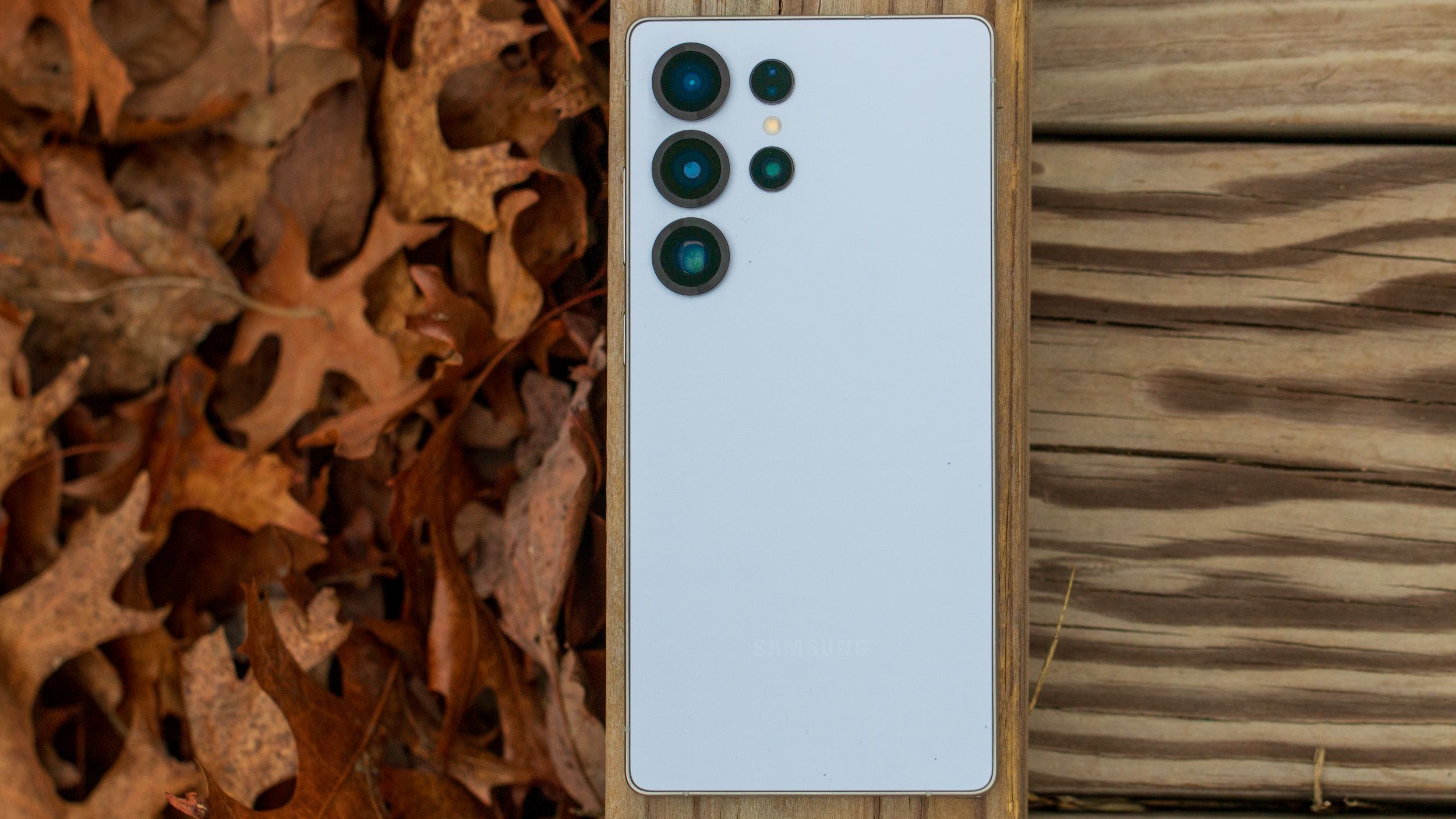
Leaked renderings of Samsung’s Galaxy S26 series show a flat 6.9-inch S26 Ultra with a raised vertical camera bar and rumored optics including a 200MP main, 50MP ultrawide, 10MP telephoto and a 50MP periscope plus a 5,000mAh battery; the S26 Plus is said to have a 6.7-inch QHD+ display, 4,900mAh battery and 50MP/12MP/10MP camera trio, while the base S26 is listed with a 6.3-inch display and 4,300mAh battery. Reports indicate U.S. units would use Qualcomm’s Snapdragon 8 Elite Gen 5 while select regions may get Samsung’s Exynos 2600, and a Galaxy Unpacked event is rumored for Feb. 25, 2026 — developments that are relevant for Samsung’s product competitiveness and regional component sourcing.
Market structure: Samsung’s S26 rumors (Snapdragon 8 Elite Gen 5 in U.S., Exynos 2600 in parts of EU) implies a near-term revenue tailwind for Qualcomm (QCOM) concentrated in U.S. handset launches around the rumored Feb 25, 2026 Unpacked event. Expect a discrete 2–6% uplift in QCOM mobile revenue visibility over the next 1–3 months if the U.S. OEM buys stick with Snapdragon; component suppliers (camera modules, memory, power ICs) see secondary demand bump. Pricing power: Qualcomm can sustain ASP leverage only if unit demand grows >3–5% year-on-year; otherwise mix pressure from lower-margin RF/modem segments could cap upside.
Risk assessment: Tail risks include Samsung committing more regions to Exynos (10–30% downside to QCOM handset chipset volumes in affected geographies), regulatory scrutiny on mobile chip exclusivity, or supply-chain hiccups (foundry constraints at TSMC). Time horizons: immediate (days) — event-driven volatility and IV spikes; short-term (weeks/months) — shipment and carrier certification updates; long-term (quarters/years) — potential structural share shifts if Exynos proves competitive. Hidden dependency: QCOM’s upside hinges on carrier device certification cycles and OEM channel inventory; a 2–4 week slip in Unpacked timing compresses the catalyst window.
Trade implications: Direct play — establish a 2–3% portfolio long in QCOM ahead of Feb 25, 2026, using a staggered approach: buy May 2026 10–15% OTM calls (target 20–40% return if event drives >5% stock move) and sell shorter-dated puts at ~5% out-of-the-money for yield if comfortable owning shares. Pair trade — go long QCOM (size A) and short Samsung Electronics ADR (SSNLF) 0.5–1% (size B) to hedge Exynos upside risk; rebalance after 30–90 days based on adoption signals. Sector rotation — overweight semiconductor equipment and foundry beneficiaries (TSMC/ASML/LRCX) by 1–2% vs benchmark if Snapdragon design wins translate to higher wafer demand; trim consumer retailers exposed to slower device sell-through.
Contrarian angles: Consensus may underprice the risk that Exynos 2600 runs in significant EU volumes; if Samsung broadens Exynos, QCOM downside could be 3–8% over 6–12 months — price this into hedges rather than outright avoidance. Conversely, the market likely underestimates short-term IV expansion around Unpacked; buying a defined-risk call spread (May 2026 10%–20% OTM) can capture asymmetric upside while capping premium spend. Historical parallel: Snapdragon-driven launches in 2020–2022 produced 4–8% one-month outperformance for QCOM; failure to replicate would signal structural share erosion and merit switching to a neutral stance within 90–180 days.
AI-powered research, real-time alerts, and portfolio analytics for institutional investors.
Request DemoOverall Sentiment
mildly positive
Sentiment Score
0.25
Ticker Sentiment
