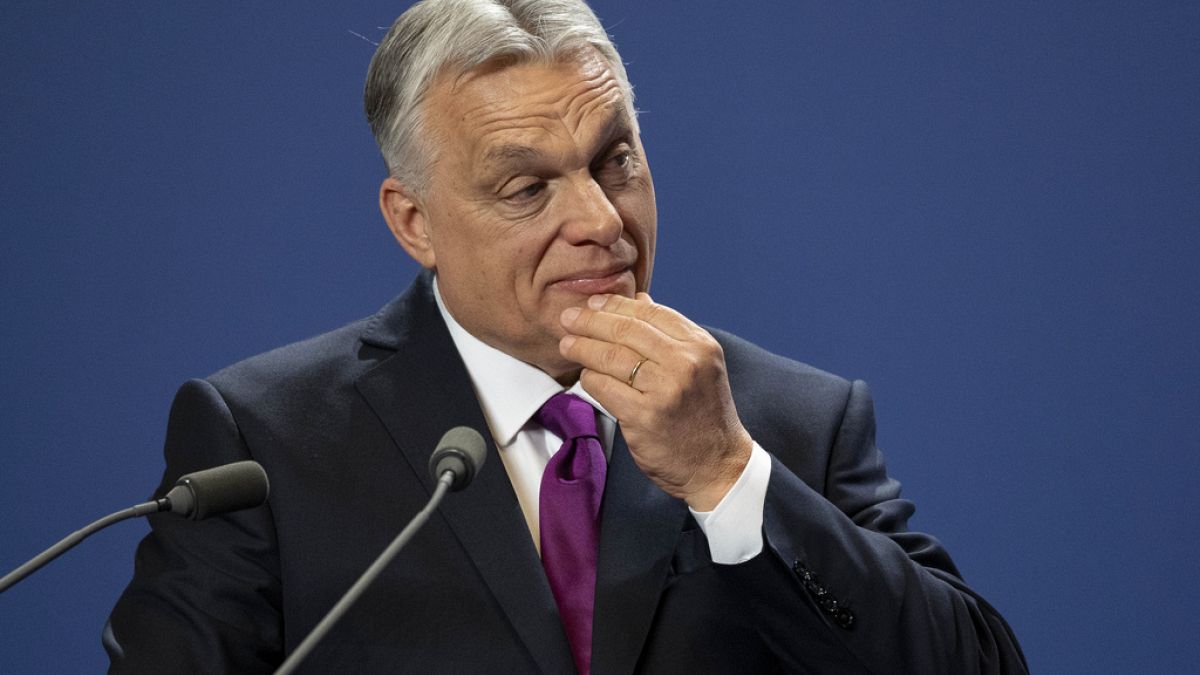
The European Commission is demanding Hungary withdraw a draft law that would allow the government to monitor and potentially defund foreign-funded NGOs and media organizations, viewing it as a breach of EU principles. The Commission has threatened legal action if the law is adopted, echoing concerns from MEPs and civil society groups who see it as a crackdown on press freedom and critical voices, with some calling for a freeze on EU funding to Hungary. Hungary defends the law as necessary to ensure transparency and prevent foreign interference in its political affairs, part of Prime Minister Orbán's broader 'Spring Clean' campaign.
The European Commission is escalating its confrontation with the Hungarian government over a proposed "Transparency of Public Life" law, tabled on May 13, which aims to restrict foreign funding for NGOs and media organizations. The Commission has explicitly stated that if adopted, this law would represent a "serious breach of EU principles and law," and has demanded its withdrawal, threatening legal action, including potential referral to the Court of Justice for interim measures. This development compounds existing tensions, evidenced by a prior referral of Hungary to the Court of Justice concerning its Sovereignty Office and calls from 26 MEPs to freeze EU funding immediately due to alleged rule of law backsliding. The Hungarian government, under Prime Minister Viktor Orbán, defends the draft bill as a necessary measure within its 'Spring Clean' campaign to ensure political transparency and counter perceived foreign interference, referencing foreign funding in past opposition campaigns. The situation has drawn significant domestic and international criticism, including protests by tens of thousands in Budapest, a letter from over 80 media organizations condemning the bill's impact on free expression, and a call from 320 civil society organizations for immediate EU intervention. EU ministers are also slated to discuss the potential use of Article 7 sanctions. The moderately negative sentiment (score -0.5) and a market impact score of 0.6 underscore the potential for increased political and economic uncertainty stemming from this dispute.
AI-powered research, real-time alerts, and portfolio analytics for institutional investors.
Overall Sentiment
moderately negative
Sentiment Score
-0.50
