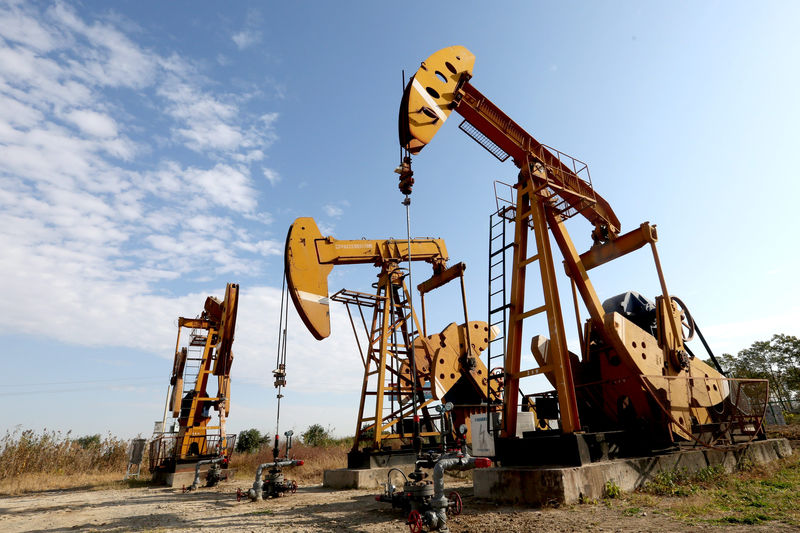
Bank of America forecasts headline CPI +0.9% month-over-month for March, driven by a 10.6% monthly surge in energy prices, while core CPI is seen at +0.3% m/m (≈3.1% annualized). BofA expects used cars +1% m/m (core goods +0.23%), core services +0.28% m/m, and core PCE +0.20% m/m (y/y ~3.1%), noting this trajectory and a tight labor market are unlikely to reassure hawkish Fed members. WTI crude has topped ~$115 as a Trump-linked Hormuz deadline and Iran war risks raise upside inflation and market volatility concerns.
A geopolitically-driven oil spike is not just a commodity shock — it re-prices the logistics and insurance layer that sits between producers and end-users. Expect immediate, persistent increases in freight and tanker insurance premia and localized refinery tightness that amplify downstream input costs for air cargo, parcel delivery and energy-intensive industrials, creating margin dispersion across sectors even if headline demand growth slows.
This shock steepens the policy tradeoff: central banks face higher near-term inflation expectations even as growth-sensitive real rates come under pressure, which tends to compress real yields and widen breakevens. That dynamic favors short-duration financial exposures that benefit from higher nominal rates but carries asymmetric credit risk if consumer real incomes erode — a three- to nine-month horizon for material credit stress is plausible if oil stays structurally elevated.
Market consensus underprices two second-order channels: (1) refining/distribution bottlenecks will push crack spreads higher and persist beyond the initial crude move because capacity to absorb incremental barrels is limited, and (2) corporate capex rotation back into energy will pull skilled labor and services away from other sectors, sustaining wage pockets and service inflation even if goods inflation cools. The most likely reversal paths are diplomatic de-escalation or a coordinated SPR/OPEC supply response — either can unwind risk premia within weeks, so position sizing and defined-risk structures are essential.
AI-powered research, real-time alerts, and portfolio analytics for institutional investors.
Overall Sentiment
mildly negative
Sentiment Score
-0.25
Ticker Sentiment
