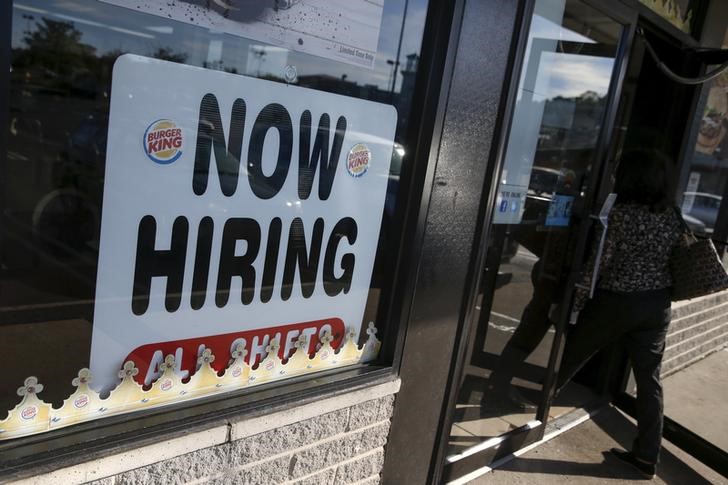
Median Bloomberg forecast calls for nonfarm payrolls +60,000 in March (reversing a -92,000 drop in February) with unemployment steady at 4.4%. Bloomberg Economics sees +80,000, and retail sales ex-auto/gas are expected +0.3% for February. Eurozone CPI is projected to jump 0.7 percentage points to 2.6%, while US manufacturing PMI is expected to show a third month of expansion — rising energy costs and disrupted supply chains are cited as inflationary tailwinds. Fed officials will weigh the modest hiring rebound against energy-driven inflation, leaving investors focused on stagflationary risk into Q2.
Market implications are bifurcating along an energy-inflation axis rather than a pure demand cycle: energy-driven CPI upside raises the odds of a longer-for-rates Fed even if headline labor-market metrics look soft. That combination favors assets that capture commodity-linked cash-flow resilience (producers, refiners) and hurts long-duration, rate-sensitive assets; expect a steeper risk premium priced into belly-to-long rates over the next 1–3 months.
A smaller but durable shift is occurring within domestic manufacturing — a three-month expansion sequence implies order momentum returning to capital goods and parts suppliers, which should translate into pockets of upward earnings revisions 2–4 quarters out. However, higher energy input costs will compress margins unevenly across industrial supply chains, making selectivity essential: favor firms with pass-through pricing or low fuel intensity.
Currency and cross-border flows are a direct, underpriced channel: a relatively higher U.S. real rate and an energy-led CPI surprise in Europe create a tactical bid for USD vs EUR and intermediate-term support for commodity-exporting FX (CAD, NOK). This will accentuate sectoral dispersion — commodity exporters and dollar-linked cashflows outperform; Eurozone cyclicals and EM with energy import bills underperform.
Finally, investor positioning is thin and skewed. A modest data-driven move (e.g., two months of upside in energy CPI or another payroll surprise) can force rapid re-pricing in front-end rates and margin-sensitive equities; liquidity windows will be short, so trades should emphasize defined-risk instruments or tight stop structures over leverage-heavy directional exposure.
AI-powered research, real-time alerts, and portfolio analytics for institutional investors.
Request DemoOverall Sentiment
neutral
Sentiment Score
0.00
